It’s 7 p.m. on a Tuesday, and Maya, a 14-month-old 38-pound Lab mix, is flat on the kitchen rug with a frozen rubber toy clamped between her paws. Her owner stuffed it the night before with kibble, plain yogurt, and a smear of peanut butter, then froze it solid for 9 hours. The plan was 30 minutes of quiet while dinner cooked. At minute 12 the licking slows, the chewing starts, and she starts trying to crack the rim off the floor to get leverage. That shift from lick to gnaw is the whole decision: do you let her work, or do you call it and trade out?
That is the trend in one clip. The freezer video promises an hour of calm for almost no effort, and from a nutrition and recovery standpoint I understand the appeal. A frozen filling may help support settled chewing behavior and slows intake compared with a bowl dumped at once, which matters for diet and for dogs that gulp. What it cannot realistically do is tire a dog out, fix separation distress, or make an unsupervised chew safe. Cold changes pace, not risk.
Will freezing really buy you calm, or just delay the chewing?
Freezing buys you a licking phase. Most dogs work a well-packed toy in two stages: first tongue work around the opening, then teeth when progress stalls. The frozen layer extends stage one from 5 minutes to 15 or 20, which is useful after a walk or training when arousal is already coming down.
I weigh what that filling can realistically do for diet, mobility, and recovery the same way I weigh a supplement. A half-cup of the dog’s regular kibble soaked in water and frozen with a tablespoon of plain canned pumpkin adds bulk and fiber without adding a second meal. A full toy of cheese, hot dogs, and peanut butter does the opposite — it adds a meal you did not account for. Use the daily ration where you can, keep rich extras to a teaspoon-level plug, and skip xylitol/birch sugar, cooked bones, and anything you would not feed in a bowl.
Stay in the same room, in sight, for the whole session. That guidance lines up with how VCA Hospitals frames destructive chewing: redirect and monitor rather than assuming the right toy makes chewing safe on its own.
Give it a contained spot.
A bath mat or crate with the door open keeps the toy from sliding under furniture, which is when most dogs escalate to frantic biting. Hard floors are fine if you stay close.
The night the freezer trick backfired in 4 minutes
The second dog I keep thinking about is a 3-year-old 18-pound French Bulldog who barely chews during the day. His owner, working late, packed a large rubber toy to the top with banana and broth and froze it overnight, then handed it over in the living room before a video call. For 3 nights it worked. On night 4 the dog skipped licking entirely, braced the toy against the couch leg, and started shearing the softened rim with his carnassials. At minute 4 a pea-sized flap of rubber lifted. The owner muted, traded for a handful of kibble scattered on a towel, and took the toy. No harm done, but the lesson stuck: past success does not predict the next session, especially when the filling is high-value enough to frustrate.
That is the tradeoff. A toy frozen too hard frustrates strong chewers into biting harder; a toy under-filled or microwaved to soften it thaws in minutes. Aim for layered density — kibble at the bottom, wet food in the middle, a light seal at the top — so the dog gets small wins instead of one concrete block. The American Kennel Club describes a similar layer-and-freeze approach for stuffed toys, and it holds up because progress keeps licking going longer.
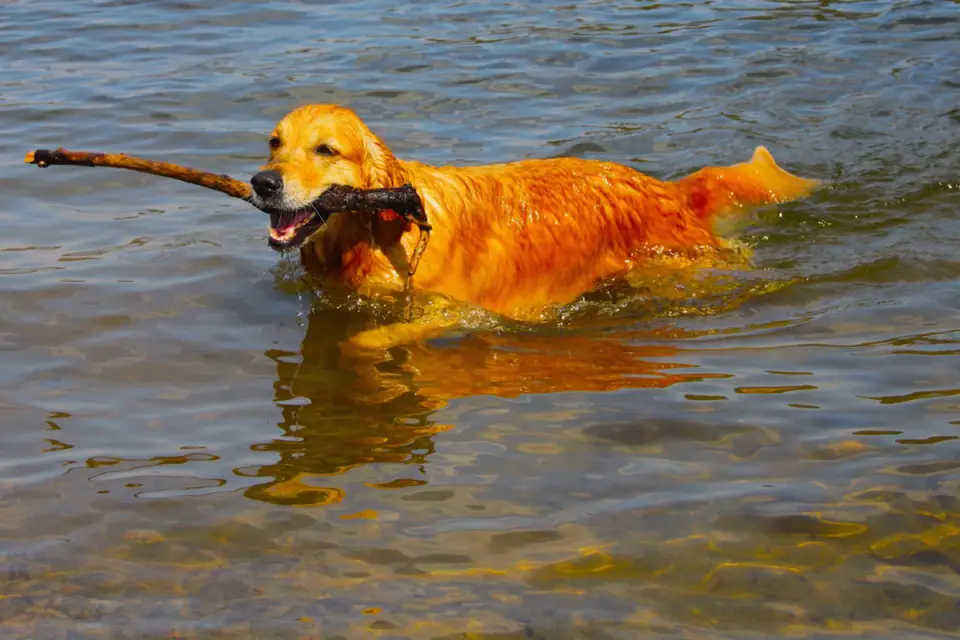
Watch mouth, paws, and breathing, not the clock alone. Normal looks like rhythmic licking, pausing, repositioning. Step in when you see hard, repetitive biting in one spot, whining while biting, pawing that turns frantic, or any piece pulling loose. Pieces, cracks, or a toy that compresses and stays dented means that toy is done for chewing.
When I let a senior bend my 20-minute rule
The third case was a 11-year-old 52-pound senior with worn canines who had stopped engaging with toys at all. Her owner worried about calories and teeth, and honestly so did I. We bent the usual advice in two ways. Instead of a deep freeze, we did a 2-hour chill with soaked kibble and low-sodium broth, no hard seal, served on a rug after a 0.4-mile slow sniff walk. She licked for 14 minutes, walked away, napped. We picked it up, rinsed, and refroze. Less time frozen meant less jaw pressure, and the short walk beforehand meant she did not need the toy to do all the settling.
That is how I adapt supervision by life stage. Puppies in the chewing window need shorter sessions and a faster trade — think 10 to 15 minutes, then up and away before overtired biting starts. If you are sorting toys by age, background on When Do Puppies Stop Teething and Need Different Toys? helps set expectations. Small and senior dogs do better with a shallow chill and softer fillings; ideas for matching activity to size in Exercise Ideas for Toy and Small Breeds: Vet-Guided Ways to Keep Little Dogs Fit and Safe carry over here. And if play with another dog is in the mix, one toy per dog with space between them avoids resource guarding — signals worth reviewing in Play Bow or Aggression? Reading Dog-to-Dog Signals.
End every session the same way. Trade, don’t pry. Offer a few pieces of kibble or a sniff scatter, say your cue, pick up the toy when the dog lifts his head. Rinse and inspect under good light. If you would not trust it for another round, toss it.
Frozen stuffed toys are worth it when you treat them like a supervised activity, not a babysitter.
Frequently asked questions
How long should a frozen stuffed toy session last?
For most adult dogs, 15 to 20 minutes in sight is plenty. Puppies, power chewers, and seniors often do better with 10 to 15 minutes, ending while the dog is still licking rather than biting hard.
Can I leave my dog alone with a frozen stuffed toy?
No. Cold slows eating but does not prevent pieces breaking off, and thawing changes the risk as the session goes on. Stay in the same room and take the toy up when you cannot watch.
What is safest to freeze inside?
Use mostly the dog's regular food — soaked kibble plus a little canned food, pumpkin, yogurt, or broth — with rich foods as a thin seal. Avoid xylitol, cooked bones, and high-fat feasts that unbalance the day's diet.
Sources
- Destructive Chewing — VCA Hospitals