When Do Puppies Stop Teething and Need Different Toys?
Most puppies stop teething by 6 to 7 months, and that's exactly when their toys need to change too.

On this page
Here’s the decision fork every new puppy owner eventually hits: the soft rope toy that used to disappear in ten minutes now barely gets a look, and instead your dog is working over the leg of a dining chair with what looks like actual intent. Is that still teething? Or is your six-month-old just… a dog now, with opinions about furniture?
The honest answer is a little of both, and the timeline matters more than most owners realize.
In my practice I see this exact question surface around week 20, almost like clockwork. A client brought in a nine-week-old Cavalier puppy, Biscuit, who’d been fine with a plush toy until suddenly he wasn’t — gums swollen along the lower jaw, drooling on the kitchen tile, refusing his kibble two mornings running. That’s classic incisor eruption, not illness, and it’s one of the more reliable “something is actually happening in there” signals I get asked about. The owners were weighing whether to switch him to a frozen washcloth or buy a harder nylon chew, worried the harder option would hurt an already tender mouth. I told them: soft and cold first, firmer texture later, and watch the calendar as much as the behavior — because the mouth changes faster than the habit does.
The actual timeline: two teething events, not one
Puppies are born toothless. Deciduous — baby — teeth start erupting around three weeks and are usually finished by six weeks, giving a puppy 28 small, needle-sharp teeth, according to Teeth, Teething and Chewing in Puppies: VCA Animal Hospitals. That’s the “puppy piranha” phase every foster and breeder warns you about.
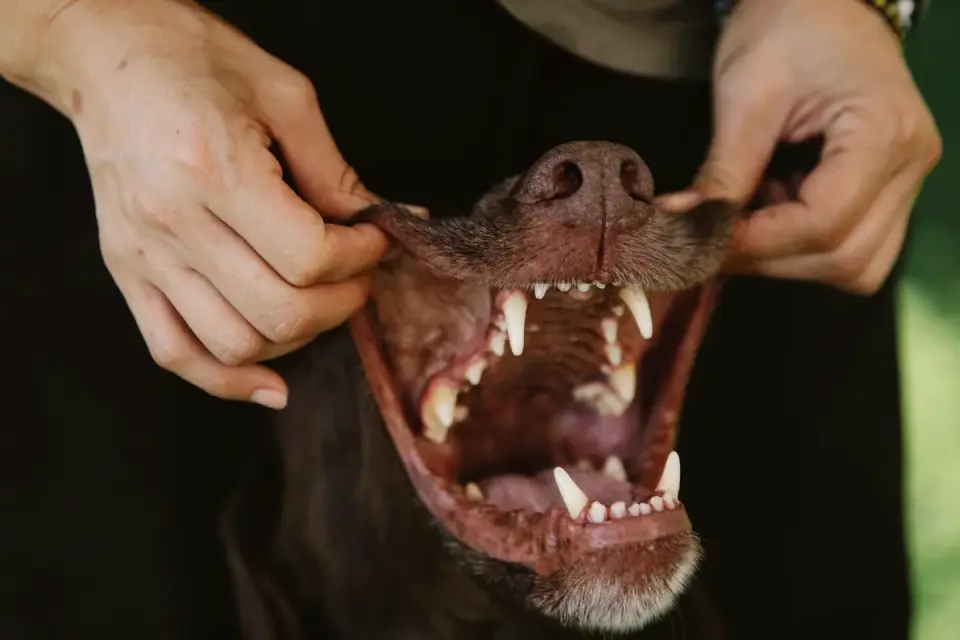
The second, more consequential wave starts around three and a half to four months, when permanent incisors begin pushing the baby incisors out. By six to seven months, most puppies have their full adult set of 42 teeth, per the Persistent Deciduous Teeth (Baby Teeth) in Dogs overview from VCA. The Merck Veterinary Manual puts the eruption-and-exfoliation process as generally complete by six months, with all permanent teeth present by seven months in most dogs — incisors around 3–5 months, canines and premolars around 4–6 months, molars trailing to 4–7 months.
That range matters practically: a toy bought for a 12-week-old’s soft, still-forming mouth is not the toy you want in the hands (well, mouth) of a seven-month-old with a full set of adult canines and a jaw that’s developed real bite force.
Why the toy has to change, mechanically
This isn’t just a marketing distinction between “puppy” and “adult” chews. Deciduous teeth have thin enamel and shallow roots designed to be shed, not stressed — an overly hard chew during that window can fracture a baby tooth or drive it into the gumline. Once the permanent teeth are in and the jaw has finished its growth spurt, the risk reverses: something soft enough to be safe for a ten-week-old’s gums won’t hold up to, or satisfy, an adult chewing pattern, and dogs will often escalate to furniture, baseboards, or shoes looking for equivalent resistance.
There’s also a nutritional thread worth pulling here, because I get asked about it constantly. Calcium and phosphorus balance during the growth window doesn’t just shape the skeleton — it’s part of the same mineralization process that hardens developing tooth structure, which is one reason large-breed puppies on unbalanced homemade diets sometimes show both orthopedic and dental irregularities on the same visit. I don’t think owners need to overhaul nutrition to solve a chewing problem, but if a puppy’s diet is unbalanced, teething behavior is rarely the only thing showing it — coat, stool consistency, and growth rate are worth the same attention. If you’re already looking at gut and diet basics for a young dog, our guide to the Best Probiotic for Dogs in 2026 covers what’s actually evidence-backed versus trend-driven in that category.
Reading the signs, not just the calendar
Drooling, reduced interest in kibble, mild irritability, and a spike in chewing intensity are the classic behavioral markers, and they cluster around the incisor and canine eruption windows described above rather than showing up as one long continuous phase. The American Kennel Club notes that puppy chewing and nipping tied to teething commonly stretches from around eight weeks out to eight or nine months in some individuals, even though the mouth itself has finished erupting by six to seven.
That gap is the part owners miss. The teeth stop coming in around six to seven months, but the chewing habit built around teething discomfort doesn’t reliably switch off the same week. A puppy that’s had four months of “my mouth hurts, chew on this” reinforcement doesn’t automatically read the memo that the eruption is finished. This is where toy selection has to do double duty — hard enough for an adult jaw, but still engaging enough to out-compete the habit that’s already formed.
One of the dogs I worked with, a nine-month-old Labrador mix named Otis, was still destroying couch cushions well past his last baby tooth. His owners assumed he was “still teething” and kept buying softer chews out of caution. The gums were fine — fully erupted, no retained teeth — but the behavior had become independent of the physical trigger. Switching to a genuinely tough rubber chew designed for adult dogs, paired with more structured exercise before the evening chewing window, resolved it inside about three weeks. The lesson wasn’t about the toy brand. It was that the behavioral habit and the physical teething process are two different timelines, and treating them as one leads owners to keep babying a mouth that’s already grown up.
What to actually check before you buy the next toy
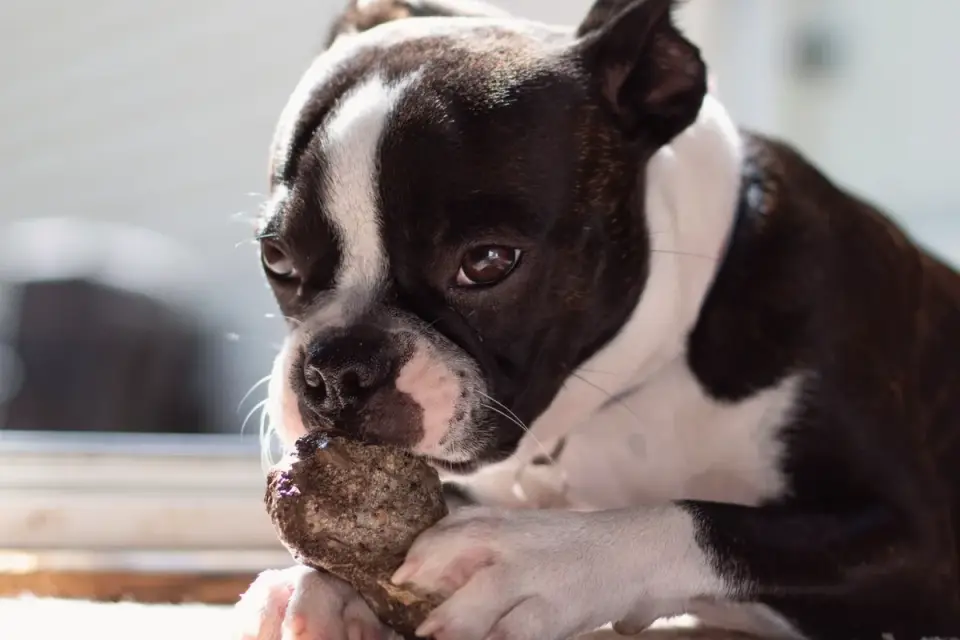
Around the four-month mark, confirm incisors are coming in evenly and there’s no visible retained baby tooth sitting alongside a new permanent one — that overlap is worth a vet check, not a toy upgrade. Around six to seven months, once the full adult set is in, that’s the practical signal to move from soft/textured puppy chews toward firmer options built for adult jaw strength, provided your dog tolerates the harder texture without gagging or reluctance. If chewing intensity spikes again after seven months with no dental cause, look at boredom, anxiety, or under-exercise before assuming it’s still teething — and if anxiety seems to be driving the chewing, our comparison of Chamomile vs L-Tryptophan for Calming Dogs is a reasonable next read. Chew treats themselves deserve a second look too, since some higher-fiber dental chews can affect stool if introduced too fast; our piece on Can You Give a Dog Too Much Fiber? walks through that tradeoff.
Where I land
I don’t think there’s a single “best” teething toy, and I’d be skeptical of anyone who tells you there is one, viral or not. What actually holds up across the evidence is simpler: match toy hardness to the stage of eruption, not the puppy’s age in isolation, because individual variation of a month or more inside these ranges is normal. Soft, cold, and low-resistance for the incisor-eruption window; progressively firmer once the adult canines and molars are established around six to seven months. If chewing behavior outlasts the teeth themselves, that’s a training and enrichment problem, not a dental one, and treating it as the latter just delays the fix.
So — has your puppy actually stopped teething, or has the habit just outlived the teeth that started it?
Frequently asked questions
At what age do puppies stop teething completely?
Most puppies finish erupting all 42 permanent teeth by around 6 to 7 months of age, though individual variation of a few weeks is normal.
Why does my puppy still chew everything after its adult teeth are in?
Teething discomfort and chewing habits don't switch off on the same schedule — the behavior can outlast the physical eruption process by weeks or months and is usually resolved with tougher toys, more exercise, and consistent redirection.
Is it safe to give a teething puppy a hard chew toy?
Not during the early incisor-eruption window, when deciduous teeth and gums are more fragile — softer, cold options are generally safer until the permanent teeth are further established.
Should I worry about a retained baby tooth?
Yes — a baby tooth still present alongside an erupted adult tooth of the same type warrants a veterinary dental check, since it can affect bite alignment if it doesn't fall out on its own.
Sources
- Teeth, Teething and Chewing in Puppies — VCA Animal Hospitals
- Persistent Deciduous Teeth (Baby Teeth) in Dogs — VCA Animal Hospitals
- Dental Development of Dogs — Merck Veterinary Manual
- How to Stop a Teething Puppy From Biting You — American Kennel Club