On this page
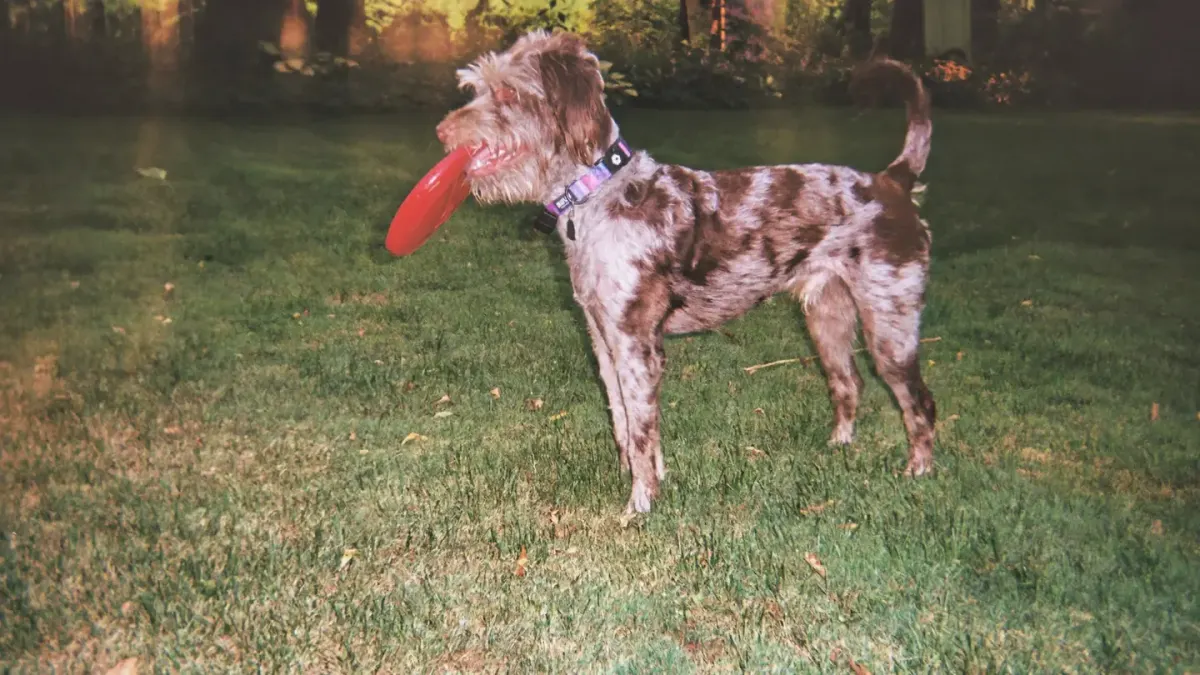
A ball-obsessed dog makes fetch feel like a contract you never signed. You throw, he returns, you throw again, and anything else you offer gets sniffed and abandoned. That loop is not disobedience. It is learning history plus predatory motor wiring: chase-grab-shake consolidated into one high-dopamine object.
A lanky shelter mix who lived for backyard fetch showed the decision owners actually face. His person could keep renting out her shoulder for endless throws down a 50-foot side yard, or she could protect that ball drive while building value for two other play systems. She chose the second path, banking the tennis ball for short training paychecks and teaching tug and scatter-feeding as separate games with their own cues, places, and rewards. Intake notes would have flagged the observable shift after two weeks: calmer drop, faster re-engagement with the new games.
Why the ball wins the brain
Chase is self-reinforcing. Movement triggers orient-eye-stalk-chase-grab, and a bouncing ball compresses that whole sequence into three seconds with a clear endpoint in the mouth. According to the Merck Veterinary Manual, normal canine social and object play develops through rehearsal, and rehearsed sequences get faster and more preferred.
Food puzzles, plush squeakers, and tug ask for different motor patterns — dissect, tug-shake, sniff-investigate — that have never paid as reliably. From a nutrition and recovery standpoint, I weigh what that narrow diet of movement does: repetitive sprint-decelerate fetch loads shoulders, carpi, and iliopsoas with little lateral movement, sniffing, or cognitive fatigue. Broadening play is joint strategy as much as enrichment.
Short answer: do not take the ball away to force variety.
The trade that backfires
A stocky apartment Lab with zero interest in anything round taught the complication. His owner tried cold-turkey fetch deprivation, hiding every ball and offering a basket of plush and rope for five coached sessions across one week. Engagement did not transfer. Arousal leaked into mouthing leashes, pacing at the old fetch corner, and grabbing socks, while the new toys still read as inert background objects. The failure was predictable: removal raised the value of the missing reinforcer without teaching the replacement behavior.
The American Veterinary Society of Animal Behavior emphasizes rewarding desired behavior rather than relying on deprivation or confrontation, and play expansion works the same way.
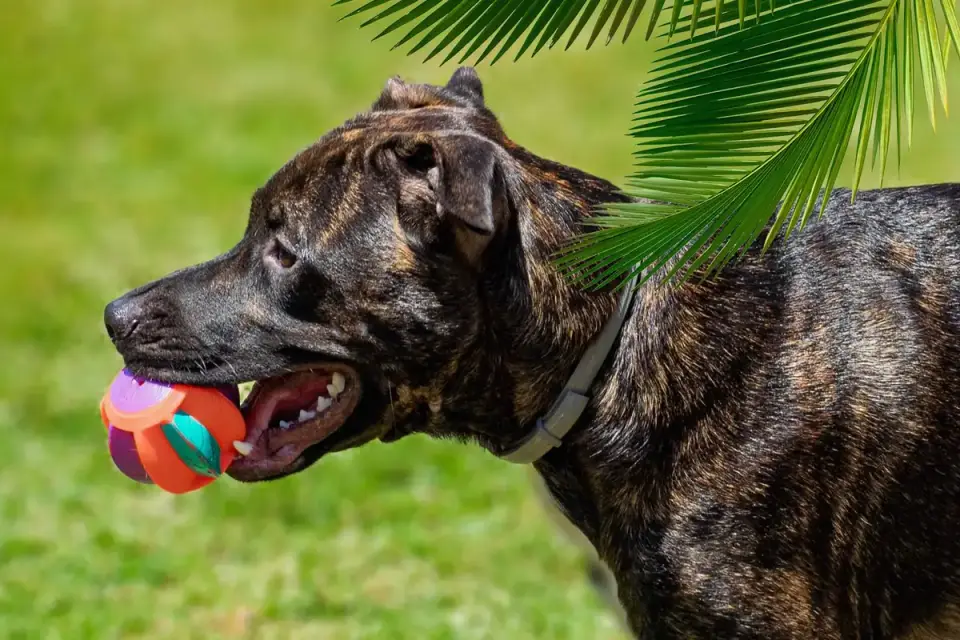
Controlling access beats eliminating access.
Build a second paycheck
Start with criteria-first training. Pick one alternate channel that fits the dog in front of you: food-scatter for sniffers, short tug bursts for grippers, shred-and-find boxes for dissectors.
Protocol that holds up:
- Bank the ball. It appears only for two to three short, cued fetch reps as a reward for engaging with the new game, then it leaves.
- Make the new game easy to win. Smear food on a rubber toy, drag a tug like prey rather than shoving it in the face, toss treats into grass instead of asking for puzzle-solving.
- Mark and pay the interaction you want: nose touch, mouth on tug, one paw step toward the mat. Keep sessions under five minutes.
- Change context. New surface, new room, new cue — “find it” versus “fetch” — so the dog does not compare the new toy to fetch in the old fetch stadium.
If you are sorting what survives heavy jaws versus what is meant for sniffing, the breakdown in How Much Should You Spend on Dog Toys? helps you match durability to chewing style before you buy more.
Tug deserves special mention because owners kill it by playing it wrong. Keep tugs low and lateral, let the dog win often, add a trained drop to a treat scatter, then restart. For reading whether that growly tug face is joy or tension, review Play Bow or Aggression? Reading Dog-to-Dog Signals.
When I bend the broaden-everything rule
A barrel-chested senior companion nearing the end of his athletic career changed the prescription. At around 72 pounds with a stiff morning gait and a history of cruciate strain, he still lit up for slow-rolling balls but faded fast on tug and tired on long sniff walks. Pushing variety for its own sake would have cost him his best remaining reinforcer for rehab and weight management.
So we narrowed, deliberately. Short uphill rolls for controlled weight shifting, food scattered in a mowed strip for low-impact sniffing, and a soft rubber toy for carrying — a self-soothing behavior — replaced sprint fetch. His ball stayed central because function outranked variety. That is the evidence test I use: broaden play when repetition creates orthopedic risk or behavioral rigidity; protect a narrow preference when it is the safest way to preserve mobility, appetite, and human connection.
Puppies get a different bend. If teething pain makes hard balls aversive, do not label the dog ball-only yet. Swap texture temporarily and revisit, using timelines from When Do Puppies Stop Teething and Need Different Toys?.
Your next step is practical: keep fetch, shrink it, and spend the saved throws on one new game for fourteen days.
Frequently asked questions
Should I stop playing fetch completely to force my dog to like other toys?
No. Removing the ball usually increases fixation and frustration without teaching a new skill. Keep short, cued fetch as a reward while separately building value for sniff, tug, or food-puzzle games in a different location.
How long does it take to broaden a ball-only dog's play?
Most dogs show early change in 1–2 weeks of short daily sessions, but durable variety takes several weeks. Track concrete signs such as faster engagement with the new toy, voluntary re-engagement, and a cleaner drop on the ball.
What if my dog just watches a new toy and walks away?
Make the first step easier and more prey-like: drag tug away low, scatter high-value food around the toy, or use movement and sniffing rather than placing the toy still. Mark and reward any nose touch, mouth, or step toward it.
Sources
- Position Statements — American Veterinary Society of Animal Behavior