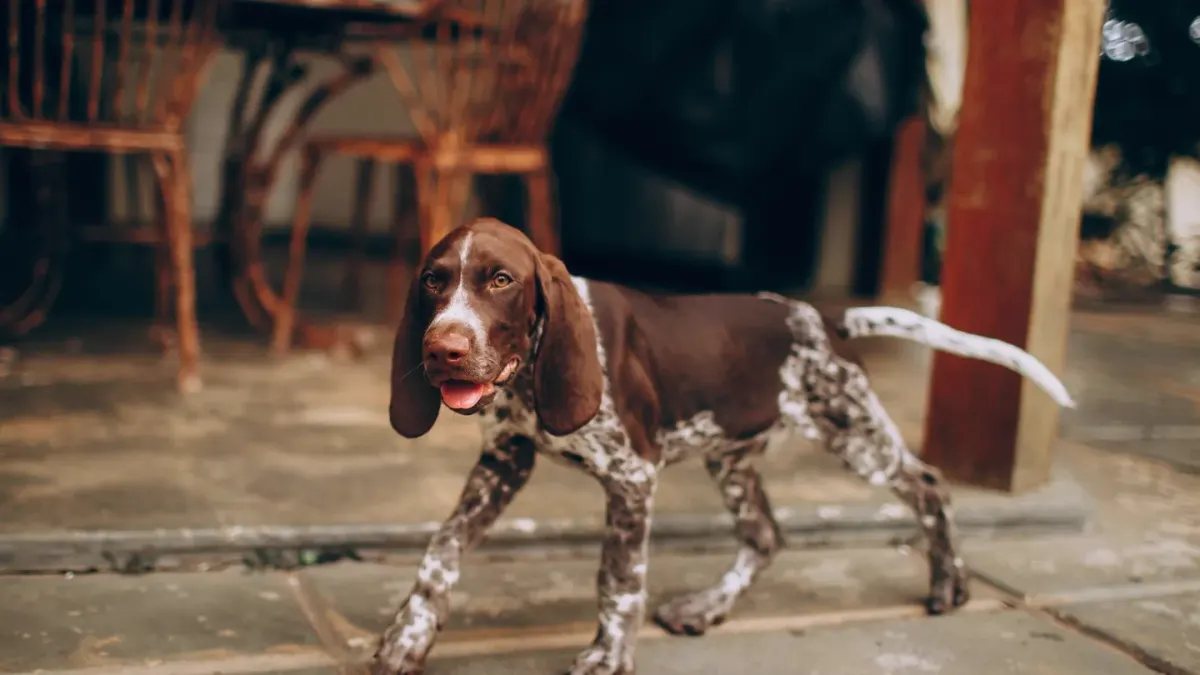
You have seen the video a hundred times this week: a dog noses a hard plastic ball across hardwood, kibble rattles out, tail wags, owner leaves for work. It looks like the perfect unsupervised babysitter. From a nutrition and rehab standpoint, I do not buy a treat-dispensing ball as safe alone time for most dogs.
The short answer is supervision is the safety device. A rolling dispenser couples three risks at once — airway obstruction from the ball or a large treat chunk, gastrointestinal foreign body if pieces shear off, and a diet shift if a full meal dispenses in 20 minutes. I would change my mind if we had controlled data showing size-graded, laboratory-tested dispensers do not fracture or lodge under alone-time chewing loads. We do not.
A 3-year-old, 42-pound mixed-breed dog in an apartment is the classic decision fork: owner wants to drop a half-cup of kibble into a 3-inch screw-together ball before an 8-hour shift to slow eating and ease boredom. The dog is a moderate chewer, no prior obstruction, healthy weight. Leave the loaded ball and go, or feed from a bowl and save puzzles for evenings together? For this dog, the unsupervised ball adds choking and overeating risk with no one home to notice pawing at the mouth, drooling, or retching. The safer fork is bowl-feed now, puzzle later with you watching.
So why does alone make the same toy riskier?
Mechanics first. Supervised play lets you interrupt the escalation from licking and nosing to gripping and chewing. Alone, a frustrated dog rehearses the gripping part for hours. Jaw force concentrates on seams, treat ports, and soft thermoplastic walls, which deform, crack, and shed fragments. The American Veterinary Medical Association advises choosing toys sized to prevent swallowing and removing toys with pieces breaking off — exactly what happens when a dispenser becomes a chew toy.
Size mismatch drives most emergencies. A ball small enough to pick up can become small enough to wedge behind the canines or slip toward the pharynx, especially for broad-skulled chewers. Ventilation holes and treat ports can create suction or trap a lower jaw. The Merck Veterinary Manual describes how ingested toy fragments and large food boluses can lodge in stomach or intestine, causing vomiting, anorexia, and lethargy that need imaging or surgery. No one sees the early gag-and-pace when the house is empty.
Then there is nutrition. To ground an integrative claim in the nutritional evidence: enrichment feeding may help support slower intake, foraging behavior, and weight management as part of a balanced daily ration, not as extra calories. The U.S. Food and Drug Administration reminds owners that treats and table food should fit within the pet’s overall diet, and daily calories still count. A ball loaded with cheese puffs, peanut butter, and jerky can deliver half a day’s energy in one frustrated session, loosening stools and unbalancing a food therapy plan for mobility and recovery.
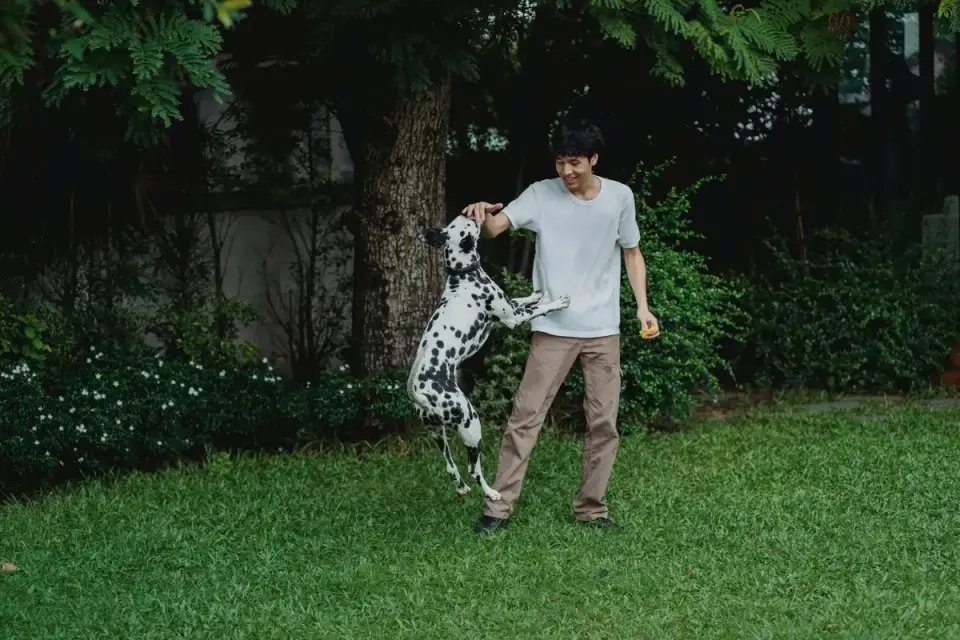
A 5-month-old teething puppy shows the tradeoff I see on repeat. She got a hand-me-down dispenser with a 1-inch treat port for two weeks of crate time, and by night 9 she had gnawed the rim paper-thin and swallowed two pea-sized plastic curls. Owner found vomit with pink streaks in the morning and a ball cracked along the seam. We stopped all hard unsupervised puzzles, switched daytime calories back to a bowl split into two meals, and saved a soft frozen lick for supervised evenings. The failure was not the puppy. It was asking a teething jaw to self-regulate alone.
Which dogs should never get one solo?
Power chewers, puppies under 6 months, flat-faced breeds, dogs with prior obstruction or gulping, and any dog that guards food. If your dog tries to carry the whole ball, bites and holds instead of bats and chases, or has broken a toy before, do not leave a dispenser. Senior dogs with worn teeth or sore mouths are the other no — hard rolling and biting can fracture a canine or bruise gums.
If you want to compare destruction patterns before you buy anything new, read How Much Should You Spend on Dog Toys? and When Do Puppies Stop Teething and Need Different Toys?. Match the toy to the jaw, not the video.
Alone-time safety is about what is left, not what is promised.
What if you really need busy-while-away enrichment?
This is where I bend the usual never-leave rule. A 9-year-old, 18-pound senior dog with early separation whining does worse with total deprivation over a 4-hour grocery and school-pickup loop. For that dog, I will allow a large, one-piece, manufacturer-rated dispenser used only after three clean supervised trials with zero chewing, loaded with no more than 10% of daily calories as her own kibble, on camera, with the ball retired at the first tooth mark.
Do it like a trial, not a habit. Supervise three 15-minute sessions. Watch for carrying, jaw wedging, frantic chewing, or resource guarding. Size up so the ball cannot fit fully in the mouth. Use regular food, not high-fat treats, and subtract it from meals — How to Use a Training Treat Pouch Effectively is a useful model for counting those calories. Inspect seams and ports every time. If the dog solves it by chewing, the experiment is over.
Safer alone options are boring on camera. A puppy-proofed room, white noise, a frozen broth bowl you have tested supervised, or a snuffle mat for a gentle noser beat a hard ball for most solo hours. Save rolling puzzles for when you are home to watch the first 30 minutes.
Check labels, count the kibble as food, and retire anything cracked. That is what actually protects diet, mobility, and recovery.
Frequently asked questions
Can I leave a treat-dispensing ball with my dog while at work?
For most dogs, no. Unsupervised chewing raises choking and intestinal blockage risk, and a loaded ball can add uncounted calories. Use puzzles only when you can supervise and inspect the toy after.
What makes a dispenser safer if I stay to watch?
One-piece construction, correct large size for the mouth, intact seams, small portions of the dog's regular food counted in the daily ration, and immediate removal if the dog starts gripping or chewing instead of nosing.
What can I leave instead for alone-time enrichment?
A proofed room, calm routine, and low-risk feeding enrichment you have already tested supervised. Avoid hard balls, small pieces, and high-fat fillings when no one is home.
Sources
- Selecting Safe Toys for Your Pet — American Veterinary Medical Association