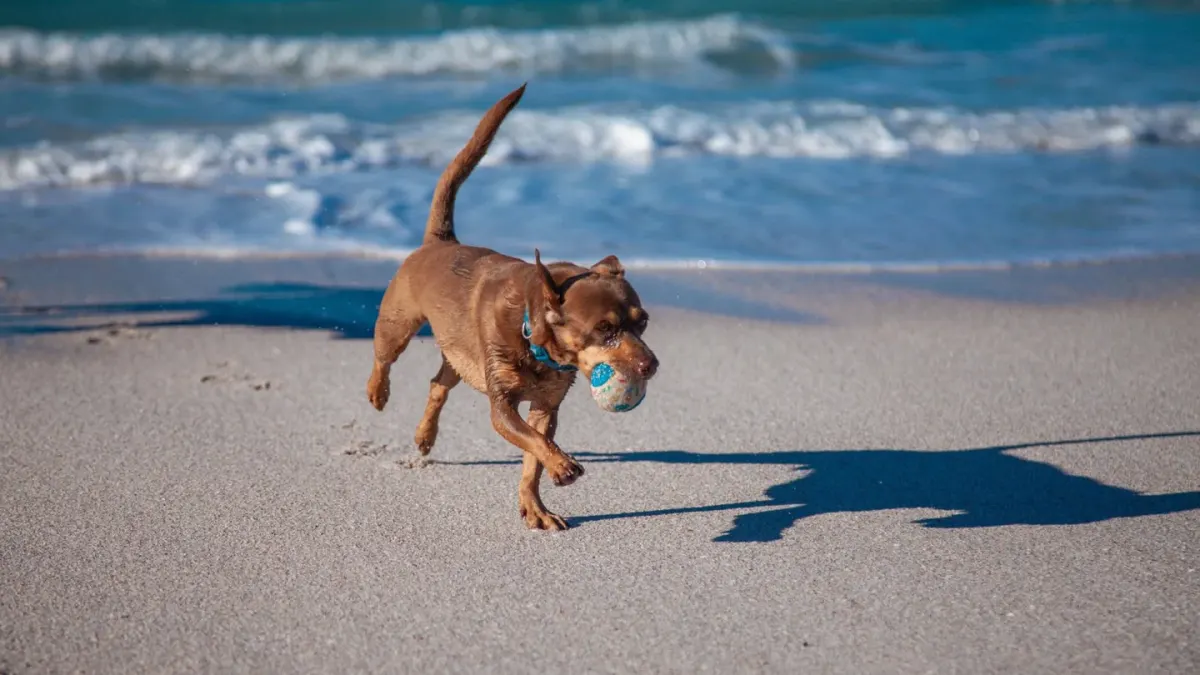
You can hear the life stage before you see it. A 14-week-old Labrador mix is in the kitchen, working a rubber teething ring with that frantic, side-of-the-mouth chew, and by day three the edges look frayed. You’re wondering if that’s normal, if you should size up, and if the plush squeaker your neighbor gave you is actually safe to leave down. That’s the real decision fork here: do you keep buying for the dog you brought home, or do you start buying for the mouth, body, and brain in front of you right now?
Puppies aren’t destructive to spite you. Between about 3 and 7 months they’re losing deciduous teeth and erupting up to 42 adult teeth, a process that makes soft gums sore and chewing deeply self-soothing. This is when I want you to prioritize soft-but-structured rubber, appropriately sized teething toys, and short food-puzzle sessions over hard nylon bones or compressed rawhide that can crack a new tooth or become a swallowing risk. The AVMA reminds owners to match toy size and durability to chewing strength and to supervise, and that advice matters most in these early weeks when jaw strength changes almost weekly.
For texture, think give. If you can press your thumbnail into it and leave a dent, it’s usually forgiving enough for puppy gums. Freeze a water-soaked rubber toy for 20 minutes for extra relief, rotate two or three options so novelty stays high, and retire anything with torn seams or loose squeakers. If you’re still in the thick of chewing, our guide on When Do Puppies Stop Teething and Need Different Toys? walks through that timeline tooth by tooth.
Buy for the adult athlete, not the puppy memory
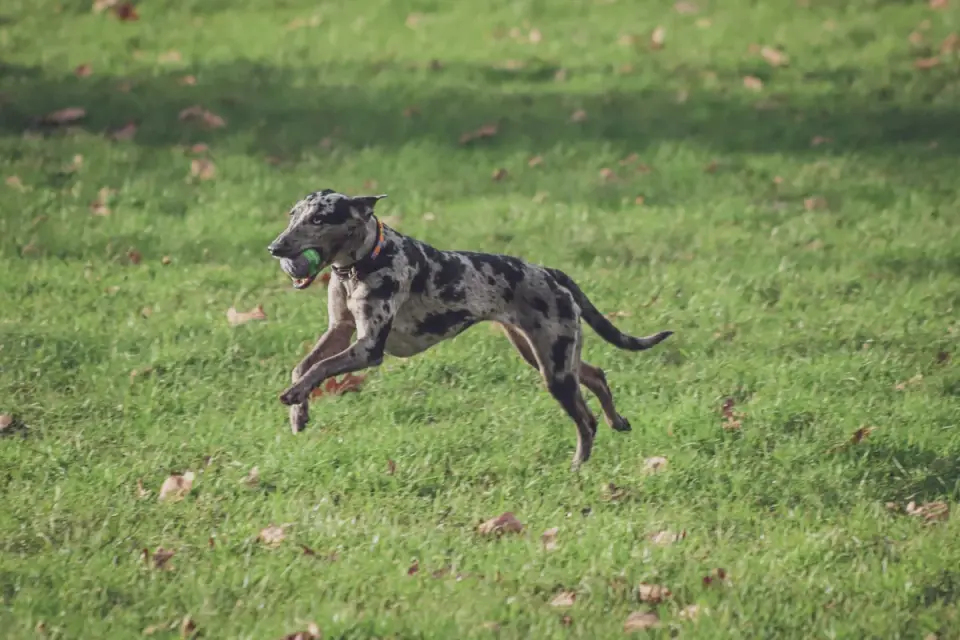
Around 10 months, a 52-pound adolescent pit mix I’m picturing has stopped teething and started launching. She now covers 400 yards in three evening fetch sprints at the park, hits the frisbee hard, and has shredded two plush toys in a single weekend. Her owner loved the cute puppy toys and kept reordering them, but the failure pattern was predictable: seams built for nibbling can’t handle a mature jaw plus full-speed arousal.
This is the tradeoff owners miss.
Adult dogs, roughly 1 to 7 years depending on breed and size, need durability matched to chewing style, plus an outlet for chase, tug, and problem-solving. Power chewers do better with solid rubber, rope for supervised tug only, and balls sized so they can’t be compressed behind the canines. Avoid hard, unyielding toys marketed as indestructible if your dog is a true crusher — veterinary dentists see slab fractures from exactly that mismatch, as outlined in the Merck Veterinary Manual. And don’t let fetch become mindless marathoning. Two 10-minute structured sessions with built-in drops and sniff breaks protect shoulders and elbows better than one 40-minute nonstop chase.
That’s also where budget thinking helps. Instead of asking what’s cheapest, ask what fails safely. Our breakdown in How Much Should You Spend on Dog Toys? makes that math practical without pushing you toward any one brand.
The senior shift is about joints and nose, not just softness
At 11 years old, a 68-pound senior Lab starts leaving his old fetch ball in the grass. He’ll still trot 6 minutes to greet you, but then he lies down, licks at his right carpus, and chooses the snuffle mat over tug for four nights in a row. His owner worried he’d lost interest in play. He hadn’t. He’d lost tolerance for impact, jumping, and hard mouthing.
I see this bend in the usual advice all the time with large-breed seniors and little dogs with dental disease: the answer isn’t no toys, it’s lower, softer, and smellier.
Swap high-bounce balls for low-roll foam or plush balls on grass, move tug to gentle, level games that don’t torque the neck, and lean hard into nosework, lick mats, and easy puzzles. Shorter, more frequent wins keep an older brain engaged without asking sore joints to do athlete work. The VCA Hospitals senior care guidance emphasizes low-impact exercise, weight control, and comfort modifications with age, and toys should follow the same logic.
From a nutrition and recovery standpoint, this is where I get ingredient-literate with owners. Toys can’t fix cartilage. What they can do is keep a stiff dog moving voluntarily, which supports muscle, circulation, and healthy weight — and those three do more for mobility than any single chew. When owners ask about joint ingredients like glucosamine, chondroitin, or omega-3s from fish oil to complement that movement, I ground the expectation in the nutritional evidence: these may help support normal joint structure and everyday comfort as part of diet and veterinary care, not rebuild a joint on their own. The National Institutes of Health review of glucosamine and chondroitin is a sober place to calibrate that hope.
If you share your home with a little older dog that tires fast, borrow ideas from Exercise Ideas for Toy and Small Breeds: Vet-Guided Ways to Keep Little Dogs Fit and Safe and shrink the field of play to rugs, ramps, and hallway scent games.
What I’d actually keep in the bin at each age
Puppy: two freezable rubbers, one snuggle plush for supervised comfort only, one beginner puzzle. Adult: one durable fetch toy fitted to mouth size, one tug toy you control, one puzzle you can make harder. Senior: one soft mouth toy, one lick or snuffle activity, one low-rolling ball for grass only.
Retire toys on condition, not on schedule. Frayed rope, cracked rubber, exposed stuffing, or a ball that now fits entirely behind the canines goes in the trash.
Your next practical step: pull everything onto the floor tonight, sort by give, size, and impact, and keep only what fits the dog you have this month.
Frequently asked questions
When should I switch from puppy toys to adult toys?
Most dogs finish teething around 6 to 7 months, but switch based on jaw strength and chewing style rather than age alone. Move up when puppy rubber shows heavy wear or your dog crushes toys that used to last.
Are hard nylon bones safe for aggressive chewers?
Not always. Very hard toys can crack teeth in power chewers. Choose a toy with slight give, supervise chewing, and remove the toy once pieces loosen or sharp edges form.
My senior dog ignores toys — should I stop offering them?
Keep offering, but change the job. Try low-impact nose games, lick mats, and soft toys on carpet, and ask your veterinarian about pain, dental disease, or vision changes if disinterest is sudden.
Sources
- Selecting Safe Toys for Pets — AVMA
- Senior Dog Care — VCA Hospitals
- Glucosamine and Chondroitin for Osteoarthritis — National Institutes of Health