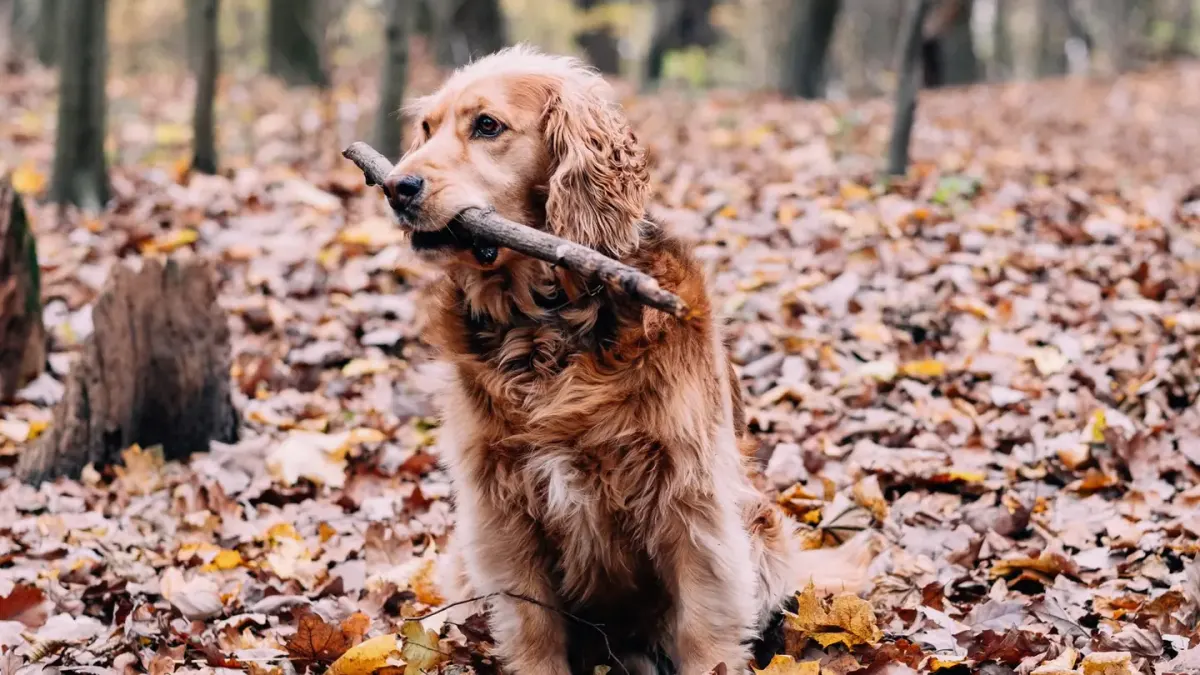
On this page
Your dog isn’t spoiled for ignoring that new squeaker — he’s habituated, and that’s normal brain wiring doing its job.
A lanky adolescent cattle-dog mix in a one-bedroom apartment made the call obvious. Night one she pounced, shook, and squeaked a new plush fox for a solid 20 minutes while her owner filmed it for friends. By night three — barely 36 hours of actual access later — she sniffed it for under two minutes, then carried a kitchen towel to the couch instead. The owner worried she’d picked the wrong toy. What changed wasn’t quality, it was context: no human in the game, no new smell or food payoff, same toss across the same hallway. The decision wasn’t toss it, it was shelve it and reintroduce it with you attached.
Keep it, shelve it, or play different?
Start with this fork: if the toy is intact and safe, shelve it. If it’s ripped, deflated, or your dog guards it hard, remove it. Almost everything else is a play problem, not a shopping problem.
The American Kennel Club frames toys as tools for chase, chew, comfort, and problem-solving, not decorations — and most dogs only stay interested when at least one of those jobs stays active. A toy sitting on the floor does none of them.
You are the toy’s battery.
Check the quick safety pass first, the way guidance from the American Veterinary Medical Association encourages for enrichment: no loose squeakers, no long string, no sharp edges, and size-appropriate for the mouth in front of you. If it passes, put it in a closet for 5 to 7 days. Absence rebuilds a little novelty.
Why day-three boredom is biology, not attitude
Dogs habituate fast to a static object. Same squeak, same hallway toss, same solo play — the brain files it as background. That’s especially true for plush and squeakers, which are exciting for 1 to 2 sessions and then need you to stay exciting.
A stocky 4-year-old beagle in a suburban rental showed why more shopping backfires. After the plush fox flopped, his owner bought six more in nine days — crinkle, rope, squeak, repeat — and left all seven scattered across the living-room rug for constant access. Play dropped from short bursts to zero, and by the fifth evening he stepped over the pile to nose the trash can instead. Constant availability killed novelty, and none of the toys required him to problem-solve or chase with a person. The tradeoff was clear: the house looked enriched, but the dog’s brain got nothing new to do.
If you’re debating budget here, this is where owners overspend — see How Much Should You Spend on Dog Toys? before you reorder. Rotation beats volume.
Try a two-week rotation in practice: keep 3 to 4 toys out, box the rest, and swap one or two every few days. Pair each comeback with a new rule — you drag it, you hide it, you stuff it — so the dog meets a slightly different game, not the same old object.
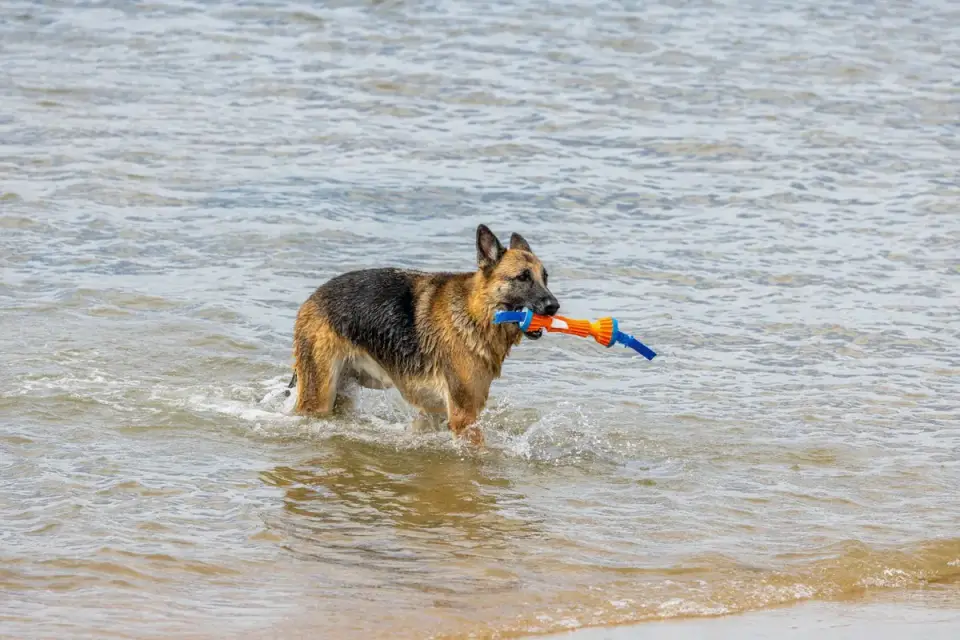
Make the old toy pay again
This is where I get decisive as a nutritionist: don’t add more food to the day, reassign part of the day’s ration to play. From a nutritional-evidence view, a puzzle or snuffle toy may help support daily enrichment and healthy activity when you measure out a tablespoon or two of regular kibble into it instead of free-feeding extra treats, which keeps diet balanced while giving the brain a food payoff to work for.
Teething puppies are the exception on texture — if chewing drive is oral pain, not boredom, match the toy to sore gums first in When Do Puppies Stop Teething and Need Different Toys?.
Three revivers work for most adult dogs:
- Add chase. Drag a rope or plush along the ground in big arcs for 3 minutes, then let them catch and parade it. Stop while they still want more.
- Add nose. Hide the toy under a blanket or behind a door and cue find it. Sniffing tires dogs faster than fetching.
- Add food. Stuff a hollow toy with part of dinner, freeze it 2 hours, and offer it only in the crate or on a mat.
Keep sessions short and social — 5 to 10 minutes, once or twice a day, then put that special toy away. Scarcity plus you equals value.
When losing interest isn’t about the toy
A 38-pound, 11-year-old lab mix with stiff hips and worn canines forced a bend in the usual rotate-and-toughen-up advice. Standard tips said put the toy away for a week and bring it back for fetch, but she wouldn’t chase down 15 feet of hallway without sitting to rest, and hard rubber hurt her mouth. Her owner stopped trying to rebuild drive for chase and switched the same plush into a low, sniff-based game, tucking a pinch of dinner kibble inside a loose fold for three slow searches a night. She ate, sniffed, and carried it to her bed. Same toy, completely different job.
Bend the rule when age, pain, fear, or a new home changes the picture. Senior dogs often need softer, lower, sniffier games. New rescues may need decompression before play — the timeline in What Is the 3-3-3 Rule for Rescue Dogs? A Vet-Informed Timeline is a useful check. And if disinterest comes with pacing, whining, drooling, destruction at exits, or refusal to eat when alone, read Boredom vs Separation Anxiety: How to Tell the Difference — that’s not a toy problem.
I know the skeptical question here: isn’t this just tricking my dog into liking a dud? No. You’re matching how dogs actually learn — novelty plus social play plus food consequence sustains behavior, solo repetition extinguishes it. No supplement or super-toy overrides that, and diet, mobility, and recovery all do better with short interactive play built on meals you were already feeding.
Shelve it for a week, bring it back with you in the game, and let scarcity do the marketing.
Frequently asked questions
Why did my dog get bored of a new toy after one day?
Fast habituation is normal — the same object, same toss, and no human or food payoff stops being interesting. Shelve it for 5 to 7 days, then reintroduce it in a short interactive game with chase, hiding, or part of dinner inside.
Should I leave all toys out or rotate them?
Rotate. Keep 3 to 4 out and swap one or two every few days. Constant access kills novelty, while brief, social sessions keep the same toys valuable.
When should I worry that toy boredom is something else?
If your dog also paces, vocalizes, drools, destroys near doors, won't eat alone, limps, drops food, or avoids chewing, consider anxiety, pain, or dental issues and talk to your veterinarian rather than buying more toys.
Sources
- American Kennel Club — American Kennel Club
- American Veterinary Medical Association — American Veterinary Medical Association