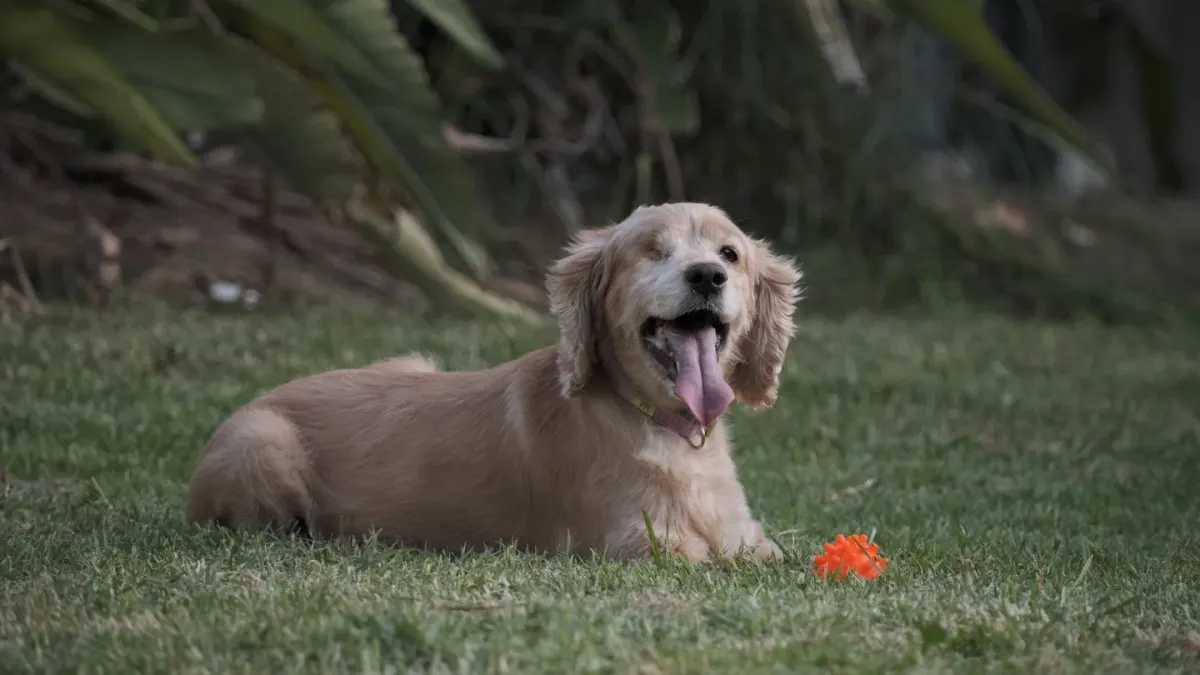
The sound is all over my feed right now — snuffling, crinkling, paws scrabbling through fabric strips while a caption promises this $20 mat will save your yard. The hashtag swears your digger just needs a job. As a nutrition and sports-medicine vet, I want that to be true, and mostly it can be, if you buy for the behavior underneath, not the video.
A shelter-adopted terrier mix with mud caked to her wrists made the choice concrete for her family. After breakfast in the backyard she worked the fence line daily, leaving deep craters with loose soil flung three feet behind her, then came inside wired and whining at the back door while ignoring a plush squirrel burrow. The owners debated another cute burrow toy versus a real outlet. They fed half her morning kibble in a low-pile snuffle mat and framed a sand pit along the fence where digging earned a reward. She kept the fence line untouched for six straight nights, the first calm stretch since adoption.
Digging is foraging software, not disobedience
Digging is part of the normal canine predatory and foraging sequence — sniff, paw, excavate, investigate — plus denning, cooling, and stress relief. Terriers and Dachshunds were selected for earth work, northern breeds dig cool resting pits, and anxious adolescents often dig at barrier lines. VCA Hospitals notes boredom, prey cues, comfort-seeking, and escape attempts as common drivers, which matches what I see in rehab: under-exercised dogs with strong forelimbs and no legal outlet.
That physiology matters for toy choice. A digger needs resistance under the paws, nose work that slows intake, and a clear place where the sequence is allowed to finish. A toy that only squeaks or only hides one treat does not complete that loop.
The nutritional piece is underrated here. Scatter feeding part of a balanced daily ration through fabric or sand may help support satiety and slower eating as part of whole-patient enrichment, grounded in the nutritional evidence for foraging over bowl-feeding. I am not claiming a mat fixes diet, mobility, or recovery — I am weighing what feeding enrichment can realistically do: add sniff time, reduce gulping, and make the legal dig pay in kibble.
A lanky adolescent Beagle in a second-floor apartment showed where the viral advice breaks. His owners bought a high-pile plush snuffle mat with glued felt flowers, hoping to tire him before work. He treated it like prey, braced it with both forepaws, and ripped a seam and swallowed a felt petal in 11 minutes while pacing and vocalizing afterward. The mat did not fail because snuffling is useless. It failed because pile height, attachment strength, and unsupervised use were wrong for a determined paw-shredder with no prior settle training.
Snuffle, dig box, or burrow toy — compare the work, not the views
Snuffle mats work best for indoor nose work when they are low-pile, machine-washable, and backed with non-slip rubber. Use them for part of a meal, not extra treats, and supervise. Dig boxes — a shallow storage tote, kiddie pool, or framed sand pit with buried kibble or rubber toys — work best for dogs who want full-body paw action and soil displacement. Burrow toys with small plush prey inside work best for gentle nosers who like to pull and carry, not for power diggers.
Safety decides between them. The American Veterinary Medical Association advises choosing toys sized to the dog, supervising play, and removing toys with loose parts, squeakers, or torn fabric that could be ingested. That rules out high-pile mats with glued pieces for shredders, sand with fertilizer or sharp gravel, and any dig pit near treated lumber or escape fencing.
I would not publish a ranked best-of list here because jaw strength and supervision matter more than brand. If you want help budgeting across durability levels, see How Much Should You Spend on Dog Toys? and for mouth-stage fit, When Do Puppies Stop Teething and Need Different Toys?.
No single toy out-digs instinct. The dogs that improve get a legal place to dig every day.
When the yard still wins and the mat has to sit out
The ASPCA recommends shade, shelter, alternative cooling, and positive redirection to an approved digging spot rather than punishment, especially for escape-driven digging. That is exactly where I bend the usual snuffle-first advice: for barrier frustration, intact prey drive at dusk, or resource guarding around food toys, I pause food-hidden fabric and build the outdoor pit first.
A stiff-backed 9-year-old Dachshund who sunbathes on concrete showed that bend clearly. She had no interest in pawing deep fabric and guarded a treat-loaded mat, stiffening and hovering after two finds. Her owners moved breakfast scatter to a shaded 15-foot patio run with a low sand box, a rubber toy buried shallow, and a cooling mat nearby for rest breaks. She nosed, pawed twice, lay down to chew, and left the mat alone without tension, settling on the cool surface after the game ended.
My take is direct: prioritize washable snuffle feeding plus a legal dig pit, reject unsupervised plush burrows for power diggers. What would change my mind is controlled data showing plush burrow play alone reduces yard digging frequency or duration versus foraging enrichment with the same calories — right now that evidence does not exist, and the behavioral mechanism points the other way.
Frequently asked questions
Will a snuffle mat stop my dog from digging in the yard?
Alone, rarely. Use it as indoor nose work fed from meals, paired with a legal outdoor dig spot, daily exercise, and supervision at fence lines.
What should a safe dig box contain?
A shallow frame or tote with clean play sand or topsoil free of fertilizer, buried kibble or sturdy rubber toys, shade, water nearby, and no treated wood or sharp gravel.
When should I take a digging toy away?
Remove any toy with torn fabric, loose parts, exposed squeakers, or pieces your dog tries to swallow, and supervise all snuffle and burrow play.
Sources
- Selecting Safe Toys for Your Pets — American Veterinary Medical Association