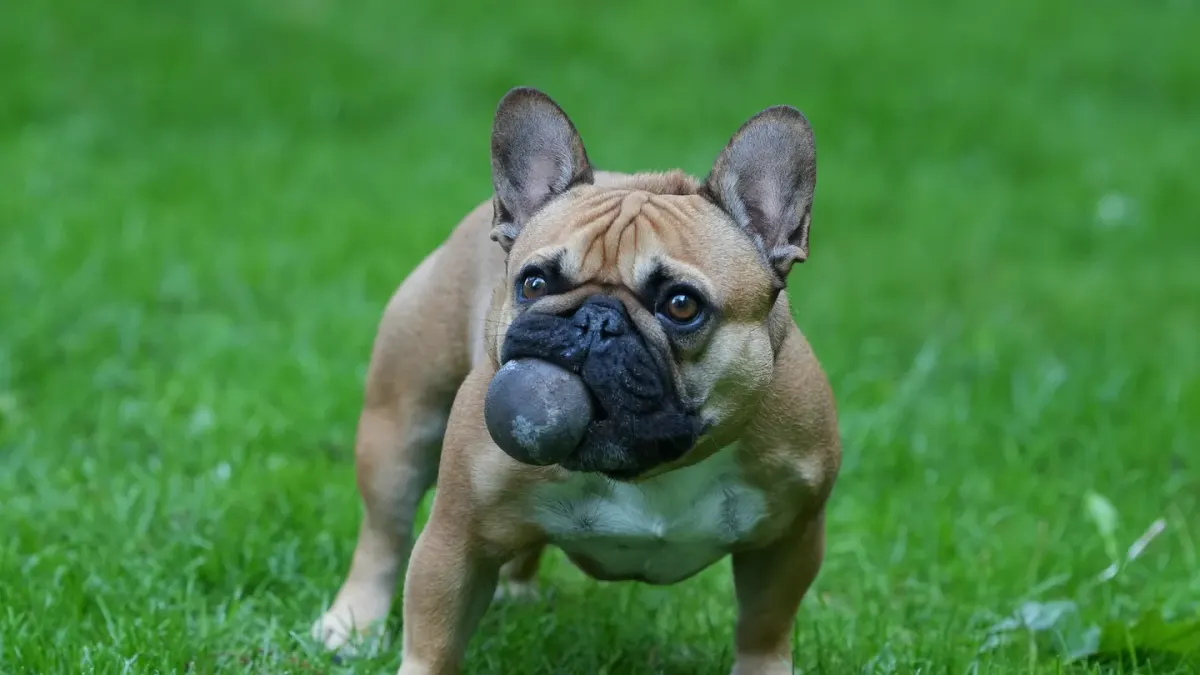
Maya almost left it on the kitchen floor. Her 3-year-old, 68-pound Lab mix, Bruno, had been quiet with a split elk antler for 20 minutes, and she needed to run to pick up her kid from practice. The chew looked solid, barely dented, the kind of TikTok-approved “natural” enrichment that promises hours of calm. That quiet is exactly the decision fork: leave the hard chew and hope quiet means safe, or treat quiet as the highest-risk moment and put it away.
I land on put it away, every time. As a nutritionist working at the intersection of diet, mobility, and recovery, I weigh what a supplement or chew can realistically do against what it can cost. Antler and water buffalo horn may help support normal chewing behavior and jaw activity, yet their mineral density makes them unforgiving on teeth and gut when no one is watching.
Bruno’s story is a composite I hear often — a strong adult chewer, home alone for 35 minutes, a chew that started bigger than his muzzle. In that setup the observable change owners miss is subtle: chewing shifts from licking and gnawing to hard, repetitive chomping on one corner. That shift is when slab fractures of upper premolars happen, and a dog alone cannot tell you he just cracked a tooth.
The hardness problem no hashtag mentions
Antler is essentially bone mineral, horn is dense keratin over a core, and both rank far above what tooth enamel tolerates. The U.S. Food and Drug Administration warns that hard bones and bone-like chews can break teeth, cause mouth injuries, and lead to blockages or choking, which is why supervision is non-negotiable rather than optional.
That guidance tracks with dental practice. The American Veterinary Medical Association emphasizes regular dental evaluation because fractured teeth and periodontal pain often go unnoticed until chewing changes, drooling starts, or appetite drops. With antler, damage rarely looks dramatic in the moment.
In my lane, food therapy and rehab depend on a dog being able to eat comfortably and move without oral pain. A fractured carnassial in an active dog does not support recovery; it interrupts eating, training, and conditioning for weeks.
A second pattern shows the tradeoff clearly. A 10-month-old, 24-pound terrier mix — enthusiastic, still in that late-chew phase owners ask about in When Do Puppies Stop Teething and Need Different Toys? — was given a small whole horn while his owner took back-to-back work calls. Over 4 evenings he made almost no visible progress, so it seemed durable. On night five he wedged the tapered tip behind his canines and panicked, pawing and gagging until the owner intervened. The failure was not durability. It was shape plus persistence with no hands to help.
What unsupervised risk actually looks like
Break the risk into three buckets:
Tooth fracture from sustained pressure on a hard edge, especially in power chewers and dogs that anchor a chew with their paws.
Choking or esophageal obstruction from a piece that splinters, flakes, or wears small enough to swallow whole.
Gut irritation or blockage from swallowed shards, which horn in particular can produce as it delaminates.
VCA Animal Hospitals notes that dental disease and tooth injury cause pain, infection risk, and reluctance to eat — outcomes that matter more than any enrichment benefit from an unsupervised session.

No chew passes the thumbnail test for alone-time: if you cannot dent it with a fingernail, assume a determined dog cannot safely problem-solve it alone.
The one exception that still needs a gate
There is a situation where my usual remove-it advice bends, and it still does not mean free access. A 9-year-old, 41-pound senior Beagle with worn canines and a history of gulping needed daytime enrichment while her owner worked 6-hour shifts. Instead of leaving antler, the owner left a frozen lick mat and a rubber puzzle, then offered a large split antler for 15-minute supervised sessions 3 nights per week, removing it at the first hard bite.
That separation works. Unsupervised time gets soft, passable, size-appropriate enrichment. Hard animal-origin chews become a contact sport — owner present, chew larger than the mouth, time-boxed, inspected after.
If you want that structure, borrow the budgeting logic from How Much Should You Spend on Dog Toys? and spend less on the antler itself and more on a safer alone-time setup.
My bottom line: enjoy antler or horn together, then pick it up like a medication.
Sources
- Pet Dental Care — American Veterinary Medical Association
- Dental Disease in Dogs — VCA Animal Hospitals