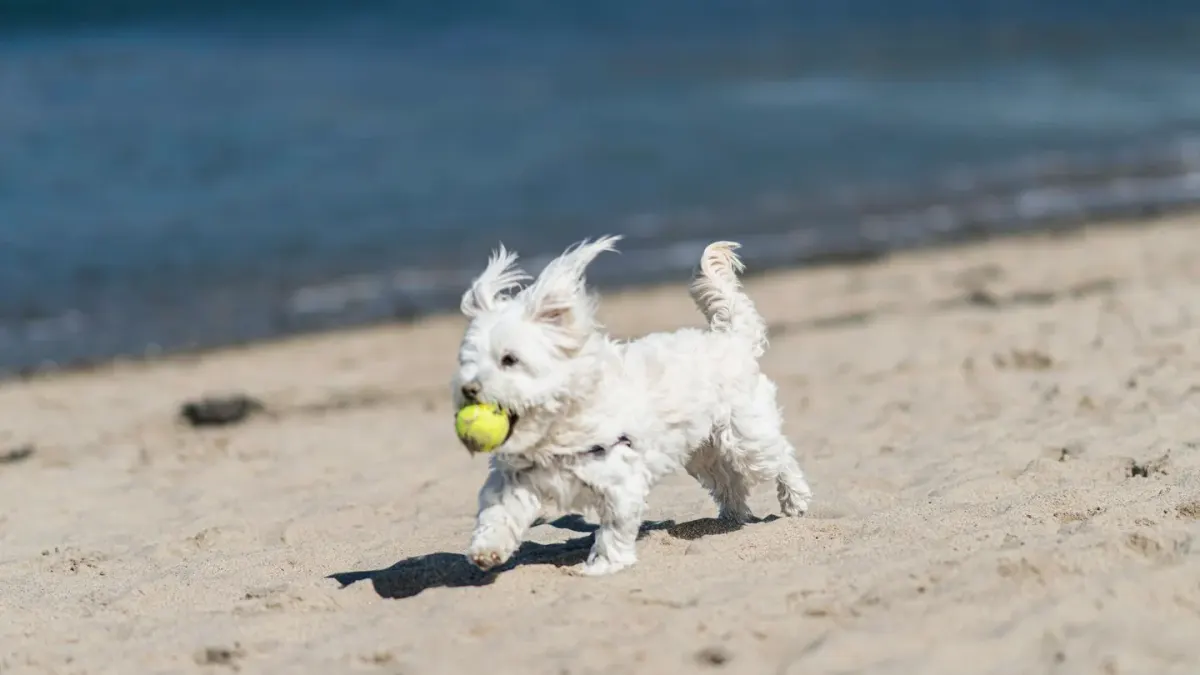
You have seen the slow-mo tennis-ball chomp on your feed, then the comment section arguing about whether that flat, brown tooth tip is normal for an old dog. Here is the decision fork I use: keep playing with softer toys and monitor, or call the vet now because pulp may be exposed.
A 12-year-old chocolate Labrador in a suburban living room made that fork real for me last fall. His owner worried he was dropping his rubber ball on the rug after 10 minutes and chewing only on the left side. Under a kitchen light, his lower canines showed paired 2-mm flat facets with a dark brown dot in the center, and his upper incisors looked shortened to gum nubs. That dot, not the flatness itself, pushed us from watch to exam within 7 days, because exposed dentin and pulp change the toy plan entirely.
That viral ball-mouth is not just cosmetic
Wear is loss of tooth structure from use, and senior mouths show it because enamel does not regrow. Attrition is tooth-on-tooth grinding. Abrasion is tooth-on-tennis-ball, crate bars, or nylon bone. The mechanism matters for toys: enamel is hard but thin, dentin underneath is softer and yellower, and pulp in the center carries nerve and blood supply. Once wear passes through enamel into dentin, the tooth wears faster and sensitivity rises.
That is why I weigh what a supplement can realistically do for diet, mobility, and recovery here with clear limits. Balanced nutrition and joint support may help support an older dog’s ability to chew comfortably and stay active, but no food therapy or supplement rebuilds enamel or seals an exposed pulp. Grounding that integrative claim in nutritional evidence keeps us honest: feed the whole patient well, protect the teeth mechanically.
The overview from VCA Hospitals frames why daily chewing comfort in older dogs reflects more than tartar, including wear, fracture, and gum disease acting together.
How I check a gray-muzzle mouth in 3 minutes
Do this weekly in daylight, not after hard play when gums bleed more easily. Let your dog lick peanut butter off a spoon while you lift lips. You are not diagnosing, you are triaging.
Look first at shape. Normal senior wear looks smooth, symmetrical, and flat, especially on incisors and canines. Worry more about a sharp edge, a pink or dark dot in the center, a tooth suddenly shorter than its pair, or a gum line that bleeds when you lift it. Smell matters too. A newly foul odor, drooling blood-tinged saliva, or pawing at one side points to fracture or advanced periodontal disease, not simple wear.
Open gently. Compare left canines, then right, then incisors edge-on. Note color: creamy yellow is often exposed dentin; brown-black dot with a rough rim can be reparative dentin over near-pulp; pink or red center or a bleeding point suggests pulp exposure and needs prompt care. The owner guidance from American Veterinary Dental College is useful context for when home findings warrant anesthetized dental radiographs rather than watchful waiting.
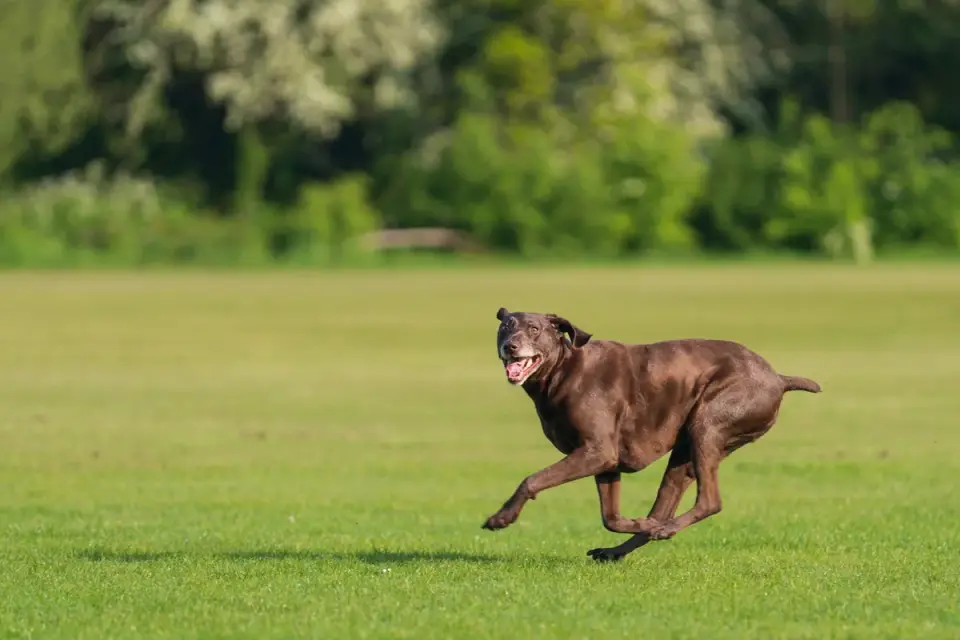
A busy household with a 9-year-old cattle-dog mix tried to solve this the wrong way, and it is the tradeoff I see every month. After noticing flattened canines, they swapped his plush toys for a rock-hard nylon antler to save money through 4 nights of heavy chewing. On night four he yelped, left a pink smear on the antler, and then refused hard kibble for two mornings. The exam found a slab fracture on an upper premolar with pulp exposure, not simple wear. Hard chew toys do not fix wear; in a brittle senior tooth they concentrate force exactly where you do not want it.
That failure reshaped how I talk about toy texture. If you cannot dent it with a thumbnail, assume a worn senior tooth cannot safely chew it daily. This is where spending logic helps: How Much Should You Spend on Dog Toys? argues for buying fewer, softer interactive toys rather than a basket of bone-hard bargains, which fits worn mouths perfectly.
When I bend the usual soft-toy rule
The standard advice is soft rubber, no tennis felt, no bones, no antlers. Usually right. But a 68-pound senior husky mix who lived for fetch forced a bend. At 13, with blunted incisors but intact canines and no pulp spots, taking away all chase destroyed his evening half-mile waddle, and his stiffness worsened without it. What we did differently: we kept short, low-impact play but changed the object and the surface.
We used a smooth, oversized soft-rubber ball, threw rollers on grass instead of high catches on concrete, capped sessions at 5 minutes, and rinsed the ball to remove grit. His owner logged chewing side, drop rate, and mouth pawing after each outing. When drops rose two sessions in a row, we rested and checked. For context on shifting play as puppies become seniors, When Do Puppies Stop Teething and Need Different Toys? and Does Cold Weather Make a Senior Dog Seem More Stiff and Slow Than Usual? both show how texture and joint comfort have to be adjusted together.
Developmental background helps explain why some seniors wear unevenly, as reviewed by the Merck Veterinary Manual on tooth formation and malocclusion that predisposes certain teeth to heavier load.
Keep the weekly check, retire abrasive felt and hard nylon for worn mouths, and let a dark center spot, asymmetry, bleeding, or one-sided chewing trigger a vet dental exam. That keeps play joyful without asking fragile teeth to do a young dog’s job.
Sources
- Dental Disease in Dogs — VCA Hospitals