On this page
Leave the room with the wrong toy and you buy risk. Leave with the right setup and you buy calm.
I see it as a fork every owner faces before work, errands, or dinner: is this a together-toy or a leave-alone-for-a-bit toy? Together-toys squeak, shred, tug, and bounce with you. Leave-alone toys are oversized, intact, low-fragment, and boring enough to chew without swallowing. If you cannot sort your basket that fast, default to supervised only.
A 22-pound, 14-month-old terrier mix in an apartment is the classic test. His owner works from home and wants to leave a small plush squeaker while she takes calls. The dog paces, mouths the seam for six minutes, then starts head-shaking the squeaker. She swaps to a large rubber hollow toy smeared with peanut butter and kibble, frozen overnight, and he licks for 12 minutes before settling on the rug. That 12-minute settle is the observable marker that changed the plan from plush-alone to food-puzzle-alone.
Solo or supervised? Make the 30-second call
Check mouth, material, and history. Pull the toy if it fits fully in the mouth, if pieces flake off under a thumbnail, or if your dog has destroyed that style before. Leave it only if it is too large to swallow, has no leg, ear, squeaker, or rope tail to amputate, and your dog licks or gnaws without frantic head-shaking.
The American Kennel Club frames size and durability as the first filter for toy selection, and that filter matters twice as much with no human in the room. When in doubt, put it up. A bored dog is safer than a blocked intestine, a point the Merck Veterinary Manual makes clear when it describes how gastrointestinal foreign bodies cause obstruction and require intervention.
Set a timer. Walk the dog first. Offer water. Clear socks, batteries, and food wrappers.
Why alone time has a clock at all
Chewing changes after novelty wears off. Early licking and gnawing stays rhythmic. Late chewing turns to tearing, prying, and swallowing. Heat, fatigue, hunger, and arousal push that shift faster, which is why nutritional evidence matters here too: a fed, watered, exercised dog who has had balanced meals and recovery time may help support steady chewing behavior better than a wired, under-exercised dog asked to self-soothe on an empty stomach.
Inspect the toy on a schedule, not when it looks dead. Look for cracks, soft spots, missing chunks, exposed squeakers, and frayed rope. Rinse rubber puzzles. Retire plush to supervised-only once seams loosen. For teething puppies chewing harder and mouthing more, rotate textures and review When Do Puppies Stop Teething and Need Different Toys? before you extend solo time.
Solo sessions work best short.
The setup that buys you 15 quiet minutes
Freeze the puzzle. Smear wet food or peanut butter thinly, add kibble, freeze overnight. Freezing slows intake and keeps the dog licking instead of chomping. Size up one level from the label for strong chewers. Place the dog on a washable mat with nothing else to shred. Start with 10 to 15 minutes alone within earshot, then check the toy.
A 3-year-old, 48-pound pit-type dog shows why timers beat trust. His owner left a treat ball for three full afternoons while on video calls, and by the fourth afternoon the dog had chewed the cap rim into sharp crescents. He paced, drooled, and left pink saliva on the mat after 40 minutes of frustrated pawing. The owner pulled the ball, switched to a larger one-piece rubber feeder for 15-minute sessions behind a baby gate, and the frantic pawing stopped on night two. That two-night turnaround reset the rule in that house.
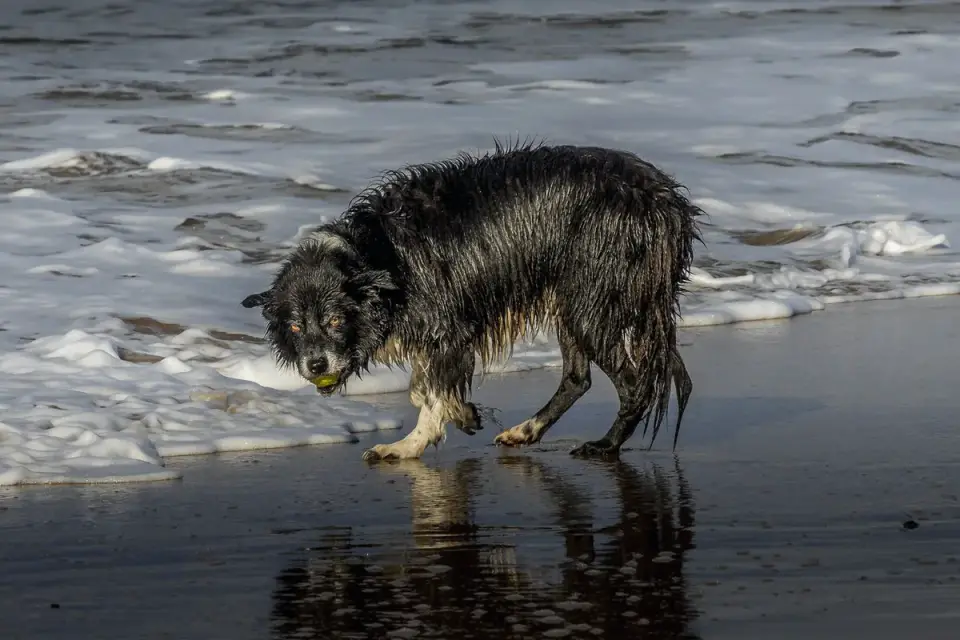
Remove batteries, bells, ribbons, and small balls entirely from solo access. Toss rope toys with pulled strings. Toss latex that tears in sheets. Keep one or two proven solo toys, not a full basket.
When I cut solo time to zero
Stop leaving any toy alone if your dog resource guards, panics alone, swallows fabric, vomits after chewing, bleeds from gums, coughs, retches, or paces instead of settling. Brachycephalic breeds, heavy swallowers, and dogs with prior obstruction do not get unsupervised shreddables. The ASPCA notes destructive chewing often signals unmet exercise, anxiety, or attention needs, so treat repeat destruction as information and add training, enrichment, and veterinary screening.
A 12-year-old Labrador with worn canines and a stiff right hip bends the usual chew-hard guidance. She cannot trot the half-mile loop she once loved, so her owner tried leaving a hard nylon bone for an hour while grocery shopping. The dog ignored it for 20 minutes, then gnawed the knuckle until her gums bled. The owner switched to a soft rubber lick mat with canned pumpkin for 10 supervised minutes before rest, plus short sniff walks, and her evening settling improved within a week. That one-week shift is why seniors get softer, shorter, watched sessions.
Reassess cost and risk together with How Much Should You Spend on Dog Toys? if you keep replacing chewed puzzles.
So what would I leave for 15 minutes — and what would you take away today?
Frequently asked questions
How long can a dog play with a toy unsupervised?
For most adult dogs, aim for 10 to 15 minutes with a large, intact rubber puzzle within earshot, then inspect the toy. End the session if chewing turns frantic or pieces come off.
What toy is safest to leave alone with a dog?
A one-piece, oversized rubber food puzzle with frozen filling is usually lowest-risk. Avoid plush, squeakers, rope, latex, small balls, and any toy your dog has destroyed before.
Sources
- Destructive Chewing — ASPCA