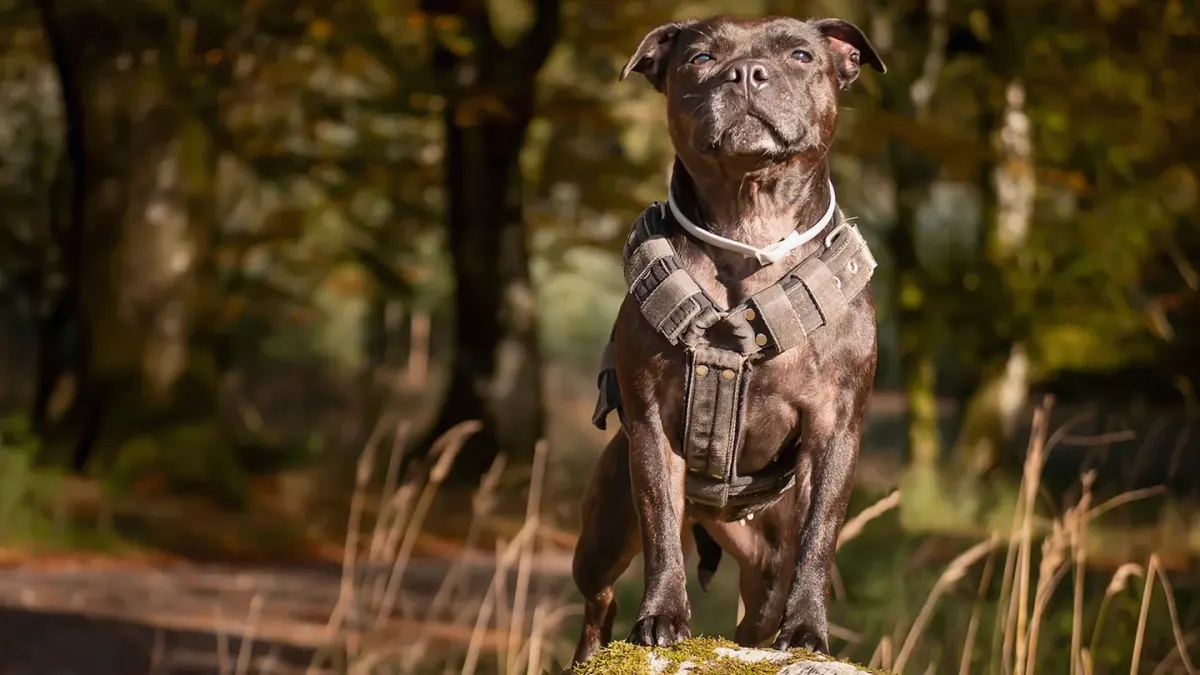
If your For You page is all dock-diving Labs and paddleboard Frenchies right now, you are getting the highlight reel. The splash looks effortless, the dog climbs out shaking and grinning, and nobody posts the slow swim back against current when legs get heavy.
Here is the decision fork I use in day-to-day practice: is your dog going anywhere the water is over their chest, moving, or hard to climb out of? If yes, plan on a dog life jacket. If it is only a shallow wade where they can stand and walk out, you can often skip it.
Vets often see the same mismatch. Owners judge by confidence, dogs judge by fun, and neither predicts fatigue. A big, enthusiastic swimmer like Avery, a 5-year-old neutered male Great Pyrenees, is a good example. His owner Francis in Manchester, New Hampshire, was weighing lake swims where Avery would chase a ball about 40 yards out, then need to climb a slick ladder back to the dock. That return trip, not the jump in, is where a vest supports safety.
What a life jacket supports, and what it cannot fix
A vest supports buoyancy around the chest and neck, keeps the head higher with less effort, and may help maintain stamina on a longer swim. The top handle and bright color also make a tired dog faster to grab and easier to see in chop.
What it does not do is make a dog drown-proof. Fit matters more than bulk, and no vest replaces supervision, a swim exit plan, and rest breaks. The American Kennel Club notes that even confident swimmers can tire and that fit, handle strength, and visibility are key selection points for life jackets.
That honesty about thin evidence matters here too. There are no randomized trials ranking dog vest designs for drowning prevention. We are working from buoyancy principles, boating-safety practice, and preventive experience — which is enough to recommend use near risk, but not enough to promise a specific vest prevents drowning.

Who tires fastest, even when they look strong
Breed is a poor shortcut. Body shape, coat weight, age, and health change the math more than reputation.
Watch closely if your dog is brachycephalic, barrel-chested, very lean, senior, carrying extra weight, new to swimming, or recovering from illness or orthopedic issues. Cold water, current, waves, and a waterlogged double coat drain energy fast. VCA Animal Hospitals advises close supervision around water, attention to fatigue and cold, and a clear exit route, because dogs do not always self-limit when they are excited.
For context on heat and outing planning, many owners pair swim days with other gear choices, like whether a Front-Clip vs Back-Clip Dog Harness: What Actually Stops the Pulling changes control on a slippery dock, or whether a Bungee Leash vs. Fixed Leash for a Lunging Dog: What Actually Protects Necks and Shoulders makes sense for the walk down to the water.
Fit beats flotation claims every time
Keep it simple and check three zones on land before you ever launch.
You want snug around the chest and neck without pressing on the throat, full belly coverage that does not ride up, and a handle stitched through the core panels rather than tacked to thin fabric. The straps should stay put when you lift gently at the handle, and your dog should still walk, sit, and pant comfortably. High-visibility color and a D-ring for a short leash assist near docks and boats.
Rinse after lake or salt water, hang dry, and recheck fit if weight changes. If you boat often, review general warm-weather and boating precautions from the American Veterinary Medical Association alongside your state boating rules, and keep a human lookout assigned rather than assuming the vest is watching.
Skeptical-friend question: does my strong swimmer look silly in one? Maybe for about two minutes. Then they swim flatter, you lift them out by a real handle instead of a collar, and you get your dog back on the dock without the scramble. For deep, moving, or hard-exit water, that trade is worth it.
If you want a deeper safety checklist, this explainer pairs well with Do Dogs Actually Need a Life Jacket, or Is It Just Boat-Dock Theater?.
Frequently asked questions
Does my dog need a life jacket if they already swim well?
For deep, moving, or hard-exit water, yes. Strong swimmers still tire, and a vest supports head position and gives you a handle for the lift out.
What should a dog life jacket fit like?
Snug at the chest and neck without pressing the throat, no riding up over the belly, straps that stay put on a gentle handle lift, and room to pant and walk normally.
Sources
- Warm Weather Pet Safety — American Veterinary Medical Association