On this page
If your For You page looks like mine in January, every other clip is a shivering Chihuahua in a puffer vest set to the same sped-up sound. Cute, yes. Complete winter walking gear checklist for your dog, no. As a sports-medicine and nutrition vet, I care less about the aesthetic and more about what cold actually does to diet, mobility, and recovery — a small, lean dog burns through calories faster to stay warm, and a stiff senior moves worse on frozen ground.
Here is the decision fork before you buy anything: does your dog need insulation and traction support, or just protection from salt and darkness? A 9-year-old, 14-pound Miniature Poodle with thin hair who trembles after 10 minutes outside in 28°F weather lives in the first group. A 3-year-old, 55-pound Lab with dense undercoat who loves snow in the same neighborhood mostly needs the second. That split drives everything below, and it is why one viral coat cannot fit all dogs.
That Poodle is a composite I see every winter — older, light, recently pickier at breakfast, owner worried about adding layers versus adding food. On exam-style history she was holding up a front paw on salted sidewalks after just two blocks, eating about a quarter-cup less per day, and sleeping curled tight instead of stretched out. Her owner had bought three sweaters based on TikTok links, all too short in the back and gapping at the chest, and wondered if a heated vest was next. What changed the plan was not more fleece, it was measuring chest girth and back length and checking paw pads for cracked edges. Once insulation actually covered from neck to tail base without restricting shoulders, her 20-minute evening walks stopped ending in shivers.
What TikTok gets right — and where the hype stops
The viral advice correctly emphasizes coats, boots, and lights. Where it drifts is implying every dog needs all three in heavy-duty form.
Cold tolerance varies by coat type, body fat, age, and health. The American Veterinary Medical Association reminds owners that short-haired, very young, very old, and small dogs feel cold fastest and that paw exposure to salt and ice carries its own risk. That grounds the gear list in nutritional evidence too: a dog that shivers to thermoregulate is spending energy that would otherwise go to maintenance and movement, which is why thin seniors and athletes working in winter may help support steady mobility and recovery better when insulation reduces that caloric waste rather than when we chase it with extra treats after.
Fit beats fill.
The checklist that actually holds up on sidewalks
Think in systems, not single products. For insulation, look for a coat that covers neck to tail base, closes snugly at chest and waist without pulling, allows full shoulder extension, and stays put when your dog trots. Water-resistant shell with a smooth lining matters more than ultra-thick puff for wet snow, because a soaked coat chills faster than no coat in dry cold.
For paws, you need a salt plan every walk. Boots work if they stay on and do not change gait; balm helps repel grit when boots are a no-go. I break down the tradeoffs in Paw Balm vs. Boots for Salted Sidewalks: Which One Actually Protects Your Dog? — most owners end up using both across a season.
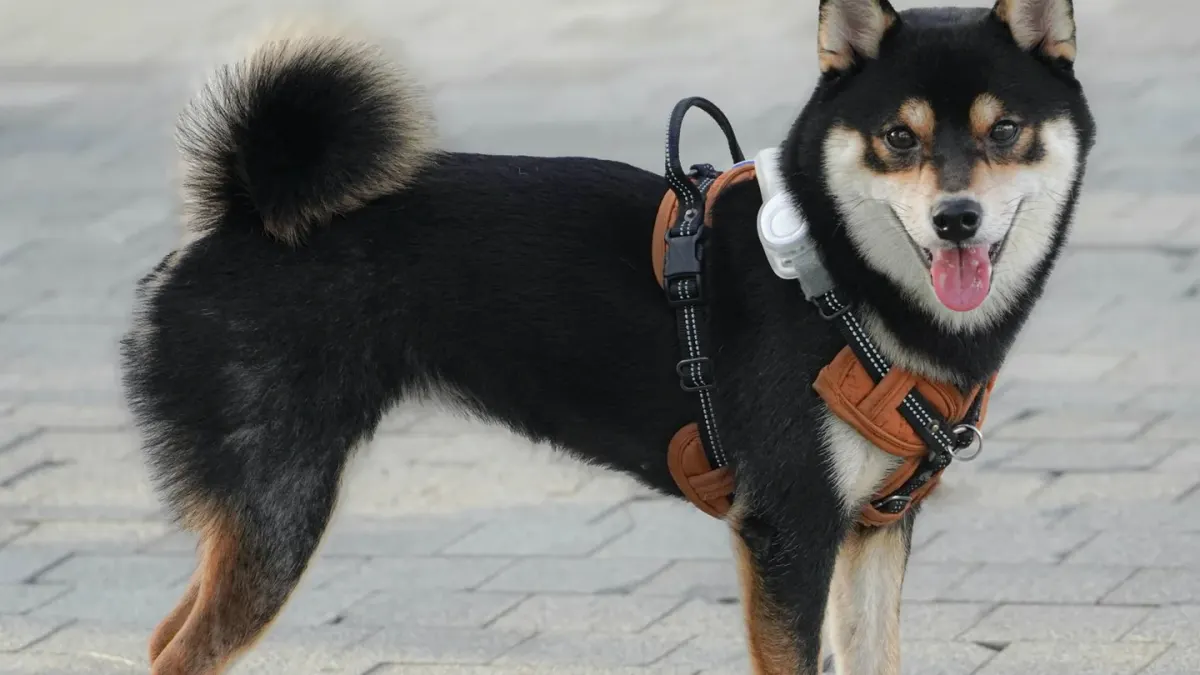
Leash and harness setup matters more in winter because pulling on ice loads necks and shoulders. A well-fitted harness that does not slip over a coat, paired with a non-retractable leash you can grip with gloves, prevents the sudden lunge-and-slip. If you are still deciding hardware, see Front-Clip vs Back-Clip Dog Harness: What Actually Stops the Pulling and Bungee Leash vs. Fixed Leash for a Lunging Dog: What Actually Protects Necks and Shoulders.
Visibility is non-negotiable from November to March. Reflective trim, a clip-on light, and a light-colored coat beat a dark puffer every time for drivers at 5 p.m.

The boots that lasted four houses — and still failed
Mid-season, a different composite case shows the tradeoff. A 4-year-old, 38-pound Border Collie mix, athletic and foot-shy, had an owner determined to make tall insulated boots work for a half-mile loop through salted apartment blocks. They sized carefully, practiced indoors for six nights with treats, and got a perfect indoor strut. Outside was different. By house number four the back boots twisted, the dog started high-stepping and chewing at a strap, and the owner spent more time readjusting on an icy corner than watching traffic. They finished the walk with boots in pockets and raw-looking paw edges from salt slurry. The fix was not a better boot, it was a mixed strategy: trimmed paw hair and balm before the walk, low-cut flexible booties only on the worst salt days, and a warm rinse plus thorough drying right after. For that dog, mobility looked better with less gear, not more.
Short gear that changes gait is worse than no gear.
When the usual advice has to bend
Not every dog follows the small-dog-needs-coat rule. Take a composite 68-pound senior Husky mix, age 11, with laryngeal weakness and a thick double coat who overheats indoors but gets stiff after rest in cold. His owner assumed no coat ever, until nighttime bathroom breaks turned into slow, short-strided shuffles and long warm-up times back inside on his orthopedic bed. We did not add a heavy parka. We added a light, belly-covering wind layer just for wet, windy nights, shortened the late walk to a quick out-and-back, and shifted most exercise to midday when pavement was driest and his joints moved freest. Food stayed measured to maintain lean weight, because extra pounds load arthritic joints more than they insulate. The bend here: protect old joints from wind and wet without trapping heat, and let timing do what insulation cannot.
So what would I actually buy?
Prioritize in this order: a measured-fit water-resistant coat only if your dog is small, short-coated, very young, very old, or visibly cold; a paw plan for salt every single walk; a secure harness plus grippable fixed leash; and visibility for you both. Skip heated apparel, bulky costumes that bind shoulders, and any boot that alters stride. Cold injury is not just frostbite — systemic heat loss impairs coordination and judgment, a pattern human medicine describes well in CDC guidance on hypothermia, and dogs show their version as shivering, slowing, lifting paws, or wanting to turn home.
Will a trendy vest alone keep your skeptical friend’s dog warm? Only if it fits the dog in front of you, covers what needs covering, and leaves shoulders, feet, and eyes free to do their jobs.
Frequently asked questions
Does my dog need a coat for winter walks?
It depends on coat, size, age, and temperature. Short-haired, small, senior, and lean dogs often benefit below about 32°F, especially in wind or wet snow, while dense-coated breeds may only need paw and visibility protection.
Are boots or paw balm better for salt?
Boots block contact best but must fit without changing gait. Balm plus a post-walk rinse is often more practical for dogs that will not tolerate boots, and many owners alternate both through winter.
How do I know my dog is too cold on a walk?
Shivering, slowing down, lifting paws, whining, or trying to turn home are common signs. Shorten the walk, head to shelter, and dry and warm your dog gradually.
Sources
- Cold Weather Pet Safety — American Veterinary Medical Association
- Hypothermia Safety — CDC