For recall training, most dogs learn fastest on a 15- to 30-foot long line, not the 50-footer all over your feed.
I watched this play out last spring with a lanky adolescent shelter mix, about 5 months old, in his second week home. In a mowed soccer field just after 7 a.m., his owner unclipped a 50-foot line to “give him freedom,” then called him from 45 feet away while a jogger bounced past with another dog. The puppy sprinted 20 feet, hit the end at full speed, tumbled sideways into the harness, then blew past the recall entirely to chase. After three reps in 10 minutes, the owner’s concern wasn’t disobedience — it was that the puppy was learning that coming when called means getting yanked.
That is the physiology problem underneath the length question. Recall is a motor pattern plus arousal regulation: the dog has to orient, inhibit the competing chase drive, turn, and gallop back while the prefrontal circuitry stays online. Too much distance too early spikes locomotor momentum and environmental distraction faster than reinforcement history can compete. The American Kennel Club frames reliable recall as built in short, successful repetitions with high-value reward, and that only works if you can manage distance before the dog fails.
Start short enough to get paid for turning
Think lifecycle, not shopping list. Weeks 1-2 are about mechanics on a 15-foot line in low-distraction space — backyard, quiet field, empty tennis court.
Fifteen feet lets you stay within 8 to 12 feet for most reps, step on the line without a rope burn, and reel in gently if the dog locks onto a scent. You want 20 to 30 fast wins per session: call once, run backward two steps, pay generously when the dog pivots. If you need handling backup, our explainer on Front-Clip vs Back-Clip Dog Harness: What Actually Stops the Pulling covers why a back-clip harness plus long line protects the trachea better during those turn-backs.
This is also where whole-patient health quietly matters. A dog that may help support steady mobility and recovery through balanced nutrition, adequate protein, and rest will repeat sprints more willingly than a sore, under-fueled adolescent — I ground an integrative claim in the nutritional evidence here because food therapy and rehab both show that tired tissue learns poorly.
Short lines don’t limit freedom. They limit failure.
When a 30-footer earns its keep
Once your dog turns on the first cue eight times out of ten at 12 feet with mild distractions, graduate to 30 feet. That is your workhorse length for real-world proofing.
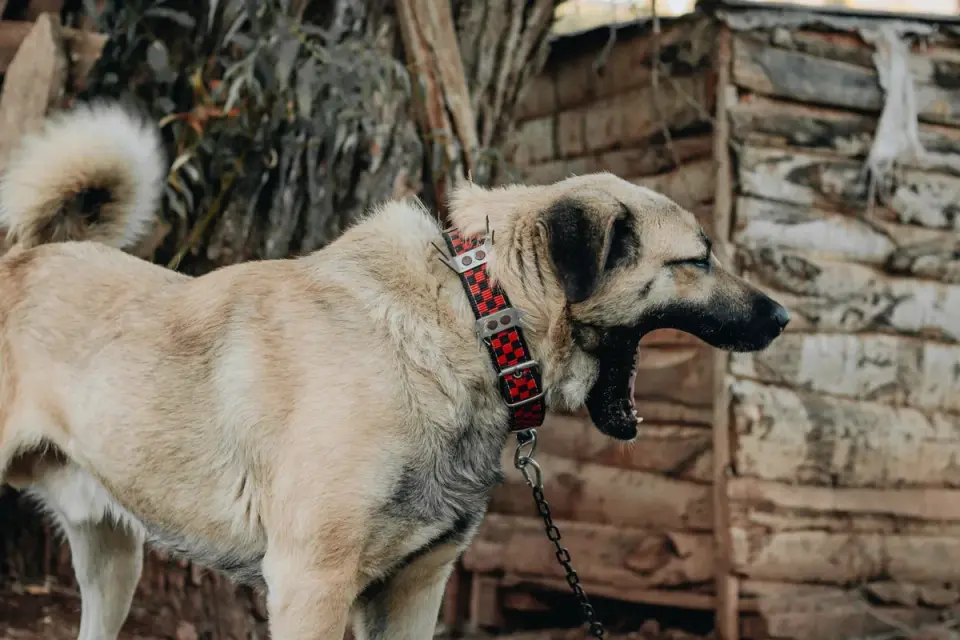
The tradeoff showed up with a 62-pound bully-breed mix I coached through a park-distraction phase. She was brilliant in the yard, so her owner jumped straight from a 6-foot leash to a 50-foot cotton web line for park work. By the fourth throw of a tennis ball from another group, she had wrapped the line twice around a bench leg, burned the owner’s palm trying to brake, and learned she could ignore the second “come” because the handler was still untangling 35 feet of slack. We dropped back to a 30-foot biothane line for six sessions, kept recalls inside 20 feet, and only used the last 10 feet as a safety buffer, not working distance. Her check-ins doubled because the consequence for responding arrived faster.
Thirty feet gives you room to practice distance, duration, and distraction separately without managing spaghetti. It also keeps drag and snag risk manageable. For material and grip differences that change how that length feels in hand, see Biothane vs Nylon vs Leather Long Line: Which One Actually Holds Up?.
Keep it on a harness, never a collar, and learn to gather in large loops rather than wrapping around your hand.
When longer hurts, and when 50 feet makes sense
Fifty feet is a specialist tool, not a starter kit.
It makes sense only after reliable 25-foot recalls around moderate distractions, and mainly for open-field rehearsal, decompression hikes, or sporting-dog steadiness where you intentionally let the dog range. Even then, use it dragging only in clear, enclosed acreage, with gloves and a harness, and call from well inside the full length. The American Veterinary Society of Animal Behavior emphasizes reward-based methods and avoiding corrections that increase fear, which is exactly what a high-speed long-line pop becomes at 40-plus feet.
The bend-the-rules case was a senior beagle mix on Day 14 of a new recall plan in a 2-acre sniff spot. She had zero chase drive but profound nose-lock — once on rabbit scent she would drift 60 yards and go deaf. A 30-foot line meant constant low-level tension that frustrated both ends of the leash. We switched to a lightweight 50-foot line, let her wander to 35 feet, and only cued recall when she lifted her head naturally between scents. Over three mornings the owner logged 12 successful long-distance turn-ins because we stopped interrupting tracking and started paying disengagement. Same tool, opposite job: management for freedom, not pressure for proximity.
That nuance is why the Whole Dog Journal describes the long line as a safety net for practicing choice, not a remote steering wheel.
If your dog lunges or hits the end hard, pair length choice with equipment that protects necks and shoulders — Bungee Leash vs. Fixed Leash for a Lunging Dog: What Actually Protects Necks and Shoulders breaks down that tradeoff.
Choose 15 feet to teach the turn, 30 feet to proof it, 50 feet only to preserve freedom you’ve already earned.
Frequently asked questions
What length long line is best to start recall training?
Start with 15 feet in a low-distraction area so most recalls happen at 8 to 12 feet where you can reward fast, clean turns.
When should I move up to 30 or 50 feet?
Move to 30 feet once your dog responds first-cue about 8 out of 10 times up close. Save 50 feet for open, enclosed spaces after reliable mid-distance recalls.
Should a long line attach to a collar or harness?
Use a well-fitted back-clip harness for recall work to protect the neck and trachea from sudden stops at distance.
Sources
- Position Statements — American Veterinary Society of Animal Behavior