On this page
Last spring I watched an owner stand in a bathroom doorway holding a towel, staring at her 4-year-old 68-pound yellow Lab. His neck and the base of his tail felt tacky again by day 10 after a bath, with a faint corn-chip smell and dark residue on her fingertips. She was weighing the TikTok advice — just strip it with dish soap — against waiting another week to see if it cleared on its own. That fork is the whole guide in miniature: remove the surface oil now, or figure out why the skin keeps overproducing it.
Sebum itself is normal. Dogs make oil to support the skin barrier and may help maintain coat water resistance, and some breeds just run oilier. In day-to-day practice, Labs, Basset Hounds, Cocker Spaniels, and Shar-Peis tend to feel waxier between baths. What changes my advice is texture plus context: flat, even oiliness after rolling in something is different from sticky, flaky, smelly, or itchy skin that rebounds fast after bathing.
The greasy-coat fork I use in the exam room
Is this outside grease sitting on normal coat, or inside-out grease coming from irritated skin? Outside grease looks patchy — one flank, paws, belly — and the skin underneath looks calm and pink. You can often see the story: garage floor, grill drip, kitchen oil, pine sap. Inside-out grease feels more uniform around the neck, armpits, belly, and tail base, often with yellowish scale, dull clumps, or odor even right after a rinse.
Grease alone is information, not a diagnosis.
For a one-time outside spot, I start boring on purpose: blot, don’t rub, with a dry towel, trim matted tufts rather than pulling them, then wash only the area with lukewarm water and a dog-formulated gentle shampoo. That limited wash supports coat recovery without stripping the whole dog. The Merck Veterinary Manual describes oily seborrhea as a scaling disorder where management centers on identifying the underlying cause plus appropriate topical care, which matches how I triage these cases.
What that waxy film is actually doing
A thin lipid layer helps keep skin hydrated and supports normal shedding. Problems start when oil, dead skin cells, and yeast build up together. That is why greasy coats often come with flakes stuck to the hair shaft, a musty odor, blackish debris along the belly, or itching at the ears and paws. VCA Hospitals notes that oily seborrhea in dogs can be primary in predisposed breeds or secondary to allergies, yeast, or hormonal conditions, so persistent grease deserves a cause-first mindset.
I learned the cost of the fast-strip approach from a 6-year-old 22-pound Cocker Spaniel seen for flaking after three weeks in of dish-soap baths every three to four days. The owner was trying to stay ahead of the ear-and-neck oil that defines the breed, and at first the coat looked squeaky clean for about 24 hours. By week two the skin looked tight and pink, the scale turned from soft yellow to dry white, and the dog scratched his ears raw at night. We had traded surface oil for barrier disruption and still had not addressed the likely allergy-plus-yeast cycle driving the grease.
That tradeoff is the strongest counterargument to my own rule, and I take it seriously. Dish detergents cut kitchen grease fast, so they feel satisfying in the tub. I still do not recommend them as routine coat care because the pH, fragrance, and degreasing strength formulated for plates are harsher than what dog skin tolerates with repeat use, and they do not treat yeast, bacteria, or allergies when those are present.
Wash it right instead of washing it away
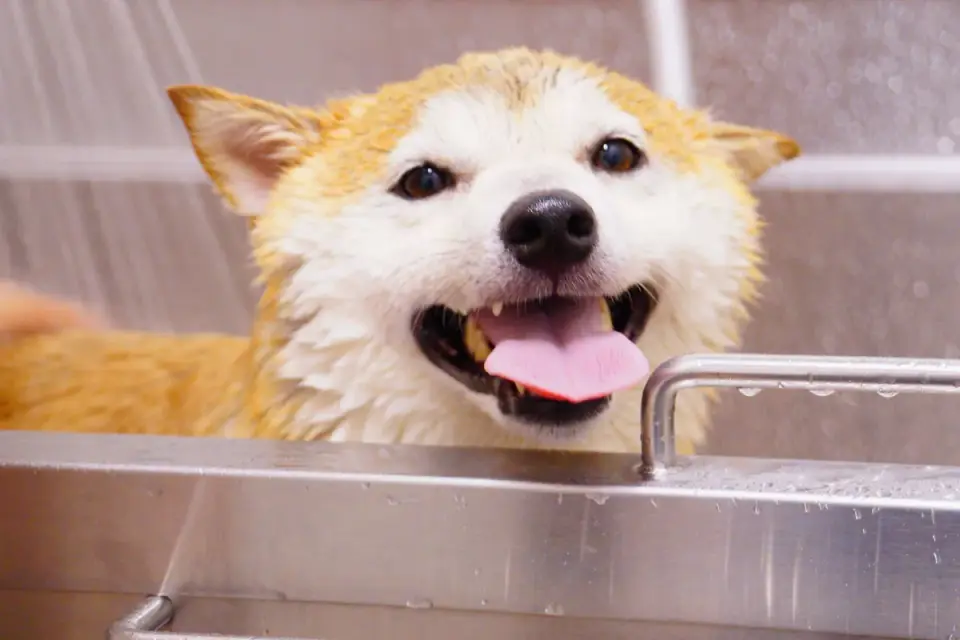
When the skin looks otherwise healthy and you just need to reset an oily coat, keep the routine narrow and repeatable. Brush first to lift loose hair and scale, because shampoo cannot reach skin through a packed undercoat. Use lukewarm water, work a dog-specific shampoo — gentle cleansing or an antiseborrheic formula recommended by your veterinarian — into the oiliest zones and let it sit for the label contact time. Rinse until the water runs clear, then rinse once more around the armpits and groin where residue hides.
Frequency matters more than force. Most healthy oily-coated dogs do better with a planned bath every two to four weeks plus brushing, not weekly stripping. If you are unsure where your dog falls, this explainer on how often bathing actually affects skin helps calibrate without guessing. For thick or fast-shedding coats, pairing that schedule with breed-appropriate brushing — like the routine outlined for grooming a German Shepherd through coat blow and the mat-prevention cadence in Poodle coat care — supports airflow to the skin so oil does not trap under dead hair.
Dry completely with a towel followed by low, warm airflow, then brush again once dry. Damp undercoat plus oil is how hot spots and musty smell get a foothold. Skip heavy perfumed sprays, coconut-oil soaks, and dry shampoos piled on top of grease; layering product over oil usually makes the coat feel heavier by the next day.
When grease stops being a bath problem
Book a veterinary visit rather than another bath if grease rebounds within days, comes with hair loss, redness, sores, ear odor, intense itch, or a sharp rancid smell. Those patterns point toward yeast or bacterial overgrowth, allergies, hypothyroidism, or other medical drivers that shampoo alone will not resolve. Bring notes on diet, flea prevention, bath products, and timing — that history shortens the workup considerably.
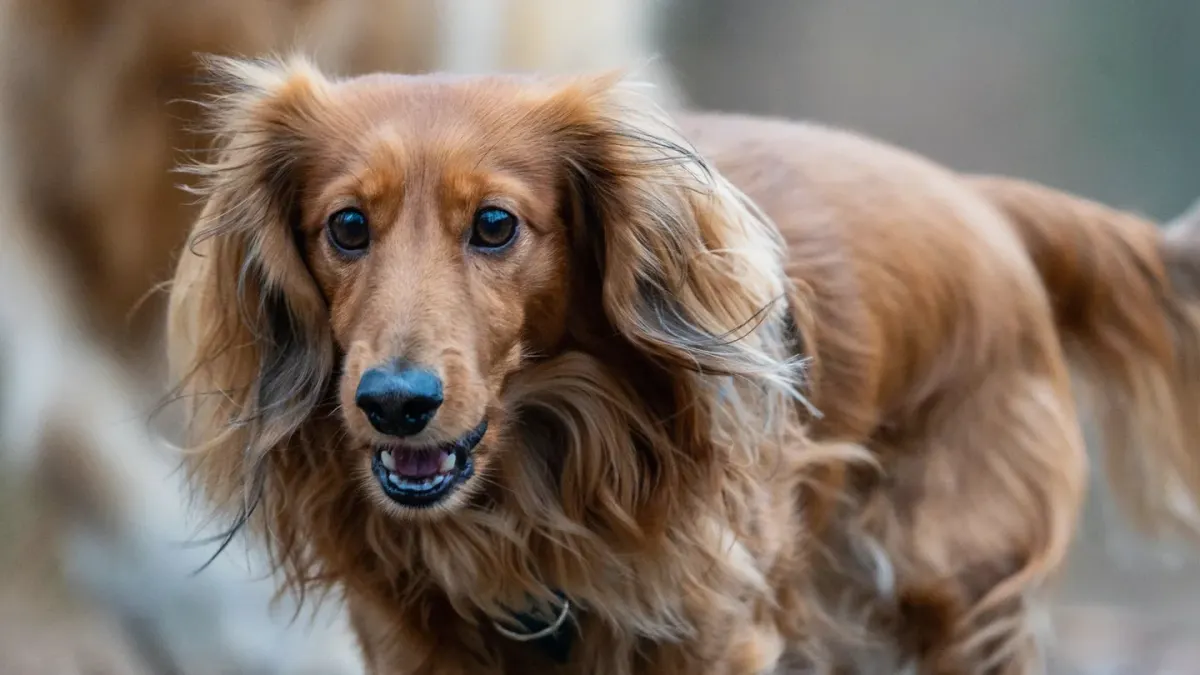
The edge case that changed how I counsel owners involved an 8-year-old 14-pound neutered Dachshund with a coin-sized greasy, thinning patch at the tail base that returned by week three after every bath. The rest of his coat stayed normal, so the owner kept spot-washing the tail and assuming poor rinsing. On exam the localized scale and hair thinning fit tail-gland hyperplasia, sometimes called stud tail, where androgen-influenced glands oversecrete oil in one spot. That dog did not need more full baths; he needed a targeted plan for that gland area and monitoring for secondary infection, which is a very different job than general degreasing.
If a professional bath makes more sense — senior dog, painful skin, severe matting over grease — use it early rather than wrestling through a stressful home bath. This framework for deciding between at-home grooming and a professional groomer is the one I share with clients. And for honest expectations about frequency, the American Kennel Club reminds owners that bath timing depends on coat type, lifestyle, and skin health rather than a single rule.
I land here in practice: blot and spot-clean true outside grease, reset persistent oil with a dog-formulated shampoo on a restrained schedule, and let fast-rebounding or smelly grease trigger a vet check. It is less satisfying than a one-wash viral fix, but it preserves the barrier that keeps the coat from getting greasier next week.
Frequently asked questions
Should I use dish soap to cut grease on my dog's coat?
For routine coat care, no. Dish detergents can strip oil fast but may leave skin dry and irritated with repeat use, and they do not address yeast, allergies, or other medical causes of persistent grease. Use a dog-formulated shampoo and ask your veterinarian about an antiseborrheic option if oil rebounds quickly.
How fast should grease return before I call the vet?
Call if the coat feels sticky again within a few days despite proper bathing and rinsing, or if grease comes with odor, flakes, itch, redness, hair loss, sores, or ear problems. Those signs suggest secondary infection, allergy, or hormonal disease rather than normal oil.
Can I just bathe more often to stay ahead of an oily coat?
Usually not. More frequent harsh bathing can dry the skin while the underlying cause continues. Most healthy oily-coated dogs do better with brushing plus a planned bath every few weeks; persistent cases need a cause-first exam.
Sources
- Seborrhea in Dogs — VCA Hospitals