On this page
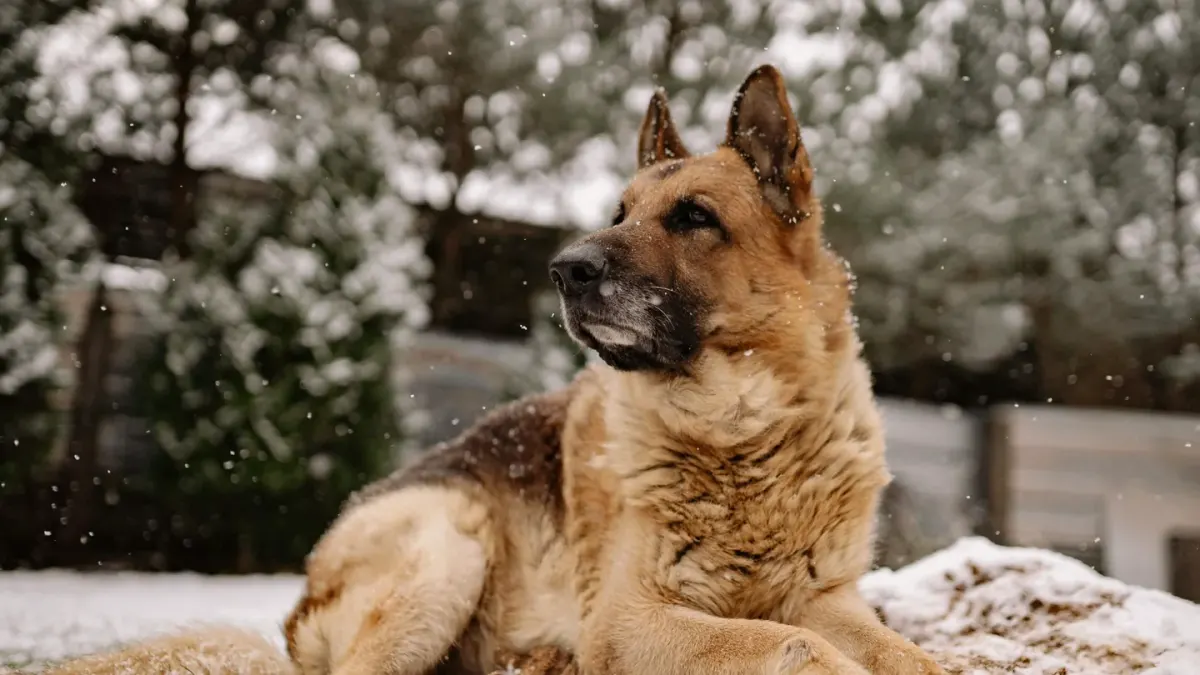
The first time Priya’s German Shepherd, Koda, blew his winter coat, she thought something was medically wrong. Tufts of pale undercoat came away in handfuls every time she touched him, drifting across the kitchen floor like dust bunnies with opinions. A neighbor mentioned FURminators. A groomer mentioned twice-a-year shaves. Koda’s vet mentioned neither was quite right, and that the real fix was a routine, not a single tool.
That’s the pattern behind most German Shepherd coat panic: an owner sees the volume of hair and assumes crisis, when it’s actually a predictable seasonal event with a known fix.
Why the Coat Sheds This Much
German Shepherds carry a double coat — a coarser outer layer of guard hairs over a soft, dense undercoat that insulates against both heat and cold. Twice a year, usually spring and fall, that undercoat releases in bulk over roughly two to three weeks. Groomers and breeders call it “blowing coat,” and it isn’t a skin problem so much as a seasonal reset. The American Kennel Club notes that during this window, daily brushing keeps the shed hair from building up around the house and matting against the remaining coat. Outside of coat blow, three to four sessions a week is generally enough to stay ahead of it.
Skipping brushing doesn’t make the shedding stop. It just relocates the problem from your brush to your couch.
Building the Actual Routine
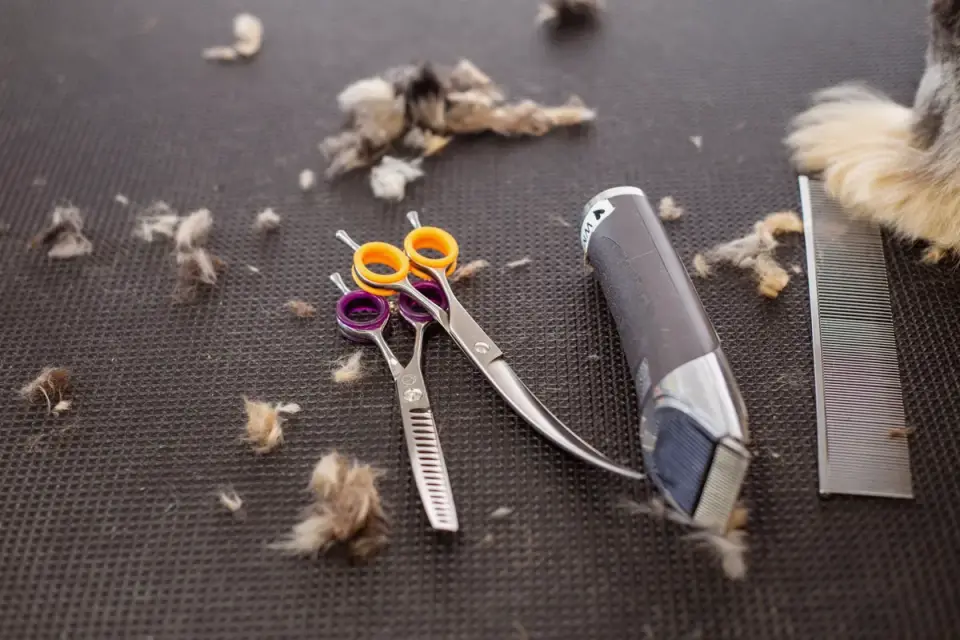
Start dry, and start with a tool designed to reach the undercoat rather than just skim the top layer — a de-shedding rake or comb, not a slicker brush alone. Light, even strokes work better than pressing hard for fewer passes; too much pressure in one spot can scrape skin and damage the guard coat sitting above it, an outcome the AKC’s grooming guidance specifically flags. Many owners find it easier to do this outdoors, since the volume of loose fur during peak shedding is genuinely substantial.
Work in sections, from the neck down through the flanks and hindquarters, checking the skin as you go rather than treating brushing as purely cosmetic.
What Not to Do
Two mistakes come up constantly, and both make the coat harder to manage, not easier. Shaving a double coat down to the skin feels like relief in the moment, but the coat regulates temperature in both directions — it insulates against summer heat and protects skin from sunburn as much as it traps warmth in winter. Removing it can leave a dog more exposed to heat stress and UV damage, not less. Bathing over mats is the second: water tightens tangled fibers, and what was a loose knot before the bath can become nearly impossible to work out afterward without scissors. VCA Animal Hospitals recommends thorough dry brushing before any bath, particularly for heavily undercoated breeds during their seasonal shed.
Bathing itself doesn’t need to happen often. Most German Shepherds do fine with a bath every four to six weeks, or even less, since frequent washing strips the natural oils that keep the coat and skin healthy.
When Grooming Becomes a Vet Conversation
Routine brushing is also a low-key skin check. Redness, bumps, flaking, or a persistent odor under the coat are reasons to loop in a veterinarian rather than reach for another grooming tool — those signs point toward something dermatological, not just seasonal volume. Diet matters here too: a coat that looks dull or sheds excessively outside the normal cycle can sometimes trace back to protein or fatty-acid gaps, which is a separate conversation worth having with a vet before assuming it’s a grooming-technique problem. Owners weighing a coat-support supplement alongside brushing changes might find it useful background to first read how to spot signs your dog needs a calming supplement or check vet-checked probiotic picks, since skin and coat issues sometimes overlap with gut health in ways that aren’t obvious from the outside.
The Short Version
Coat blow isn’t a malfunction, it’s biology on a schedule. Brush dry, brush often during the shed, use light pressure with an undercoat-reaching tool, skip the shave, and bathe sparingly and only once mats are worked out. Koda still sheds like clockwork every spring and fall. The floor just doesn’t know it anymore.
Frequently asked questions
How often should I brush a German Shepherd during coat blow?
Daily during peak shedding, tapering to three or four times a week the rest of the year, according to grooming guidance summarized by the American Kennel Club.
Is it ever okay to shave a German Shepherd's double coat?
No. The undercoat insulates against both heat and cold, and shaving it removes that protection along with the guard hairs that shield skin from sunburn.
Why does my German Shepherd's coat look worse after a bath?
Bathing over mats or tangles tightens them further. Brush thoroughly while the coat is dry first, then bathe.
Sources
- How to Groom a German Shepherd Dog — American Kennel Club
- Grooming and Coat Care for Your Dog — VCA Animal Hospitals