On this page
You got the wiry terrier because you loved that crisp, tousled jacket — then someone tells you never to clip it and your For You Page fills with dramatic hand-stripping videos.
An 11-month-old Wire Fox Terrier came in for itchy red bumps along his back, and his owner was stressed because she’d been told clipping would ruin him forever. She’d waited five months since his last full groom, brushing only with a slicker that skimmed over the top, and the undercoat underneath had packed into a dull, cottony layer. You could see blown, pale tips standing a full inch past the harsh outer coat, and he scratched through the whole exam. We talked through stripping versus a tidy pet clip for an active family dog, and she chose a compromise that fit her schedule and his skin.
Strip or clip? Pick your lane early
This is the BoutiqueTok fork nobody puts in a 30-second video: do you want to maintain that hard, weather-resistant wire texture, or do you want a soft, easy pet trim? Hand-stripping pulls dead, blown outer hairs by hand or with a stripping knife so new harsh hair grows in, which is what the American Kennel Club describes for traditional terrier coats. Clipping cuts the hair shaft and leaves soft undercoat to dominate, so color fades and texture goes fluffy.
In day-to-day practice I tell owners to be honest about maintenance. Stripping supports that classic look and may help maintain airflow through the coat, but it takes time, skill, or regular pro appointments every 6 to 8 weeks. Clipping is completely reasonable for most pet homes. It does not hurt the dog, and for a lot of families it is kinder than letting the coat mat while they chase an ideal they cannot keep up with.
What viral videos skip about wire texture
Wire coats are a double coat with attitude: soft, dense undercoat plus harsh guard hairs. That harsh top layer only stays harsh if dead hair actually leaves.
Most owners brush too little and bathe too much. A slicker alone polishes the surface while dead undercoat felts underneath. Over-bathing strips oils and softens texture faster, which is why general coat-care guidance from VCA Hospitals emphasizes brushing routine and bathing only as needed rather than on a fixed weekly schedule.
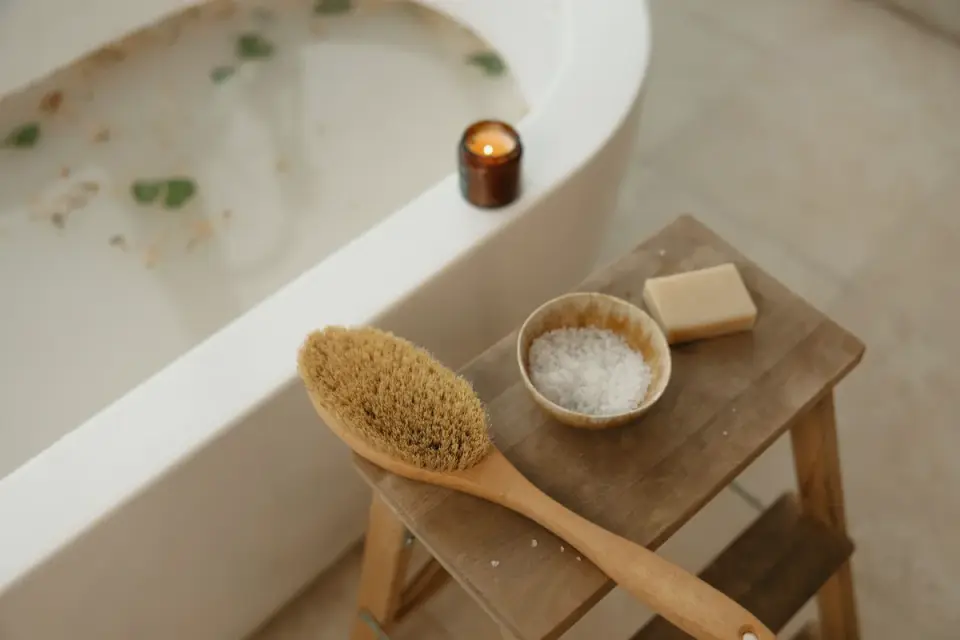
Your weekly toolkit is simple. A metal Greyhound-style comb, a firm slicker for light detangling, a stripping knife or coarse pumice stone if you strip, blunt-tipped thinning shears for feet and furnishings, plus nail trimmers and a dog-specific ear cleaner.
A three-year-old Brussels Griffon mix taught me what happens when the tools are right but the technique is rushed. Her owner had watched stripping tutorials and spent six Saturday sessions pulling at her shoulders, leaving patchy bald spots and sore, pink skin that flinched at touch. She’d been working on dirty, uncombed coat for about 20 minutes at a stretch without checking which hairs were actually ready to release. We paused all pulling for four weeks, switched to comb-outs and short handling rewards, and her skin calmed down. The tradeoff was real: slower progress, but a dog who would actually stand for grooming again.
The weekly routine that actually works
Plan on 15 to 20 minutes once a week, plus a bigger groom day every 6 to 8 weeks.
Start with the comb. Work in layers from skin out on beard, legs, and belly where mats hide, then do the jacket with the lay of the hair. If the comb snags, do not yank — tease the tangle apart with fingers and a little detangling spray. Follow with a quick slicker pass only where you need to lift dead fluff.
That weekly session is also your prevention check. Look for redness, greasy flakes, hot spots under the beard, and brown gunk or odor in ears. Brush teeth or use dental wipes, because small terriers build tartar fast and home care supports healthy gums between cleanings. I am honest where the preventive evidence is thin: supplements and coat oils will not create harsh texture if dead coat is still stuck in the follicle.
Bathe every 4 to 8 weeks, or when dirty, with lukewarm water and a mild dog shampoo. Rinse thoroughly, blot rather than rub, and comb straight while drying on low warm air. Trim nails every 3 to 4 weeks, clean furnishings around eyes and mouth, and tidy paw pads so they can grip. Basic bathing and brushing steps like these line up with the practical tips from the ASPCA on keeping grooming low-stress and regular.
Texture lives or dies between baths.
When you have to bend the textbook routine
A 19-pound Border Terrier who hiked two miles every morning with his owner shows where strict advice bends. He came in matted after a muddy fall, belly caked and beard smelling sour, and his owner wanted to preserve his hand-stripped jacket at all costs. On paper you would comb out, strip a little, and spot-clean. In real life the kindest choice that day was a full bath, a careful clip of the tangled furnishings, and leaving the back alone to regrow. His jacket looked uneven for a month, but his skin stayed clear and he kept his trail routine without painful pulling. Sometimes you protect the dog in front of you, not the coat standard.
If you are new to this, borrow help early. A pro hand-stripper for the first two or three visits can set the pattern, then you maintain with weekly combing. Puppies can start with handling, comb touches, and dryer noise well before a full groom — that early window is why guides like When Can You Start Grooming a Puppy? The Age Window That Actually Matters matter even for wiry breeds. And if you are debating salon versus DIY for that 6-week reset, At-Home Grooming vs a Professional Groomer: How to Actually Decide and Mobile Dog Grooming vs a Salon: What Actually Decides It can help you match your schedule to the coat.
So is hand-stripping actually worth it? If you love that crisp color and do not mind the upkeep, yes. If you want a happy, low-maintenance buddy — clip him, comb him weekly, and enjoy those eyebrows?
Frequently asked questions
Should I ever shave a wire-coated breed?
Clipping or shaving will soften texture and fade color but does not harm health. Choose stripping to preserve harsh texture, or clipping for easier pet maintenance with regular brushing.
How often should I bathe a wire-coated dog?
Every 4 to 8 weeks or when dirty is enough for most pet dogs. Brush and comb weekly between baths, and rinse muddy paws and beards as needed without a full bath.
Sources
- Grooming and Coat Care for Your Dog — VCA Hospitals
- Dog Grooming Tips — ASPCA