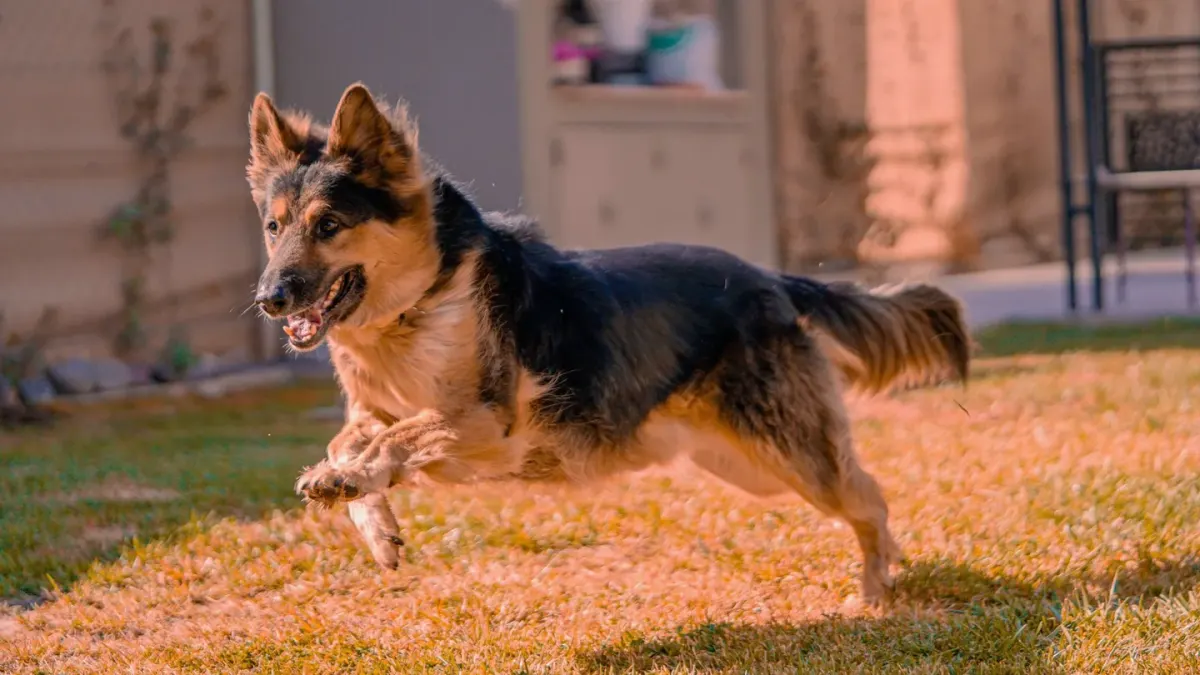
Maya knew her 12-year-old chocolate Lab still wanted the evening fetch ritual, but his lower canines were flat to the gumline and he had started dropping the hard rubber ball after two throws. The decision sitting on her living room rug was concrete: retire the old toy basket cold-turkey and risk a bored, pacing senior, or keep cycling the same hard favorites and watch him wince. She counted the timeline — 10 days of shorter carries, two yelps on a Nylabone-type chew, and one skipped play session — and realized rotation was no longer about novelty. It was about protecting what tooth structure he had left while keeping food-motivated movement in his day.
For dogs like him, I weigh what enrichment and nutrition can realistically do for diet, mobility, and recovery. A supplement may help support joint comfort and daily activity, but it cannot rebuild worn enamel or replace pain-free play. Grounding that integrative hope in nutritional evidence changes the priority: first remove mechanical risk from the mouth, then use soft play and food therapy to support whole-patient health. That may help support mobility more than any hard chew ever will.
Is the old toy box helping or hurting worn teeth?
Worn teeth lose enamel and expose softer dentin, which abrades faster and can become sensitive to pressure and temperature. The American Veterinary Medical Association notes that fractured teeth, oral pain, and reluctance to chew are common reasons for veterinary dental evaluation, and play behavior is often where owners notice it first — dropping toys, chewing on one side, preferring licking over biting.
Start with a full sort. Put every toy in three piles: keep for supervised soft play, save for scent-only work, retire permanently. Retire anything that does not give under thumbnail pressure, anything with cracked hard plastic, frayed rope with long strings, tennis-ball felt worn to slick rubber, and any plush with exposed squeakers or foam. For a senior with attrition, hardness matters more than brand. If you would not want to bite it with a sore molar, he should not have to.
What should a senior-safe rotation actually look like?
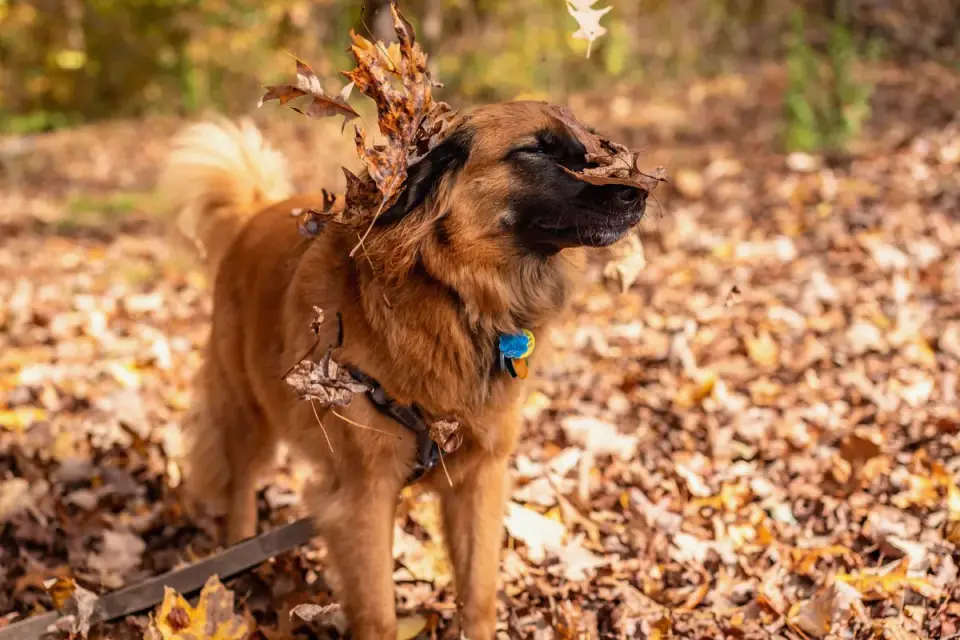
Think small and soft. Keep 4 to 6 toys total, with only 2 to 3 out at a time, and swap sets every 3 to 4 days. That cadence preserves novelty without overwhelming a dog whose world is increasingly scent-led. A useful set is one soft plush for carrying, one low-bounce foam or soft vinyl ball for rolling, and one lick or snuffle activity for food engagement.
Jasper, a 9-year-old beagle mix who lived for squeakers, showed why hardness beats hype. His owner tried to save money by keeping his two favorite hard rubber toys in rotation and adding only one new plush. For three nights in a row Jasper carried the plush to bed but tried to chew the hard toys at dawn, then left kibble in the bowl until noon. On exam his upper premolars were blunted and his gums bled with pressure. The tradeoff was clear: keeping the old favorites felt thrifty, but every hard chew session shortened the next comfortable meal. Once the hard toys were retired to fetch-only rolling — no chewing, no tugging — his morning appetite steadied.
For rolling play, choose a large-diameter soft ball that cannot be chomped like a tennis ball. For plush, choose flat, stuffing-light shapes with embroidered eyes. For food play, favor lick mats, snuffle mats, and soft silicone puzzles over hard treat-dispensing balls that invite gnawing. Cornell’s dental home-care guidance from Cornell University College of Veterinary Medicine emphasizes daily observation and gentle, non-traumatic oral care over aggressive chewing, which fits this approach well.
That choice also affects budget. If you are deciding how many replacements to buy, How Much Should You Spend on Dog Toys? can help you set a realistic refresh cycle without overbuying hard chews he can no longer use safely.
When do you bend the usual rotate-and-toss rules?
Most advice says toss any damaged plush. With seniors, sniffing value can outlast chewing value. A slightly torn snuffle mat or a drool-softened plush that is unsafe for biting may still work for supervised scent games if loose parts are trimmed and the toy is never left alone.
Ruby, a 68-pound senior husky mix with worn canines and early hind-end stiffness, proved the exception. Her owner had retired all tugging after a dental cleaning, but Ruby still paced at dusk and ignored food puzzles. Instead of reintroducing tug, they bent the rotation: the same soft plush stayed out for five evenings as a scent anchor rubbed with a little kibble dust, while the other two slots rotated. They added three short 5-minute sniff walks around the yard rather than one long fetch session. Ruby started carrying the anchor toy to the door to ask for those walks, and her evening restlessness eased. The usual 3-day swap did not fit her; olfactory consistency plus movement variety did.
Cold months often expose the same need for lower-impact play. If stiffness rises in winter, Does Cold Weather Make a Senior Dog Seem More Stiff and Slow Than Usual? outlines how to shift exercise toward shorter, warmer sessions. And because seniors change quickly, Body Condition Score vs. Muscle Condition Score for Senior Dogs is a useful check that play is preserving muscle, not just burning time.
For product safety context, look for dental-acceptance standards rather than marketing claims. The Veterinary Oral Health Council lists products evaluated for plaque and tartar control, a reminder that no toy replaces brushing or professional care. If chewing suddenly changes, pawing at the mouth appears, or appetite drops, pause rotation and book a dental exam rather than testing a harder toy.
The forward-looking move is simple: rotate for nose and brain, not for jaw strength. Keep sets small, textures soft, swaps predictable, and let food, sniffing, and short movement do the work hard rubber used to do.
Frequently asked questions
How often should I rotate toys for a senior dog?
Every 3 to 4 days works for most seniors. Keep 2 to 3 soft toys out and store the rest, then swap to keep novelty without causing stress.
Are squeaky toys safe for dogs with worn teeth?
Soft plush squeakers used for carrying and supervised play are usually fine. Remove any toy with exposed squeakers, foam, or hard plastic that invites hard chewing.
Should senior dogs still get chew toys?
Avoid hard chews that do not give under pressure. Replace chewing with lick mats, snuffle mats, and soft food puzzles, and ask your vet about dental-safe options.
Sources
- Pet Dental Care — American Veterinary Medical Association
- Accepted Products — Veterinary Oral Health Council