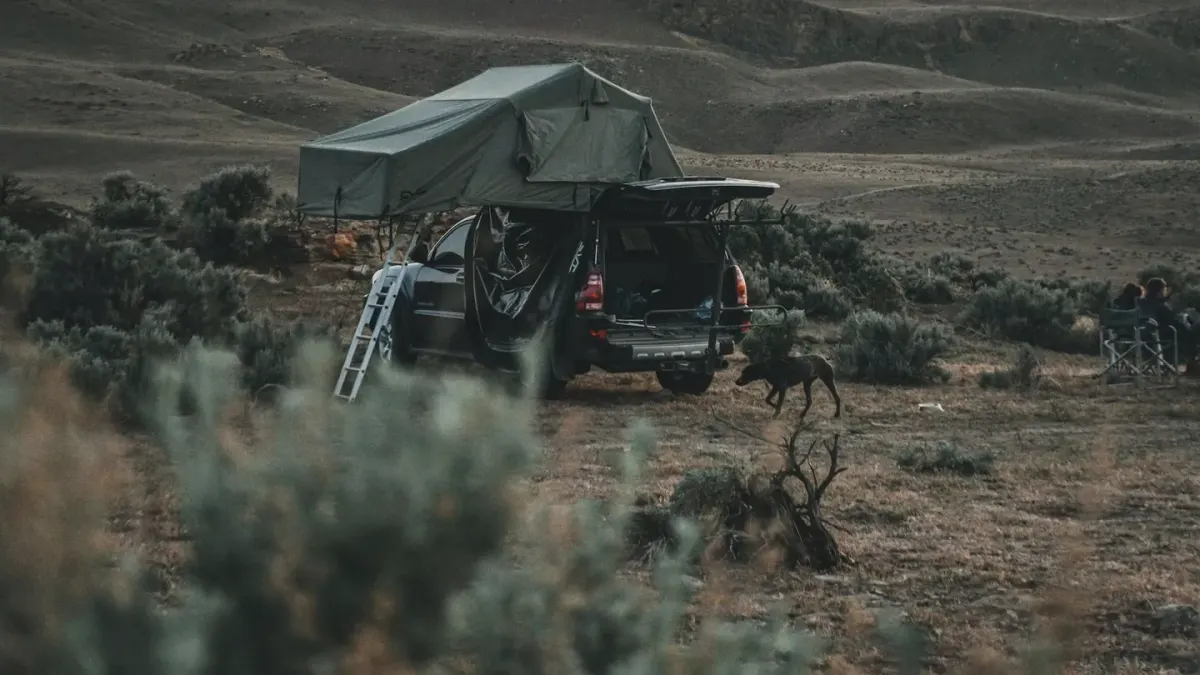
On this page
If your For You page looks like mine right now, every other video is a dog sprinting into surf at golden hour with the caption “he needed this.” I get it. I also see what happens the week after those trips in exam rooms.
My take after years of counseling beach-bound clients: plan this like a heat-and-water safety trip that happens to be at the beach, not a hotel trip with your dog added on. The strongest counterargument is that dogs need full freedom to enjoy the beach, so off-leash access should drive the whole booking. Freedom matters, but thermoregulation and gut tolerance decide whether you stay past lunch.
Dogs do not cool like we do. They rely heavily on panting and limited sweat through paw pads and nose, which is inefficient in hot, humid, still air. Core temperature can climb fast during fetch on sand, and sand radiates heat back onto a low, dark-coated body. That physiology is why I want shade, rest breaks, and fresh water established before anyone throws a ball.
Off-leash dream or on-leash safety net? Pick your beach first
She was a 6-year-old, 68-pound Labrador mix who lived for fetch, and her owner was torn between two rentals for the same long weekend. Option one was an off-leash beach forty minutes from the house with no shade, no rinse station, and a 10 a.m. to 5 p.m. dog window in July. Option two was an on-leash state beach with morning and evening dog hours, a shaded trail, outdoor showers, and a ground-floor room five minutes from the sand. She had a history of soft stool after lake swims and panted heavily after ten minutes of continuous retrieve even at home. By day 3 of mapping her triggers, the choice was clear: the family booked the structured beach and saved the off-leash sprint for a local field in fall.
That is the decision fork I use with every client. If your dog drinks seawater, overheats quickly, resource guards, or has unreliable recall around wildlife and kids, an on-leash beach with shade and rinse access will support a calmer baseline than an off-leash free-for-all.
The American Veterinary Medical Association reminds travelers to confirm pet policies, restraint, and health needs before departure, and beach towns add another layer of local leash hours, permit tags, and seasonal closures.
The salt-water gut and the hot-sand paws nobody films
He was a 3-year-old, 24-pound French Bulldog mix who loved to bite at waves, and his owners figured a collapsible bowl would solve everything. By day 2 of their trip, the pattern was obvious: thirty minutes of wave-chasing, repeated gulps of salt water, then vomiting in the rental, followed by urgent diarrhea at 2 a.m. and a refusal to walk on the hot boardwalk back to the car. They had packed treats and a life jacket but no shade tent, no extra fresh water to offer every 10 to 15 minutes, and no plan to check sand temperature with the back of a hand. The emergency visit for dehydration and paw redness cost them the rest of the vacation.
Keep it preventive: structure and function, realistic timelines.
Salt water may help support a miserable 24 hours of vomiting and diarrhea because hypertonic fluid pulls water into the gut lumen. Sand burns are contact injury, not toughness. The ASPCA notes that hot pavement and exercise intensity drive heat risk, and the same logic applies to midday sand that feels hot to your palm.
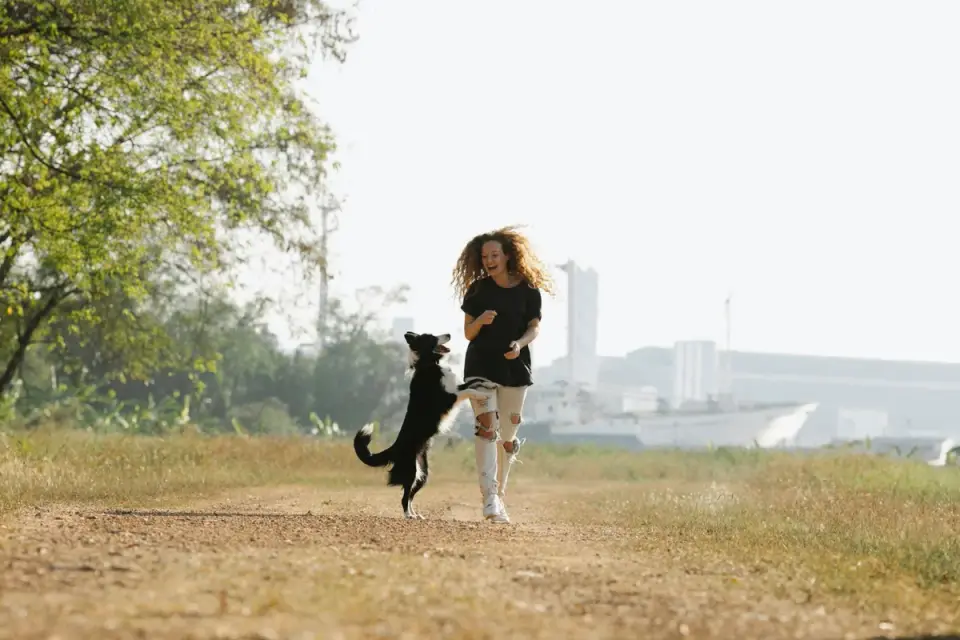
Fresh water first, play second. That order holds all week.
What to book, pack, and check before you load the car
Book for the dog’s nervous system, not the view. Call the rental and ask: where do dogs eliminate at night, where can you rinse salt and sand, is there shade at the exact beach access you will use, and what are the enforced dog hours? A ground-floor room near an exit may help support low-stress handling for anxious dogs far more than an ocean view with three elevator rides.
For car safety on that drive, review restraint tradeoffs in Dog Car Seat Belt vs Crate vs Barrier: Which Restraint Is Safest? and size differences in Traveling With a Small Dog vs a Large Dog: The Real Differences. If you are flying to the coast instead, start with How to Fly With a Dog: The Complete Guide.
Pack like a field kit: flat collar with ID plus harness and two leashes, long line for decompression walks, fitted life jacket for weak or flat-faced swimmers, shade tent or umbrella, beach blanket for hot sand, two gallons more fresh water than you think you need, high-value treats, poop bags, towel and rinse jug, paw balm, ear rinse if your vet has recommended one for your swimmer, and baseline medications plus vaccine records. The U.S. Food and Drug Administration advises fresh water, shade, and watching for overheating during summer outings, which is exactly the beach-day checklist.
The senior, the puppy, and the ear infection edge case
She was an 11-year-old, 52-pound senior with early kidney disease and stiff hips who still lit up at the smell of salt air, and her owner assumed she should sit this trip out. Three weeks in advance, we mapped a different plan: a shaded pet-friendly patio rental with a 7 a.m. beach window, five-minute leash strolls on firm wet sand only, a cart back to the shade tent, and strict fresh-water offers to protect hydration without forced swimming. By day 10 after return, her owner reported the real win was not mileage but behavior — she settled faster at night and kept her morning appetite, with no ear shaking or paw licking that would have signaled trouble.
Seniors, brachycephalic breeds, puppies with incomplete vaccines, and chronic ear or skin cases need a narrower plan: shorter windows, firmer sand, thorough rinse and dry, and a clear stop signal like heavy panting, drooling, glazed eyes, or refusal to play.
So what would change if you planned the whole vacation around your dog’s coolest, quietest two hours of the day?
Frequently asked questions
Are off-leash dog beaches better than on-leash beaches?
Not automatically. Off-leash access is fun for dogs with solid recall and good heat tolerance, but many dogs do better with on-leash hours, shade, and rinse stations that support rest, hydration, and low-stress handling.
How do I keep my dog from drinking salt water?
Offer fresh water every 10 to 15 minutes, use shade breaks for calm drinking, redirect wave-biting play to fetch on damp sand, and end swimming sessions if gulping continues. Repeated vomiting or diarrhea after beach play warrants a veterinary call.
When is sand too hot for paws?
If the back of your hand feels uncomfortable after five seconds, carry your small dog or use booties, a blanket station, and stick to early morning or evening outings on firm, cooler sand.
Sources
- Traveling with your pet — American Veterinary Medical Association
- Hot Weather Safety Tips — ASPCA