
If your feed is full of trunk setups with a pastel cooling mat unrolled like it solves summer, I get why you saved it. I counsel around expectation first: no mat changes how fast a parked car heats up, and your baseline has to be that an unattended dog in a hot car is never safe.
I had a client last July weighing two setups for a weekend lake trip with her 6-year-old, 68-pound Labrador mix who pants heavily even with the windows down. She was deciding between a large pressure-activated gel pad for the cargo area versus a cheaper water-filled pad she could fold into a tote. By day 10 of heat-acclimation walks she noticed he chose tile over his dog bed every evening, sprawled flat, belly down, and moved off the couch cushion within minutes. That pattern told us he sought conductive cool surfaces, so we talked through a gel mat only for attended, air-conditioned driving, never as permission to leave him parked.
That viral trunk setup vs. what heat actually does
A cooling mat moves a little heat away from your dog by conduction for 20 to 40 minutes. It does not air-condition a car.
The American Veterinary Medical Association warns that interior temperatures climb within minutes even on mild days, which is why I reject any product that implies “safe to leave” use. The Merck Veterinary Manual describes heatstroke as a medical emergency with panting, drooling, vomiting, and collapse, and flat-faced breeds, seniors, puppies, and dogs with heart or airway disease carry higher risk.
You still need airflow, shade, water, and a human present.
Gel, water, or electric — pick for the car, not the kitchen
For cars, I land on a non-toxic, pressure-activated gel mat in the right size, used flat on a stable surface during attended travel.
Gel mats need no water, no freezer, and no power cord, and they recharge after a short break off the dog. Water mats feel cooler at first but they slosh, add weight, can leak at seams, and get uncomfortably warm once they equalize. Electric or ice-insert pads introduce cords, condensation, and chew risk that I do not want around paws and seatbelts.
The strongest counterargument is fair: a soaked towel plus AC feels colder for ten minutes. It does. Towels still bunch, hold humidity against the coat, and warm quickly, while a fitted gel pad stays put under a crate mat.
Measure the crate tray or cargo footprint and leave two inches of clearance so the pad lies flat. Your dog should be able to lie in a natural sphinx or side position without hanging off the edge.
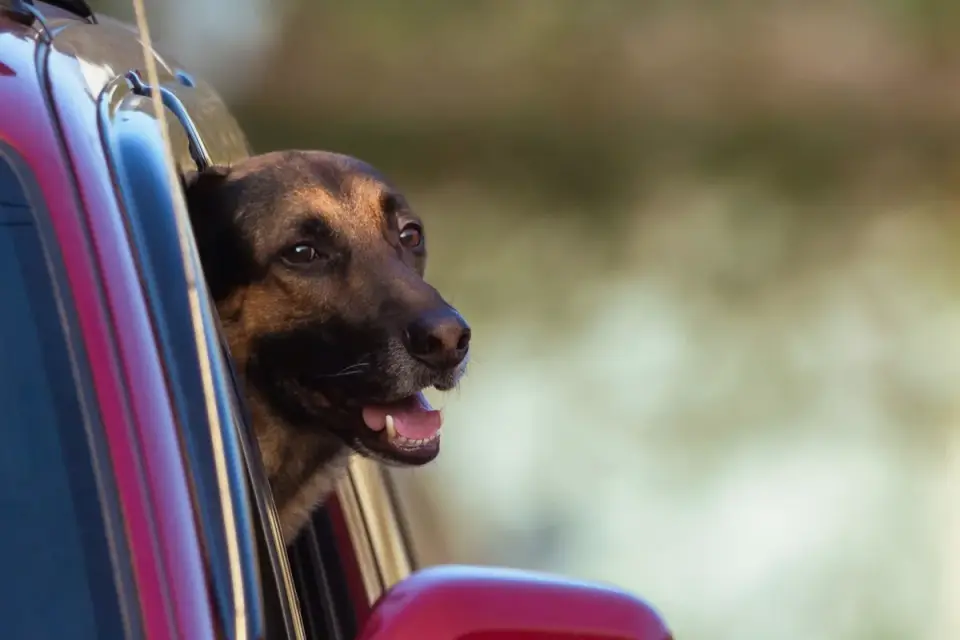
A friend learned the tradeoff the hard way on a rest-stop-heavy drive with her 4-year-old, 42-pound border collie mix. She bought an oversized water mat to cover the whole back seat, filled it the morning of the trip, and folded it to fit around a booster. By the second stop three weeks in to her summer road routine she found a damp seam, a sliding mat, and a dog who refused to settle and stood panting instead of lying down. We swapped her to a smaller gel pad anchored under a non-slip crate liner, kept the rear vents open, and scheduled shade breaks. He lay down within five minutes.
Look for wipeable, puncture-resistant fabric, stitched — not glued — edges, and a stated non-toxic gel. Skip claims about medical-grade cooling unless you can verify them.
The fit and handling details that matter more than color
Think low-stress handling. Introduce the mat at home for three to five short sessions with treats before it ever goes in the car, and watch whether your dog chooses it or avoids the texture. Brachycephalic dogs, double-coated breeds, and anxious travelers often prefer a thin cotton cover over slick vinyl because it reduces sliding and that crinkly sound.
If you crate in the car, confirm your restraint setup first with our comparison of Dog Car Seat Belt vs Crate vs Barrier: Which Restraint Is Safest? so the mat never blocks latches or airflow. Size differences also change heat risk and space, which we break down in Traveling With a Small Dog vs a Large Dog: The Real Differences.
Never use a mat as a fix for parking in shade “just for a minute.”
The edge case I watch for is the senior who looks comfortable but is quietly overheating. One 11-year-old, 18-pound shih tzu I counseled about would lie flat on a cool pad and stop panting, which his owner read as relief, yet by day 14 of a heat wave he was slower on stairs and skipped breakfast after short drives. Small, flat-faced, and older dogs may help support comfort with conductive cooling, but they still need shorter trips, direct vent airflow, and a vet check if recovery takes longer than usual. The ASPCA recommends shade, water, and never leaving pets in parked cars, even with windows cracked.
My preventive take is simple: buy the boring gel mat that fits, use it only with you and the AC on, and let behavior be your thermometer.
Frequently asked questions
Can a cooling mat keep my dog safe in a parked hot car?
No. Interior heat rises too fast for any pad to offset, so never leave a dog unattended and use mats only during attended, ventilated travel.
Which type is best for car travel?
A flat, non-toxic pressure-activated gel mat in the correct crate or cargo size, with non-slip backing and no cords or water fill.
How do I know if my dog is overheating despite the mat?
Watch for heavy panting, drooling, restlessness, vomiting, or collapse, and seek veterinary care promptly if signs progress.
Sources
- Pets in Vehicles — American Veterinary Medical Association
- Hot Weather Safety Tips — ASPCA