On this page
Here’s the fork most owners hit before they’ve even booked anything: can your dog ride as carry-on baggage, or does your dog need a plan built around cargo, crating, and heat exposure? That single question — under 20 pounds and carrier-eligible, or not — decides almost everything downstream. It decides whether you’re shopping soft-sided bags or crash-tested crates, whether you’re calling the airline’s cargo desk, and whether a 95°F layover is a paperwork problem or a life-threatening one.
I’ve been counseling clients through this exact fork for years, and the mistake I see most often isn’t lack of love — it’s assuming a bigger dog just needs a bigger version of the small-dog plan. It doesn’t. The gear, the paperwork, and the physiology are genuinely different animals.
The Decision Fork: Carrier-Eligible or Not
Small dogs — generally under 20 pounds, though airlines vary — can often ride in the cabin, tucked under the seat in a soft-sided carrier. That single fact reshapes the whole trip: no cargo hold, no temperature embargo, no separate check-in line. Large dogs almost never qualify for the cabin. They fly cargo, ride loose or crated in the car, and inherit a completely different set of rules the moment you leave the driveway.
This is the fork to resolve first, before you buy a single piece of gear. Weigh your dog, check the specific airline’s or hotel’s carrier dimensions, and only then start shopping.
Carriers, Crates, and What “Restrained” Actually Means
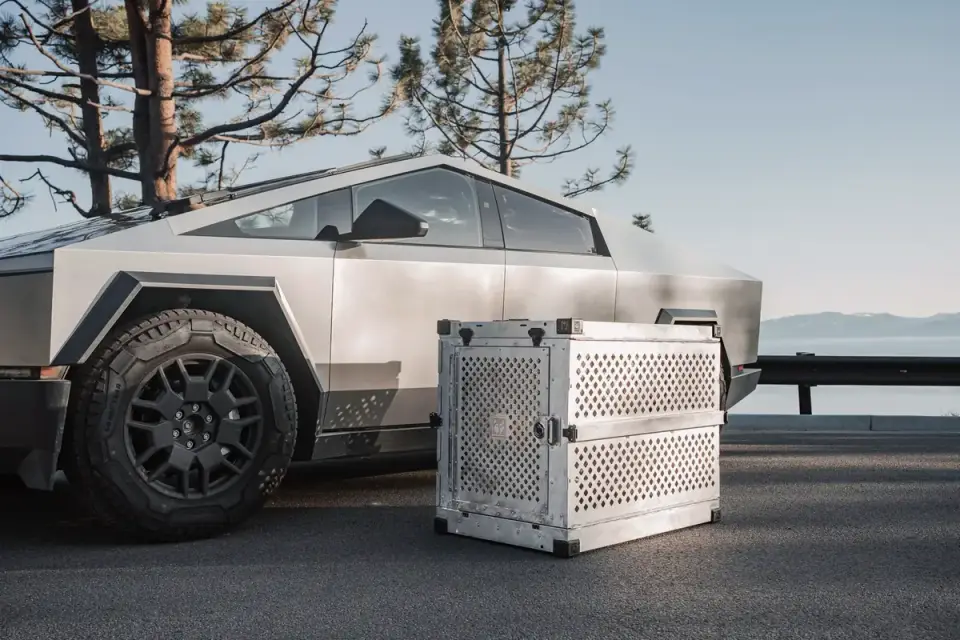
For a small dog, “carrier” usually means a structured, ventilated bag that fits under an airline seat and doubles as a car restraint when secured with the seatbelt or a cargo strap. For a large dog, the equivalent is a hard-sided crate — often too big to fit in most sedans — or a crash-tested harness anchored to the vehicle’s seatbelt system.
The independent testing matters here more than marketing copy does. The Center for Pet Safety, working with an NHTSA-contracted lab, crash-tested a wide range of pet crates and carriers in 2015 and found that most products on the market did not perform well in a real collision — only a small handful met their safety criteria, according to the Center for Pet Safety. That result applies to products at both ends of the size spectrum, but it hits large-dog owners harder, because heavy-duty crates rated for bigger dogs are rarer and pricier than the small-carrier equivalents.
Car Restraint: One Rule, Two Very Different Setups
The underlying rule doesn’t change with size: the American Veterinary Medical Association’s Safe non-commercial transport of pets in motor vehicles guidance holds that the safest place for a dog is properly restrained in the back seat, in a crate, carrier, or harness — never loose, and never in the front seat. What changes is the hardware. A ten-pound dog fits neatly in a backseat carrier. A seventy-pound dog needs either a full-size crate that eats your cargo space or a crash-rated harness clipped to the seatbelt anchor, and even then, sudden stops put more force on a large dog’s body than on a small one.
I had a client with a sixty-pound mixed-breed who’d always ridden loose in the back seat “because he’s calm.” After we talked through what a hard brake does to an unrestrained sixty-pound body — essentially turning the dog into a projectile — she switched to a crash-tested harness. Her smaller dog, a nine-pound terrier, had been riding in a carrier the whole time without a second thought, simply because the carrier was small enough that it never occurred to her not to secure it. The size difference wasn’t just about comfort; it was about which risk was visible enough to act on.
Airlines Treat Them Like Two Different Species
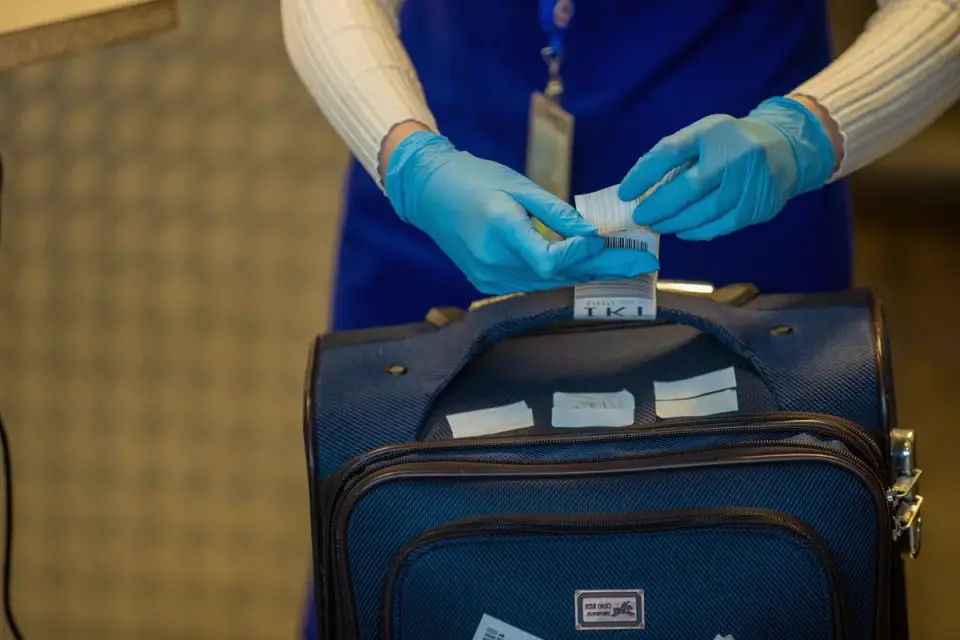
This is where the gap turns absolute. Small, carrier-eligible dogs can typically fly in the cabin with their owner, subject to the airline’s weight and dimension limits. Large dogs are routed to the cargo hold, which brings in a completely separate rulebook: acclimation certificates, temperature embargoes, and breed restrictions that don’t apply to a dog riding under the seat.
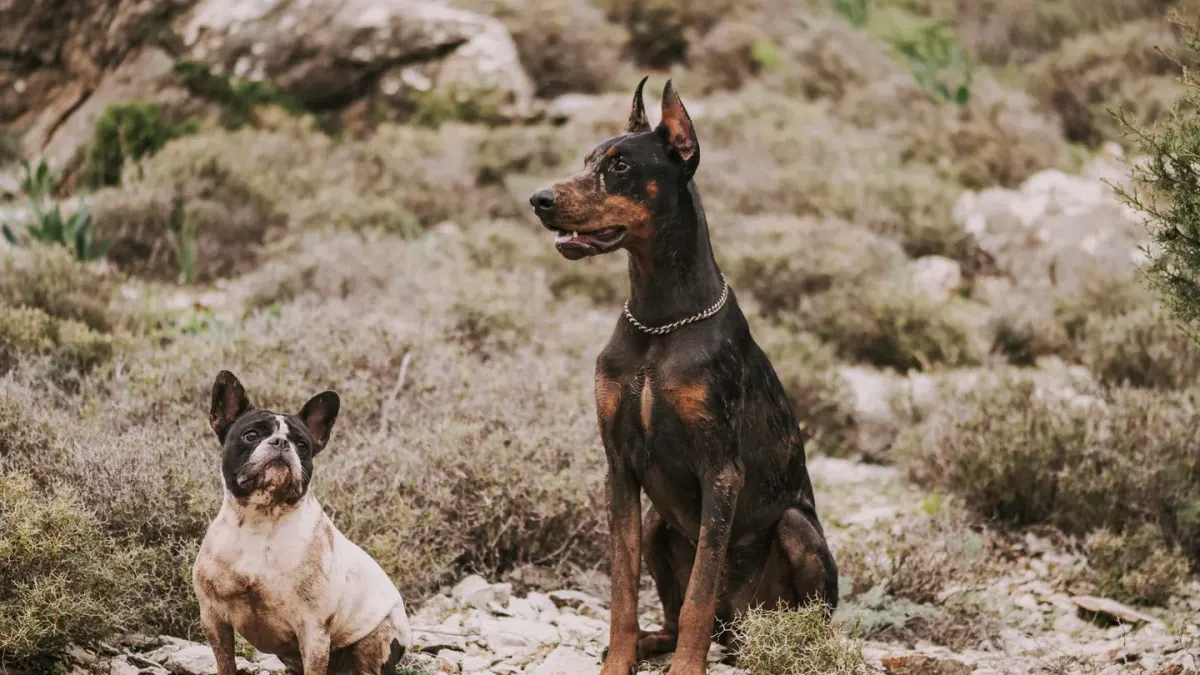
The U.S. Department of Agriculture’s Animal and Plant Health Inspection Service, which oversees commercial pet air transport, notes that pets generally aren’t accepted for travel when forecasted temperatures fall above 85°F or below 45°F anywhere on the itinerary, and that a Health and Acclimation Certificate should be available for cargo shipment, according to USDA APHIS. Brachycephalic, or short-nosed, breeds — French Bulldogs, English Bulldogs, Pugs, and similar — are generally not accepted in cargo at all because of their elevated heat-stroke and breathing risk. A small brachycephalic dog that qualifies for the cabin sidesteps this entirely; a large dog of any face shape does not.
Before you book a flight for any dog, review AVMA’s Traveling with your dog or cat. It’s also worth working through a resource like How to Fly With a Dog: The Complete Guide, and if you’re on the fence about which category your dog falls into, How to Measure Your Dog for an Airline-Approved Carrier walks through the exact numbers airlines check at the gate.
Heat, Stress, and the Physiology Gap Nobody Mentions
Body size changes thermoregulation, and thermoregulation changes travel risk. Large dogs generate more heat and dissipate it less efficiently relative to their mass, which is part of why cargo-hold heat limits exist in the first place. Small dogs overheat too, but they’re far more likely to be traveling in climate-controlled cabins rather than a hold or a hot car trunk, which removes a large slice of that risk automatically.
I remember a Great Dane owner who called me the week before a long summer drive, worried about her dog’s panting in the back seat even with the AC running. We talked through cracking the rear windows for airflow, scheduling stops every two hours instead of three, and watching for excessive drooling or wobbliness — early heat-stress signs that show up faster in large, deep-chested breeds than most owners expect. Her dog was fine, but the plan looked nothing like what I’d tell an owner of a ten-pound Shih Tzu making the same drive, who could ride comfortably in a carrier on the passenger’s lap with a water bottle and a puppy pad.
Movement matters on both ends, too — a small dog cooped up in a carrier for a full flight needs deliberate exercise before and after, the kind covered in Exercise Ideas for Toy and Small Breeds, while a large dog needs room to stretch at every rest stop simply because crating them for six straight hours is harder on their joints.
What This Comes Down To
Small-dog travel is mostly a cabin-and-carrier problem: pick a carrier that meets airline dimensions, secure it in the car, and you’re most of the way there. Large-dog travel is a logistics-and-physiology problem: cargo rules, crash-tested restraint, heat embargoes, and a body that overheats and jolts around a car differently than a ten-pound dog’s does. Don’t buy gear before you know which category your dog is actually in — that decision changes everything else on the list.
For related context, read Dog Car Seat Belt vs Crate vs Barrier: Which Restraint Is Safest?.
For related context, read How to Fly With a Dog: The Complete Guide.
Frequently asked questions
Can a large dog ever ride in the cabin instead of cargo?
Almost never on commercial flights — cabin space is reserved for carriers that fit fully under the seat, which rules out most dogs over roughly 20 pounds depending on the airline's specific limits.
Is a soft-sided carrier safe for car travel too?
Only if it's secured to the vehicle with a seatbelt or strap system; an unsecured carrier offers little protection in a collision regardless of how sturdy it looks.
Why can't brachycephalic dogs fly cargo even if they're small?
Short-nosed breeds have a harder time regulating heat and breathing under stress, so USDA-regulated carriers generally exclude them from the cargo hold independent of size.
Sources
- Safe non-commercial transport of pets in motor vehicles — AVMA
- Traveling with your dog or cat — AVMA
- 2015 Carrier Study Results — Center for Pet Safety
- Pets on Planes Lesson 1: Prep and Receive Pets for Air Travel — USDA APHIS