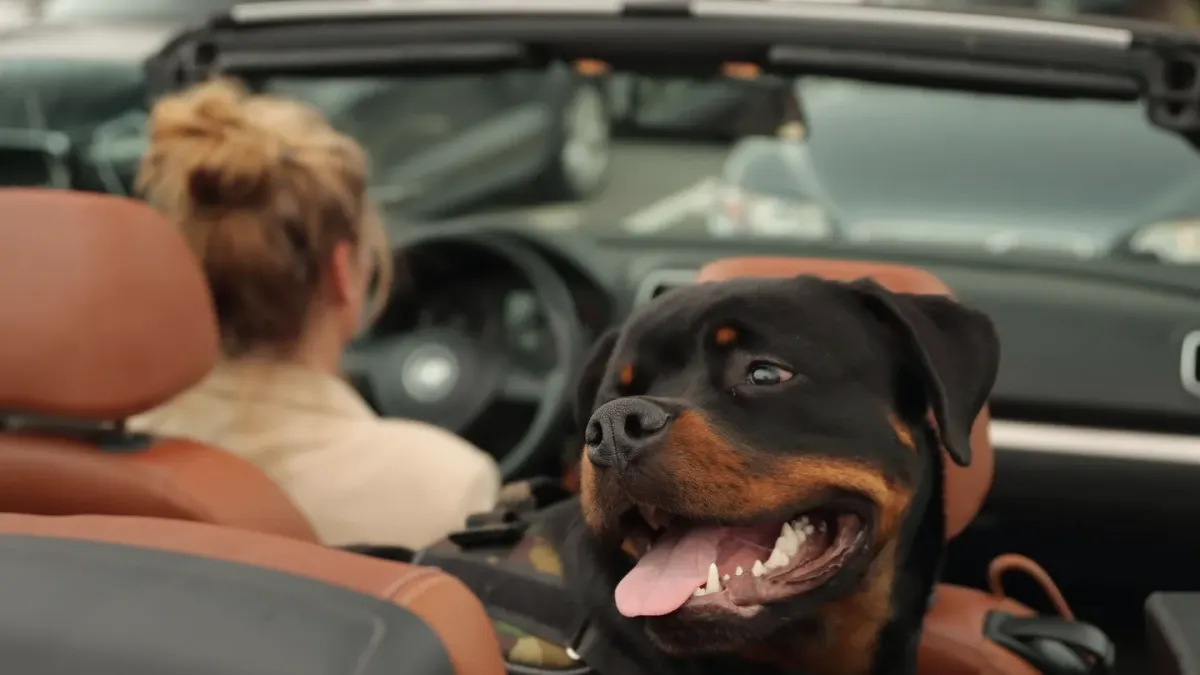
Last spring I talked to an owner planning her first tent trip with Milo, her 4-year-old, 68-pound Labrador who pulls like a freight train when he smells squirrels. She had found a lakefront campground that said “dogs welcome” in big letters, already had the fire pit picked out in her head, and wanted to know if she needed tick prevention early. We pulled up the actual park page together and found the catch: dogs allowed on the tent pad and paved loop, but not on any of the dirt trails, not at the swim beach, and never left alone at camp. She could still book it, but it was not the off-leash adventure she had pictured for a high-energy young Lab.
That gap is the whole game here. “Dog-friendly” usually means tolerated under strict rules, not invited everywhere.
Pick your fork: basecamp dog or trail dog?
Decide what kind of trip you want before you search, because it changes everything else.
If you want a basecamp dog trip, your dog hangs at your site while you day-trip without him. You need shade, a quiet loop away from playgrounds, and a clear policy that dogs can be left attended or in a vehicle safely. If you want a trail dog trip, your dog hikes every mile with you. You need dog-open trails, not just a dog-open campsite.
Most disappointment comes from booking a basecamp setup and expecting a trail-dog vacation.
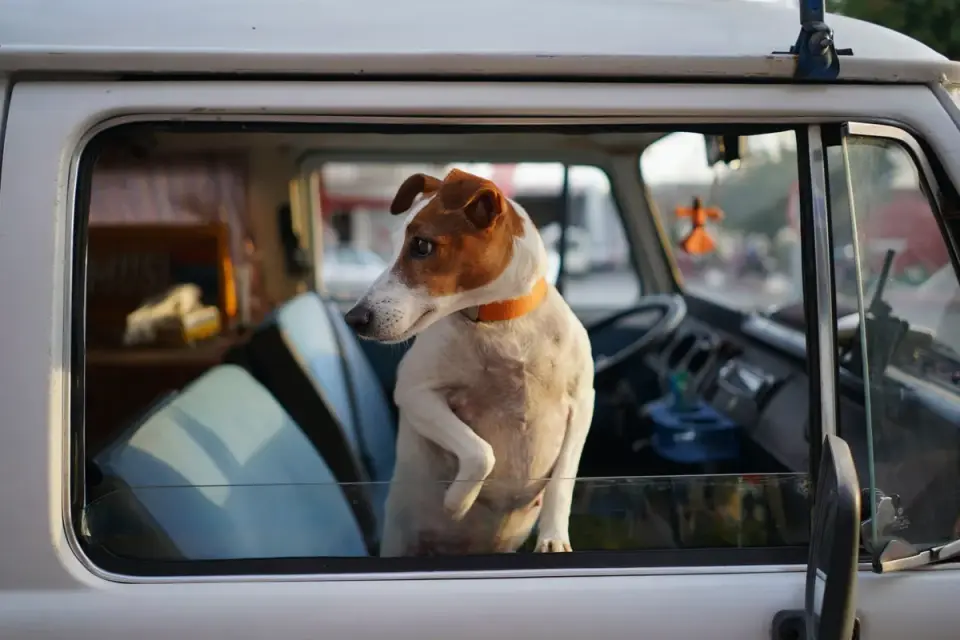
Be honest about baseline behavior, too. A reactive dog, a dog who barks at wildlife, or a puppy still building recall may help support a calmer trip with a low-traffic, private site rather than a packed holiday-weekend loop. Preventive planning beats mid-trip management.
The National Park Service spells out this split well: many parks allow pets in campgrounds and developed areas but restrict them on trails, in backcountry, and on beaches to protect wildlife and other visitors.
Read past the filter
Search filters lie by omission. A green paw icon often means “not banned,” not “welcome.”
I learned this with another family who booked a “dog-friendly” mountain site for a long weekend with their 2-year-old, 42-pound cattle-dog mix. Three weeks in advance they had the tent, the long line, the bear canister. By day 2 at camp, they were taking turns sitting out hikes because the scenic trails around the lake were all no-dogs, the campground required a 6-foot leash at all times, and their dog barked at every elk smell. They did nothing wrong. They just trusted the filter instead of the management page. They left a day early, frustrated and exhausted.
That is the tradeoff to check. Private campgrounds are often more permissive on paper but denser and louder. Public lands are often quieter but stricter by zone.
My rule: find the official rules page, then confirm three things in writing.
Check the U.S. Forest Service guidance for the specific forest you are considering, because leash orders, wilderness rules, and food-storage orders vary forest by forest, not just state by state.
- Where dogs can and cannot go, by name — campground loops, named trails, water access.
- Containment rules — leash length, tie-out bans, never-unattended language, crate rules.
- Extra fees, breed or number limits, and proof of vaccination required at check-in.
Call the ranger station if trails are not listed by name. Expectation first: if staff cannot tell you which trails take dogs, do not book for a hiking trip.
Size matters here too. My overview on Traveling With a Small Dog vs a Large Dog: The Real Differences can help you judge space, heat risk, and leash handling at camp.
The edge cases that change the plan
Not every dog camps the same way. An 11-year-old, 58-pound senior Lab with stiff hips changed how I counsel camp selection entirely. Her owners had booked a sloped, walk-in tent site a quarter-mile from parking because it looked private. By day 3 she was refusing the short climb to water, panting at night, and sore in the morning. They moved her sleeping pad next to the car for the last night and she settled. For seniors, I now prioritize drive-up sites, level pads, close potable water, and short evening-loop access over scenery.
Wildlife, heat, and water are the other edge cases. High-altitude sun still overheats dark-coated dogs. Giardia and leptospirosis risk varies by water source and region, so ask your vet about vaccines and bring enough clean water rather than relying on the creek. Pack out waste even on dog-open trails.
That is straight Leave No Trace Center for Outdoor Ethics practice: dispose of waste properly, control pets, and respect wildlife closures.
It helps to think through transport and transitions before you go. If you are driving in, my breakdown on Dog Car Seat Belt vs Crate vs Barrier: Which Restraint Is Safest? covers ride-in safety, and if camp food will differ from home, use A 7-Day Dog Food Transition Schedule (And When You Actually Need Longer) to avoid a mid-trip gut upset.
Bottom line: book the site that fits the dog in front of you — trail access, containment rules, and sleeping setup in writing — and the photos become a bonus, not a trap.
Sources
- Pets in National Parks — National Park Service
- Pets — U.S. Forest Service
- The 7 Principles — Leave No Trace Center for Outdoor Ethics