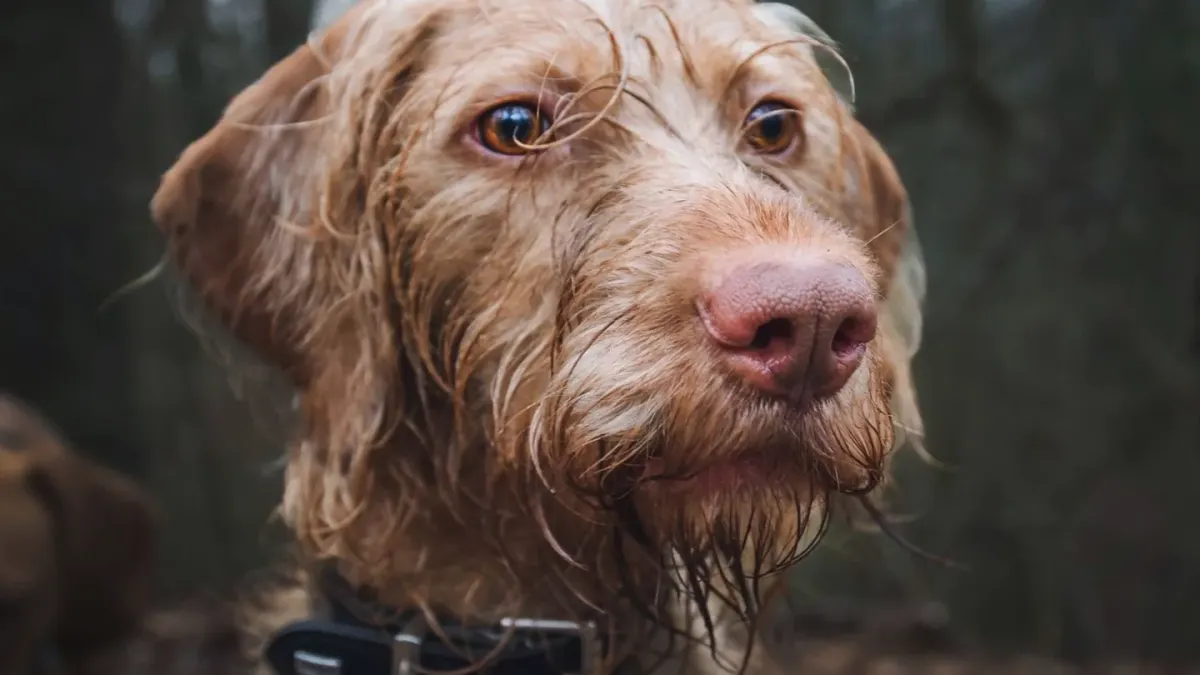
If your For You Page is full of corkscrew tails and butt-bath demos right now, same — that tail-pocket gunk check has suddenly become a whole thing, and honestly it deserves to be.
This is not a full bath every time. In day-to-day practice I see far more irritation from over-scrubbing than from missing a day, so my default is simple: wipe when you can, rinse when you need to, and let the skin tell you which one won.
The quick checklist I use before I touch the tail:
- lukewarm water + soft cloth or fragrance-free pet wipe — no alcohol, no hydrogen peroxide, no essential oils
- dog-formulated gentle shampoo only if there is odor or debris that water will not lift
- lift, do not pull — support the tail base and clean folds with a separate section of cloth
- pat completely dry, especially in screw-tail folds where moisture may help maintain yeast overgrowth
- stop and call your vet for bleeding, swelling, scooting over 48 hours, foul fishy discharge, or pain
That last line matters more than the first four. Home care supports healthy skin around the anus and tail, but it does not empty impacted anal sacs or fix infection.
A 4-year-old English Bulldog I followed for recurrent tail-fold odor is a good example of the decision in real life. His owner noticed a musty smell every evening on the couch during a humid August week, plus brown waxy buildup under the tight screw tail. She had been doing full baths twice a week to chase the smell, and the skin underneath was pink and damp, not better. We switched her to a once-daily unscented wipe with a lift-and-air-dry pause for about 20 seconds, with a warm-water rinse only on Sundays for three weeks. By day 10 the odor at arm’s length was gone and the cloth came away tan instead of dark brown, which told us maintenance was working without stripping the coat.
Is this a wipe day or a rinse day?
Wipes handle most days. For routine fecal specks, pollen, or light debris on a fluffy tail, a damp soft cloth or fragrance-free pet wipe is enough, and it preserves skin oils that frequent shampoo removes. The ASPCA grooming guidance emphasizes gentle handling and avoiding harsh products, which fits here — no scrub brushes, no scented baby wipes with alcohol.
Rinse when odor lingers after wiping, when stool has matted into long feathering, or when you see gritty debris in a tail fold. Use lukewarm water, a pea-sized amount of dog-formulated shampoo if needed, then rinse thoroughly. Residue left behind itches more than dirt does.
If you are debating bath frequency overall, my piece on How Often Should You Bathe a Dog? The Real Answer, By Life Stage walks through when less really is more.
The rinse I actually do when wipes are not enough
Work tail-up, rear-last. Brush out loose hair first — dry debris comes off easier before water hits it, especially on setters and long-haired Dachshunds where feathering traps everything. For more on that feathering problem, see Grooming a Long-Haired Dachshund’s Feathering: The Actual Routine.
Then wet only the soiled zone with lukewarm water, not hot. Support the tail at the base with one hand and clean in the direction of hair growth with the other. For screw tails, bulldogs, and pugs, lift the fold with a finger wrapped in damp cloth and wipe once, refold the cloth to a clean side, and repeat. Never dig with cotton swabs inside the anus.
Rinse twice as long as you soaped.
Pat dry. I mean truly dry.
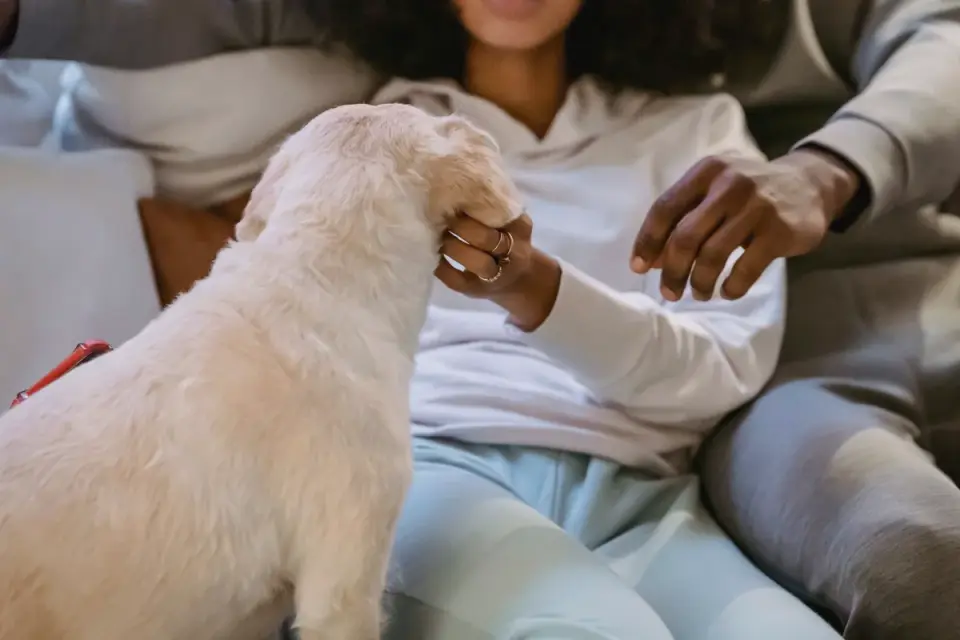
Moisture left in a fold may help maintain the warm environment where yeast and bacteria thrive, so prevention lives or dies on the dry step. A dry soft towel plus a few minutes of air exposure while you offer treats works for most dogs. Skip powders, cornstarch, and diaper creams unless your veterinarian specifically directs them.
A 68-pound Golden Retriever with classic post-lake tail soup taught me where this goes wrong. After six swims in one July week, his owner was doing a full soapy wash of the underside of the tail every single evening because it smelled swampy. By night five the hair under the tail was tacky despite rinsing, and he started scooting twice per walk and licking until the skin looked raw. We cut back to plain warm-water rinses after swims with no shampoo on four of those nights, added a thorough towel-dry and a 10-minute air-dry on the porch, and saved shampoo for one weekly bath. The scooting stopped within two nights, which was our signal the barrier was recovering, not that we had cured anything.
That tradeoff repeats constantly: more soap feels cleaner in the moment and dries skin out over the week. If you find yourself bathing the rear more than twice a week for smell alone, that is a vet conversation, not a shampoo problem. Over-bathing can disrupt skin barrier lipids, a point I break down in Can You Bathe a Dog Too Often? What Actually Happens to the Skin.
When the tail pocket changes the rules
The usual wipe-and-dry advice bends for dogs with deep tail pockets, docked-tail dimples, or very tight corkscrews. Those folds trap moisture even when you think you dried well, and home care supports comfort but may not fully maintain healthy skin if infection sets in.
Look during cleaning for redness that does not blanch, yellow-green discharge, a sharp sour or fishy odor that survives a rinse, swelling at 4 and 8 o’clock around the anus, or pain when you lift the tail. Anal sac issues often show up here as scooting, licking, or sudden sitting. The VCA Hospitals overview of anal sac disease notes that impaction and infection need veterinary care, not deeper home cleaning, and the Merck Veterinary Manual describes how perianal skin disease can progress when underlying inflammation is missed.
Do not try to express anal glands at home because a video told you to. In practice that is how painful sacculitis gets missed.
A senior mixed-breed, age 11, with arthritis and a low-carried tail showed me the exception clearly. Her owner could not lift the tail safely without the dog sitting from hip pain after a 0.4-mile walk, and every rear wipe turned into a struggle. Instead of forcing it, we moved to stand-while-sniffing wipe-downs with a warm damp cloth, no lifting, plus trimming a half-inch of hair around the anus with blunt-tipped shears every three weeks for airflow. When a fishy odor persisted past 48 hours despite that gentler plan, she went in for an anal sac check rather than another bath. Bending the technique kept trust intact and still caught the real problem.
Keep sessions Fear Free-short: treats, breaks, and done before stress stacks. If your dog needs restraint to tolerate tail handling, pause and ask your vet or groomer for a hands-on demo.
Where I land for most dogs: wipe often, shampoo rarely, dry always, and let persistent odor or scooting send you to the clinic instead of the tub.
Frequently asked questions
How often should I clean my dog's tail area?
For most dogs, spot-clean as needed when you see debris or odor and do a full rinse only when wipes will not get the area clean. Dry thoroughly every time, and ask your vet if you need rear baths more than twice a week.
Can I use baby wipes around my dog's tail?
Use fragrance-free, alcohol-free pet wipes or a damp soft cloth instead. Baby wipes with fragrance or alcohol can irritate perianal skin, especially in folds.
What are signs I should stop home cleaning and call the vet?
Bleeding, swelling near the anus, yellow-green or foul fishy discharge, pain when lifting the tail, nonstop licking, or scooting beyond 48 hours. Those signs can point to anal sac disease, fold infection, or perianal inflammation that needs an exam.
Sources
- Dog Grooming Tips — ASPCA
- Anal Sac Disease in Dogs — VCA Hospitals