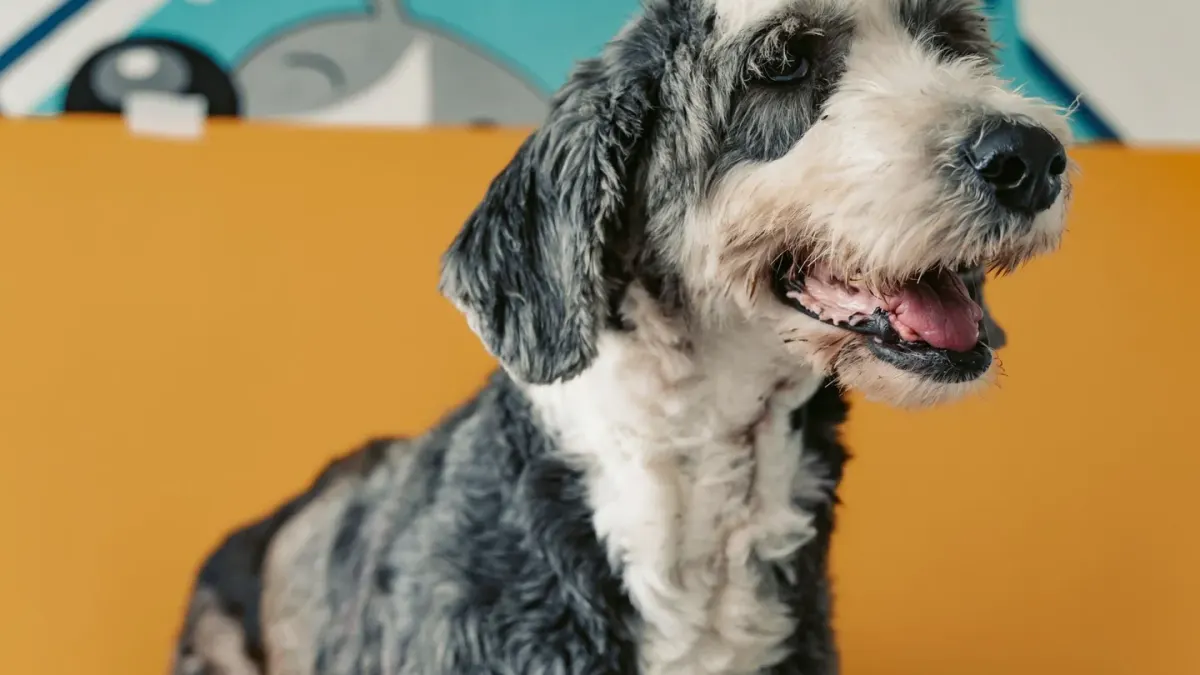
You should most often dry your dog after every winter walk that leaves damp fur, paws, or belly. That is the short answer I give in day-to-day practice, because winter wetness is rarely just water.
Dry every time if you see any of this:
- Damp legs, belly, beard, or feet — even light snowmelt counts
- Salt, sand, de-icer grit, or wet sidewalk film on paws
- Snowballs between toes, in armpits, or behind ears
- Shivering, hunching, slow walking, or seeking warmth after coming inside
- Long coat, short coat with thin skin, puppy, senior, or low body condition
- Rain, sleet, deep snow, or temps near freezing with wind
Skip the full towel-off only when the coat stayed completely dry, paws look clean, and skin feels warm and dry to the touch.
The wet-bellied terrier who made the rule concrete
She was a 4-year-old, 22-pound terrier mix I saw through two winters of itchy paws and red belly skin. Her owner did quick neighborhood loops and figured a shake-off was enough because the snow looked clean. By day 10 of a salty, slushy stretch, the pattern was obvious: licking front paws at night, pink skin between the toes, and a faint crust along the lower belly where meltwater had sat. We changed nothing except the entry routine — warm-water paw rinse when gritty, thorough towel dry including toes and groin, then a quick brush once dry. Three weeks in, the licking had faded and the belly looked calm again. That sequence is why I prioritize drying as prevention, not pampering.
Drying supports normal skin barrier function by removing prolonged moisture and irritants. The ASPCA notes that salt and de-icers can irritate paws and that wiping paws after walks may help maintain comfort, and the American Veterinary Medical Association advises wiping paws and checking for cracked pads and bleeding during cold weather. I stay honest where the preventive evidence is thin: no study proves a towel prevents every hotspot or crack, but the mechanism is straightforward and the downside is almost zero.
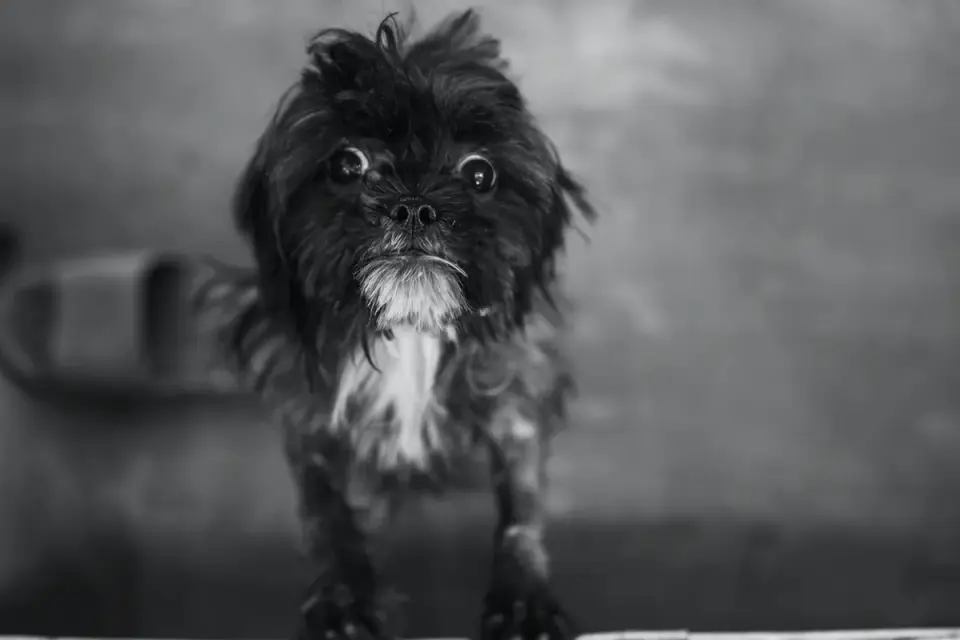
The blow-dryer shortcut that backfired
A client with a 7-year-old, 68-pound doodle tried to solve dampness faster by blasting him with a hot human dryer after every snowy walk. By week two, the dog hid at the doorway, his outer coat looked frizzy, and his flank skin was dry and flaky where heat had hit the same spot. High heat dries human patience faster than dog fur. We switched to pressing with an absorbent towel, combing out snowballs instead of yanking, and finishing with a cool or low-warm pet dryer held moving at a distance. The coat lay flat again and entries got easier. It supports what I see often: technique matters more than tools.
Use lukewarm paw rinses, not hot water. Press, do not rub, especially on feathering and beards. Check between every toe, under the tail, in armpits, and behind ears where moisture hides. If you use balm or a light conditioner, apply it to clean, dry paws and follow label directions.
Dry coat care connects to bathing more than owners expect. Over-bathing can leave skin drier in winter, so timing matters as discussed in How Often Should You Bathe a Dog? The Real Answer, By Life Stage and Can You Bathe a Dog Too Often? What Actually Happens to the Skin. Brushing after drying also helps prevent mats, as outlined in How Often Should You Brush Your Dog?.
The senior who changed my paw-only rule
He was a 12-year-old, 48-pound Labrador who barely got wet above the ankles on short winter outings. For most dogs that would be a paws-only dry. But this dog had thin foot fur, early arthritis, and a habit of standing in slush. After a 15-minute walk at dusk, his feet stayed cold and damp for nearly 20 minutes indoors, and he licked one carpal pad raw. VCA Hospitals describes how prolonged cold and wet exposure can lower body temperature and lists shivering, weakness, and cold skin as warning signs. Seniors lose heat faster.
That is the edge case to remember.
For sturdy adults with dry coats, a paw check may be enough. For puppies, seniors, small breeds, greyhounds, and dogs with arthritis, kidney disease, or very lean bodies, dry more thoroughly and watch recovery. If shivering lasts, gums look pale, or the dog seems dull or unsteady, warm gradually and call your veterinarian promptly.
Where I land on every-walk drying
The strongest counterargument is fair: drying every time feels fussy, and many dogs walk in light snow and come home looking dry. My answer stays the same because looking dry and being dry are different, and salt hides invisibly.
Towel the damp zones every winter walk. Rinse when gritty. Check toes, belly, and ears. Keep it calm and quick.
Sources
- Cold Weather Safety Tips — ASPCA
- Cold Weather Pet Safety — American Veterinary Medical Association