On this page
It’s 6 a.m. and Maddie’s owner is standing in the driveway in slippers, watching a blue dot move across a map app instead of running down the block yelling a dog’s name. Maddie, a two-year-old mixed-breed with a habit of bolting the second the gate latch sticks, had slipped out again. Twenty minutes later her owner found her three streets over, sniffing a fence line, because a collar-clipped GPS unit had pinged her location the whole time. That’s the promise of a GPS tracker for a dog that runs — not that the running stops, but that finding them stops being a guessing game.
Why Do Dogs Run Off in the First Place?
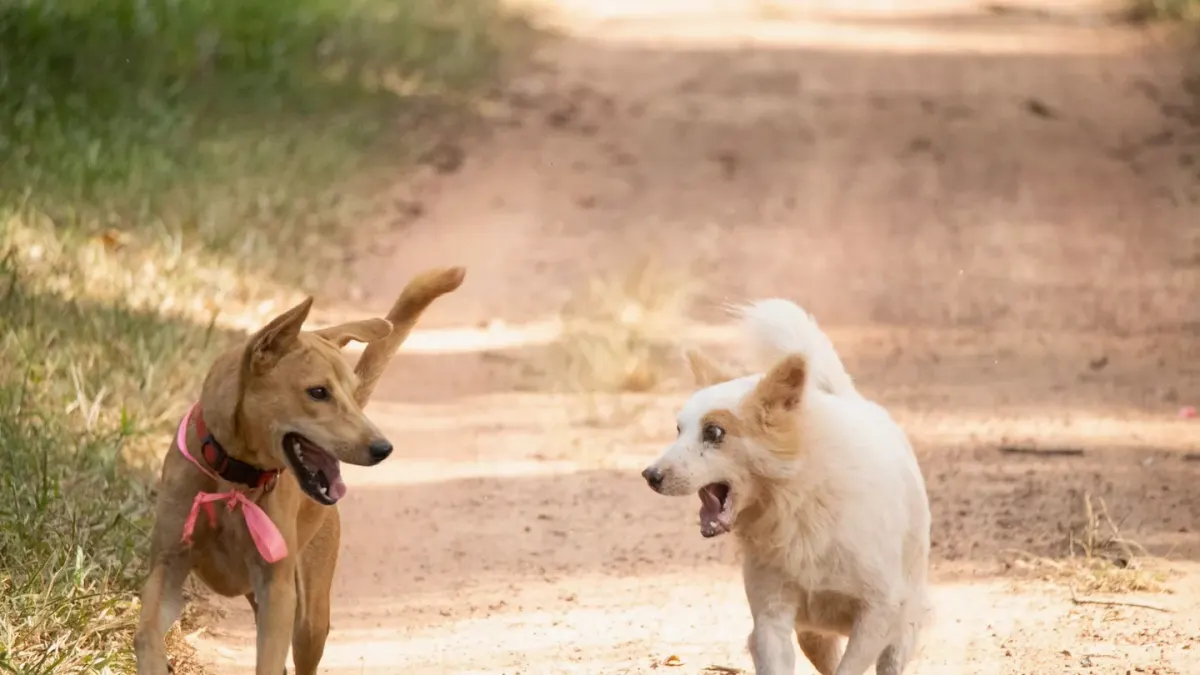
Before shopping for hardware, it helps to know what you’re actually solving for. Dogs bolt for a handful of recurring reasons: fear of a loud noise, an unaltered dog’s reproductive drive, boredom, or plain social isolation. Humane World for Animals notes that identifying the trigger — a gate left open, a storm, a squirrel — is usually more useful long-term than any single piece of gear. Some dogs also escape as part of separation anxiety, and those attempts tend to be more extreme, sometimes causing self-injury around doors and windows as the dog tries to get back to its person, according to the ASPCA. If your dog has a calming-supplement conversation on the table, our vet-reviewed Q&A on signs your dog needs a calming supplement walks through when that’s actually the right lever to pull.
Boredom and under-exercise show up constantly in escape cases too. A dog digging under a fence at 2 p.m. daily is often telling you something about its day, not just testing the perimeter.
Does a GPS Tracker Actually Help?
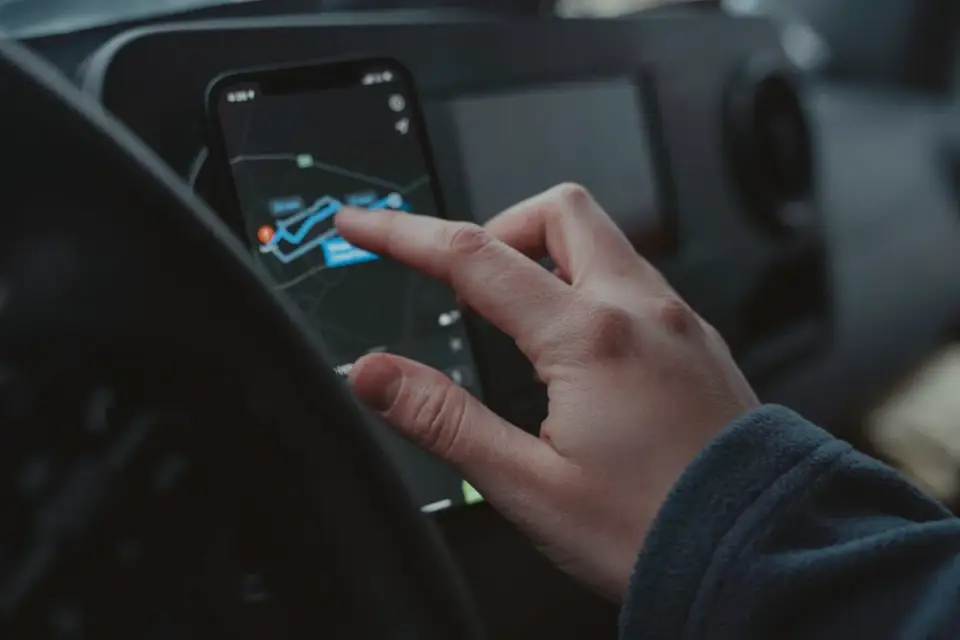
Yes, for the specific job it’s built for: shortening the time between “gone” and “found.” A GPS tracker clips onto the existing collar and uses cellular or radio networks to relay a live or near-live location to an app on your phone. Many models also support geofencing — a virtual boundary around your yard that triggers an alert the moment the dog crosses it, sometimes before you’ve even noticed the gate is open. That head start matters. The San Diego Humane Society points out that escape-prone dogs are also more likely to be hit by cars or become lost for extended periods, so anything that compresses the search window is a genuine safety win, not just a convenience feature.
What Should You Look For in a GPS Dog Tracker?
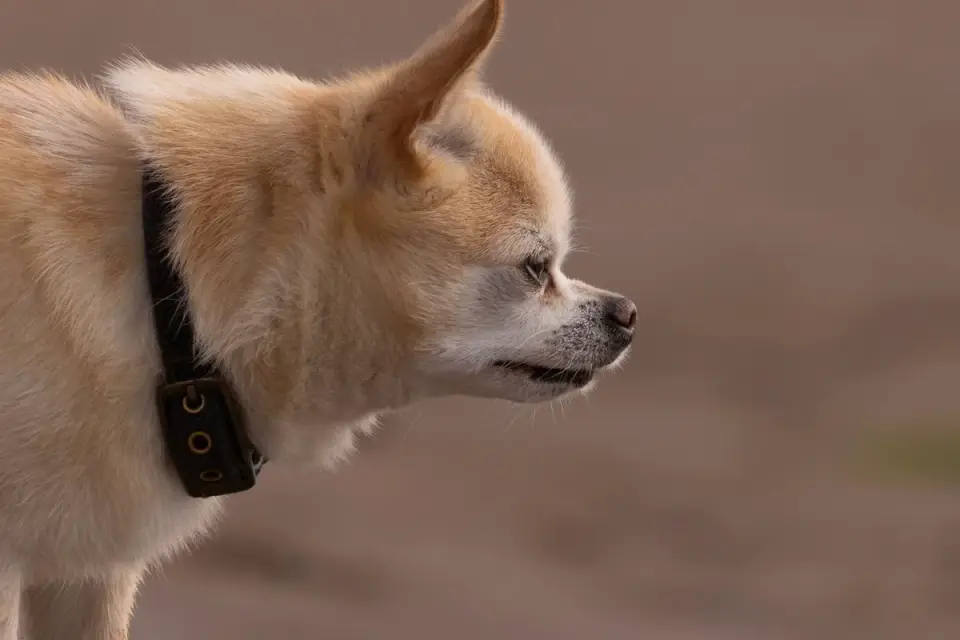
A few practical questions matter more than brand hype. What network does it use, and does that carrier have decent coverage where you actually walk and hike? How long does the battery last in active tracking mode versus standby, since a dead tracker is just a dead weight on the collar? Is there a subscription fee layered on top of the hardware cost, and does the geofence alert arrive fast enough to be useful? Weight and size matter for small breeds — a tracker built for a Labrador can be genuinely uncomfortable on a ten-pound terrier. None of these questions have a universal right answer; they depend on your dog’s size, your terrain, and how far your dog tends to get before you notice.
Is a GPS Tracker a Substitute for a Microchip?
No, and this is where a lot of owners get confused. A microchip is a permanent, battery-free ID implanted under the skin that a shelter or clinic scanner can read to confirm ownership — it cannot be tracked and has no location function at all. A GPS tracker is the opposite: a battery-powered, removable device that reports live location but proves nothing about ownership if the collar falls off. The two tools solve different failure modes, which is why shelters and veterinarians generally recommend both a registered microchip and, for dogs with a documented escape habit, a GPS tracker on top of it.
What Else Can You Do to Stop the Running?
Gear buys time; it doesn’t fix behavior. Secure gate latches, fence modifications for diggers or climbers, spay or neuter surgery where reproductive drive is a factor, and addressing separation anxiety with a trainer or veterinarian all address the actual cause. A dog’s overall wellness routine plays a supporting role too — gut and coat health don’t stop a dog from bolting, but a comfortable, well-regulated dog is generally a calmer one, which is part of why our team also covers baseline wellness topics like choosing a probiotic for dogs as part of a broader stability picture.
A tracker that never gets charged is worse than no tracker at all, because it creates false confidence.
Bottom Line
A GPS tracker won’t stop a dog that runs, but it will very likely help you find that dog faster once it does — treat it as one layer in a stack that also includes a registered microchip, secure fencing, and an honest look at why your dog keeps heading for the gate.
Frequently asked questions
Is a GPS tracker the same thing as a microchip?
No. A microchip is a permanent ID that a shelter or vet clinic can scan to confirm ownership — it has no battery and cannot be tracked in real time. A GPS tracker is a separate, battery-powered device, usually clipped to the collar, that reports live location. Most trainers and shelters recommend having both.
Will a GPS tracker work if my dog runs into the woods or a dead zone?
Most consumer GPS trackers rely on cellular networks to relay location, so coverage can drop in remote areas, dense tree cover, or underground spaces. Check a tracker's stated network coverage and consider a backup ID tag with your phone number for areas with poor signal.
Can a GPS tracker stop my dog from running away?
No, a tracker only helps you find your dog after they've left — it doesn't address why they're running. Some trackers include activity or geofence alerts that notify you the moment a dog leaves a set boundary, which can shorten the search window, but the underlying cause still needs attention.
Sources
- Separation Anxiety — ASPCA
- Keep Your Dog From Running Away By Knowing Why They Escape — Humane World for Animals
- Behavior Challenges: Escape Behavior in Dogs — San Diego Humane Society