On this page
Your For You page says every doodle needs daily brushing and every Husky needs a summer shave. I get why that advice sticks — it is confident, fast, and filmed on a cute dog — but in day-to-day practice coat type decides almost everything about grooming, and the wrong routine can irritate skin even when you mean well.
I saw this split last spring with a 4-year-old, 68-pound Labrador mix whose owner was brushing for an hour a night and still finding tumbleweeds on the couch, convinced she needed the doodle routine she’d seen online. Her dog had a dense, smooth double coat that shed in sheets, not mats, and the long-pin slicker was just skating over dead undercoat while scratching skin underneath. Once we switched her to a short rubber curry for loose hair and a twice-weekly routine outside, the shedding pile shrank by day 10 and the dog actually leaned into brushing instead of walking away.
That is the decision fork worth making early: is your dog shedding loose hair, felting into mats, or holding a harsh texture that needs stripping or clipping? Your answer points to the tool and the schedule.
Smooth, short, and “easy” coats still need a plan
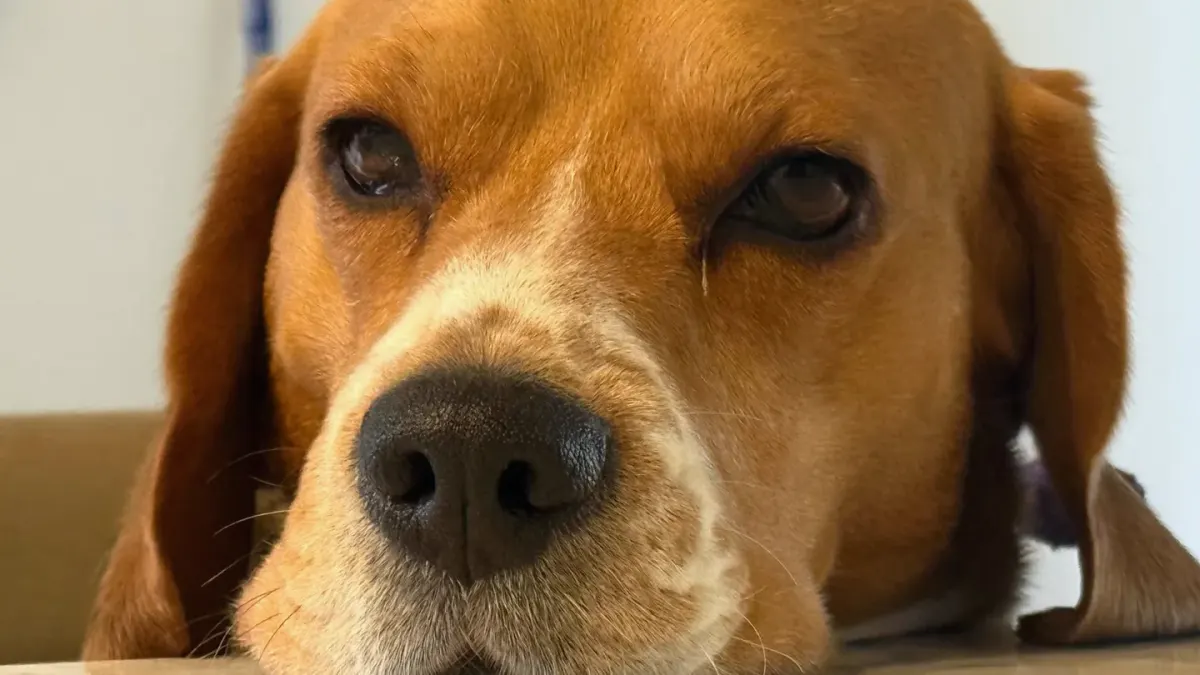
Short-haired dogs shed more than people expect because each hair has a short growth cycle. You will see it on dark clothes, car seats, and along baseboards, especially in spring and fall.
For these coats I favor a rubber curry or soft bristle routine over a sharp slicker. Short, gentle strokes lift dead hair and distribute skin oils, which supports a shiny coat and may help maintain comfortable skin when you keep pressure light. The American Kennel Club groups grooming guidance by coat and life stage, which is a useful starting point when you are sorting marketing claims from basics.
Bathe only when dirty or smelly with a mild dog shampoo, rinse well, and dry thoroughly. In practice, most smooth-coated dogs do fine with weekly brushing and a bath every month or two unless allergies or a skin condition change the plan.
Coat type decides the tool.
If you live with a beagle, Boxer, or similar short coat, my detailed tool walkthrough in Best Brush for a Short-Haired Dog covers pressure, frequency, and what to skip.
Double coats shed — don’t shave the problem
Labradors, Huskies, German Shepherds, and many mixes carry a soft undercoat under longer guard hairs. That undercoat blows seasonally, and shaving it rarely makes shedding stop. It can damage regrowth, reduce sun and temperature protection, and leave the coat patchy for months.
Brush in layers instead. Work with an undercoat rake or wide comb first, then follow with a bristle or rubber tool to catch surface hair. Brush to the skin without scraping it, and check high-friction spots like behind the ears, the collar line, thighs, and tail base. If you are staring down a seasonal blow, How to Groom a German Shepherd Through Coat Blow lays out the order that actually clears undercoat without over-bathing.
Middle case: A 2-year-old, 42-pound doodle came in after three weeks of what the owner called low-maintenance curl care — a quick slicker pass once a week and a bath when he looked dirty. Under the fluffy top layer, the undercoat had felted into wide mats behind the ears and in the armpits, and the skin underneath looked pink and tender when we parted it. The failed tradeoff was bathing without fully drying and line-brushing first, which tightens mats instead of loosening them. We had to clip those spots short to let air back in and restart with small sections.
That tradeoff is common with dense coats. More baths without complete drying and section-by-section brushing often makes matting worse, not better. The American Veterinary Medical Association notes that basic grooming includes regular brushing, bathing as needed, and prompt attention to skin changes, which matches what I see when mats hide redness or odor underneath.
Curly, wavy, and long silky coats mat from the skin out
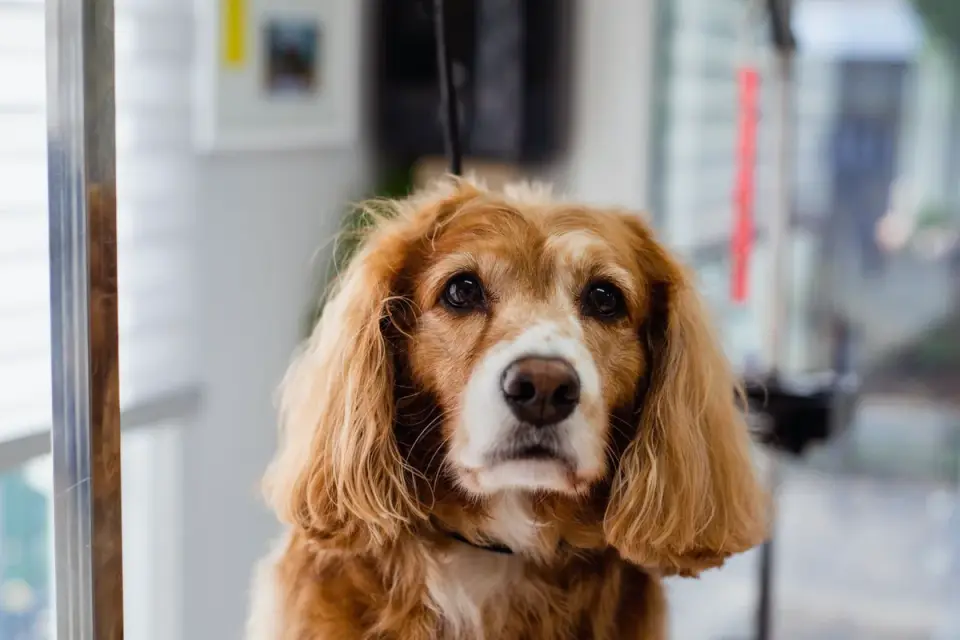
Poodles, doodles, Bichons, Shih Tzus, Yorkies, and long-haired Dachshunds do not shed much loose hair, so loose hair stays trapped and tangles. What looks fluffy on top can hide tight mats at the skin, especially in armpits, behind ears, around the collar, and under a harness.
For curls and waves, line brushing is the skill that matters. Lift a small section, brush from skin outward with a slicker, then check with a metal comb to the skin. If the comb snags, there is still a tangle. Keep sessions short and pair them with treats so the dog stays relaxed. A Fear Free-style setup — non-slip mat, calm voice, breaks for lip licking or moving away — supports cooperation and may help maintain trust around grooming over time.
Silky long coats tangle a little differently. Feathering on ears, legs, belly, and tail catches burrs and forms wispy knots rather than dense felt. A wide-tooth comb plus light detangling, working from ends toward skin, usually clears them without pulling. My full routine for Poodle Grooming Schedule and Coat Care: What Actually Prevents Mats explains how often to brush, when to clip, and where owners most often miss mats.
The strongest counterargument here is that daily full brushing prevents all mats, so more is always better. I understand the impulse, yet in practice aggressive daily slicker work on clean, dry curls can cause brush burn while still missing the base. I would rather see three careful line-brushing sessions per week with a comb check than rushed daily passes over the top.
Wire, harsh, and combo coats play by different rules
Terriers, Schnauzers, and some sporting breeds grow a wiry topcoat that protects a softer undercoat. Clipping softens texture over time, while hand-stripping pulls dead harsh hairs to preserve color and feel. Neither is right for every pet home, and both take technique to do without irritating skin.
If your dog has this coat, ask your groomer or veterinarian which method fits your goals. Show dogs often stay stripped, while many pet homes choose clipping for comfort and simplicity. Either way, keep eyebrows and beard combed to prevent food mats, strip or trim paw pads for traction, and watch for redness, itching, or flakes after grooming. The Merck Veterinary Manual reviews skin and coat basics for owners, and I point people there when they want a plain-language refresher on what healthy skin should look and feel like.
Later edge: An 11-year-old, 18-pound wire-haired terrier mix with thinning hair and dry, flaky skin changed how I talk about harsh coats in seniors. The owner wanted to keep hand-stripping on schedule, but the coat was no longer growing back evenly and the skin stayed red for two days after plucking. That pattern can signal age-related coat change or an underlying skin issue, not a technique problem. We paused stripping, switched to gentle combing and clipping around sanitary areas, and booked a skin check that week to rule out medical causes before deciding on any future grooming plan.
Honest caveat from practice: the preventive evidence for supplements, coat oils, and special shampoos is thin compared with the basics of brushing technique, diet quality, and parasite control. A shiny coat usually follows consistent home care and veterinary prevention, not a viral add-on.
My take after practice: routine beats tools
Match the schedule to the coat you have. Smooth coats need frequent light shedding work. Double coats need seasonal undercoat clearing without shaving. Curly and silky coats need line brushing to the skin and a comb check. Wire coats need a deliberate choice between stripping and clipping, plus extra attention with age.
Start small, stay consistent, and bring in help when mats tighten, skin looks sore, or the coat changes suddenly.
Frequently asked questions
How do I tell what coat type my dog has?
Part the hair to the skin in a few spots. A dense fuzzy layer under longer hairs signals a double coat, curls that spring back and trap hair signal a curly or wavy coat, long flowing hair signals a silky coat, and stiff, bristly hair signals a wire coat. When in doubt, ask your groomer or veterinarian at the next visit.
Should I shave my double-coated dog for summer?
In most cases, no. The undercoat and guard hairs help with temperature regulation and sun protection, and shaving can lead to uneven regrowth. Focus on undercoat removal, shade, water, and vet-approved cooling strategies instead.
How often should curly-coated dogs be brushed?
Many do well with line brushing to the skin several times per week plus a comb check, with professional grooming every 4 to 8 weeks depending on length and lifestyle. If the comb snags at the skin, increase section-by-section work or book a groomer before mats tighten.
Sources
- Dog Coat Care Basics — American Kennel Club
- Pet Grooming and Coat Care — American Veterinary Medical Association
- Skin and Coat Care for Dogs — Merck Veterinary Manual