On this page
If your dog comes in dusty but not dirty, a wipe can be enough — and that distinction decides almost everything about grooming wipes.
They showed up on my feed as the fix for bath-hating dogs: one swipe for tear stains, one for paws, one for that corn-chip smell. The pitch is tempting because it promises clean without the tub, the towels, or the wrestling match. In day-to-day practice, I do use wipes, but I use them narrowly. They support surface freshness between real grooming. They do not replace brushing, bathing, or a look at irritated skin.
The 4-year-old, 68-pound Lab mix I saw on a muddy-spring Tuesday is the classic case. He hiked daily, his belly and paws picked up trail grit, and his owner wanted to wipe him head to tail every night instead of bathing monthly. His skin looked fine, his coat smelled faintly dusty, and his paw pads were a little gritty but not red. We kept the full bath on schedule, added a paw-only wipe at the door, and skipped the full-body wipe-down. By day 10 his coat still looked clean and his owner was doing half the laundry.
The TikTok promise vs. what a wipe can actually do
A grooming wipe is a pre-moistened cloth with water, mild surfactants, and sometimes conditioning agents or fragrance. It lifts loose dirt, saliva, eye discharge, and surface odor. It does not degrease a greasy coat, rinse out pollen trapped near the skin, or remove mats.
That matters because canine skin runs more neutral than ours and dries out when over-cleaned. VCA Hospitals notes that bathing frequency should fit the dog and coat, not a fixed calendar, which is exactly how I think about wipes too.
Where wipes earn a spot
Think touch-ups, not baths:
- Paw pads and between toes after walks, especially in rain, mud, or road salt season
- Muzzle and chin after meals for flat-faced breeds and bearded dogs
- Around the eyes for daily eye goop, using a separate wipe from the paws
- Rear-end touch-ups for older or arthritic dogs that struggle to groom themselves
- Spot cleans for a small patch of dirt when a full bath would be overkill
Wipes support home care here. They may help maintain comfort by removing grit before it gets licked and chewed.
Where wipes do not earn a spot
Skip them as a daily full-body routine, on broken skin, hot spots, rashes, or itchy ears that smell yeasty. Wiping traps moisture in folds and ear flaps and can make irritation worse.
I’m honest where the preventive evidence is thin: no wipe prevents allergies, infections, or dental disease, and none balances skin pH by itself.
The wipe that backfired taught me the real rule
The tradeoff case was a 2-year-old, 24-pound French Bulldog with lip-fold odor, seen three weeks into daily fragranced wipe use. Her owner was doing everything right on paper — gentle wipes, every morning, plus a wrinkle balm at night. But the folds stayed faintly damp, the smell turned sour, and the skin under her chin looked pink and a little bumpy. We stopped the scented wipes, switched to a dry soft cloth most days with only occasional plain-water cleaning followed by thorough patting dry, and booked a recheck instead of adding more products. Her folds looked calmer by week two.
Moisture plus fragrance is the combination I watch most.
That is why I tell owners to read the wipe like a shampoo label. Choose fragrance-free or lightly scented, alcohol-free, and made for dogs. Avoid strong perfume, essential oils, and harsh antiseptics unless your own veterinarian directed them. If the label lists methylisothiazolinone or heavy fragrance near the top, put it back.
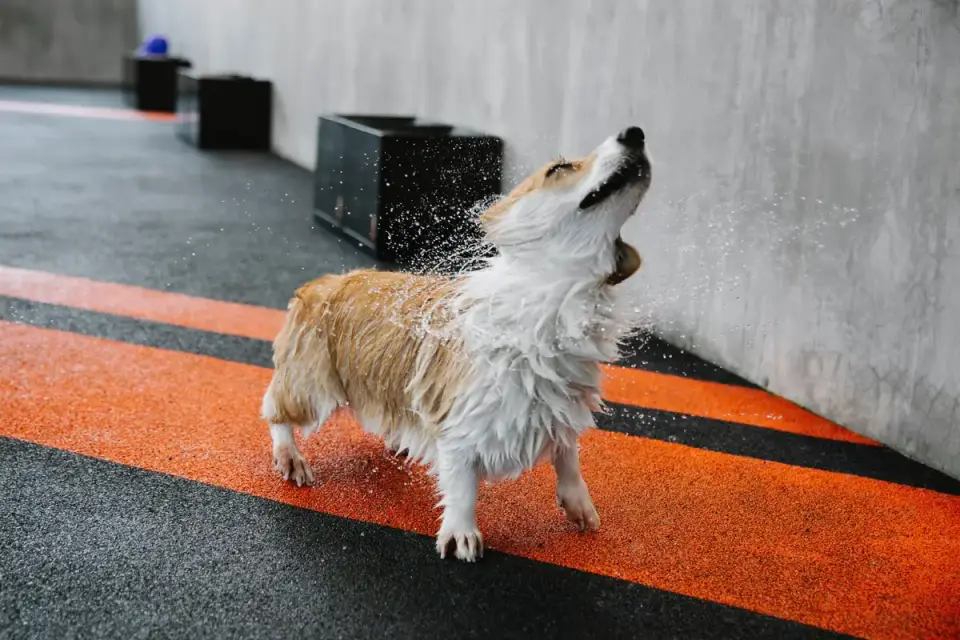
Friction matters as much as formula. One soft pass is enough.
How I actually use them without overdoing it
Use one wipe per area — do not take a paw wipe to the face. Wipe in the direction of hair growth, then check the wipe. Clear to light gray dirt is normal touch-up territory. Green, brown, or bloody discharge is not a wipe problem.
Pat folds and paws dry afterward. That single step prevents most of the maceration I see.
Short version: wipes are maintenance, not treatment.
The edge case owners miss
The surprise was a 9-year-old, 52-pound senior who hated the tub after a back injury. Her owner wanted unscented wipes as a bath replacement, and on paper it sounded kinder. But her rear coat felt greasy at the base, her nails were clicking on tile, and her skin under the collar smelled musty by day 14. Wipes were polishing the topcoat while oil and shed undercoat built up underneath. We moved her to warm-water spot baths with a washcloth, kept wipes only for paws and face, and spaced out professional help using the same logic I use for At-Home Grooming vs a Professional Groomer: How to Actually Decide. Her comfort improved because we stopped asking wipes to do a bath’s job.
If your dog needs frequent full cleanings for odor, oil, or itch, ask why. That question leads to brushing routines like the ones for Poodle Grooming Schedule and Coat Care: What Actually Prevents Mats or Grooming a Long-Haired Dachshund’s Feathering: The Actual Routine, or to a vet visit — not to a bigger pack of wipes.
So are they worth it?
Yes, in a small basket by the door. Keep an unscented, dog-formulated pack for paws, faces, and spot messes, and let brushing and appropriately timed baths do the heavy lifting. The American Veterinary Medical Association frames grooming as routine preventive care rather than cosmetic upkeep, and wipes fit best as the in-between that keeps that routine workable.
If wiping becomes daily full-body work, if skin stays red past 48 hours, or if odor returns within a day of cleaning, stop and get eyes on the skin.
Sources
- Pet Grooming — American Veterinary Medical Association