On this page
Maya showed up on my feed three times last Tuesday, jogging stroller in one hand, coffee in the cupholder, a 68-pound Labradoodle named Moose trotting like a show dog on her left. No pulling, no barking at the wheels, no near-miss with a parked car. The comment section was feral for a tutorial. I get it. That clip makes training a dog to walk next to a stroller look like a weekend project. In the exam room, the version I hear is different, and my expectation-first counseling starts here: most dogs need three weeks of boring foundation work before the stroller ever leaves the driveway, and the 18-month-old adolescent dog lunging at pigeons today can still become that calm stroller partner by day 21 if you train position before motion.
Here is the fork I want you to sit with early. Do you teach a true side-by-side heel next to the wheels, or do you keep the dog-and-baby logistics separate with a partner, a waist leash, or solo walks until the behavior is solid? My recommendation is clear: commit to the side-by-side heel, but only on one cue, on one side, after the dog can walk loosely on leash without props.
The strongest counterargument is convenience. Plenty of capable owners just clip the leash to the stroller handle, add a front-clip harness, and hope management does the work. I understand the appeal when sleep deprivation is real. I still land on structured training because a stroller adds rolling noise, bulk, and zero hands for a timely leash correction, and a bike adds speed that turns a small lunge into a crash.
The video makes it look easy — the wheels tell another story
Dogs do not generalize well. A dog who heels beautifully on a quiet trail may panic the first time a stroller canopy snaps open or a bike whirs past his shoulder. Wheels move in a dog’s lower visual field, they vibrate, and they trap interesting smells underneath. That novelty triggers startle, chase, or herding in a lot of sporting and herding breeds.
Foundation matters more than equipment. The American Veterinary Society of Animal Behavior emphasizes reward-based methods for building reliable behavior with less stress, and that principle is exactly how I teach stroller manners: mark and reward position, keep sessions short, and let the dog opt into proximity.
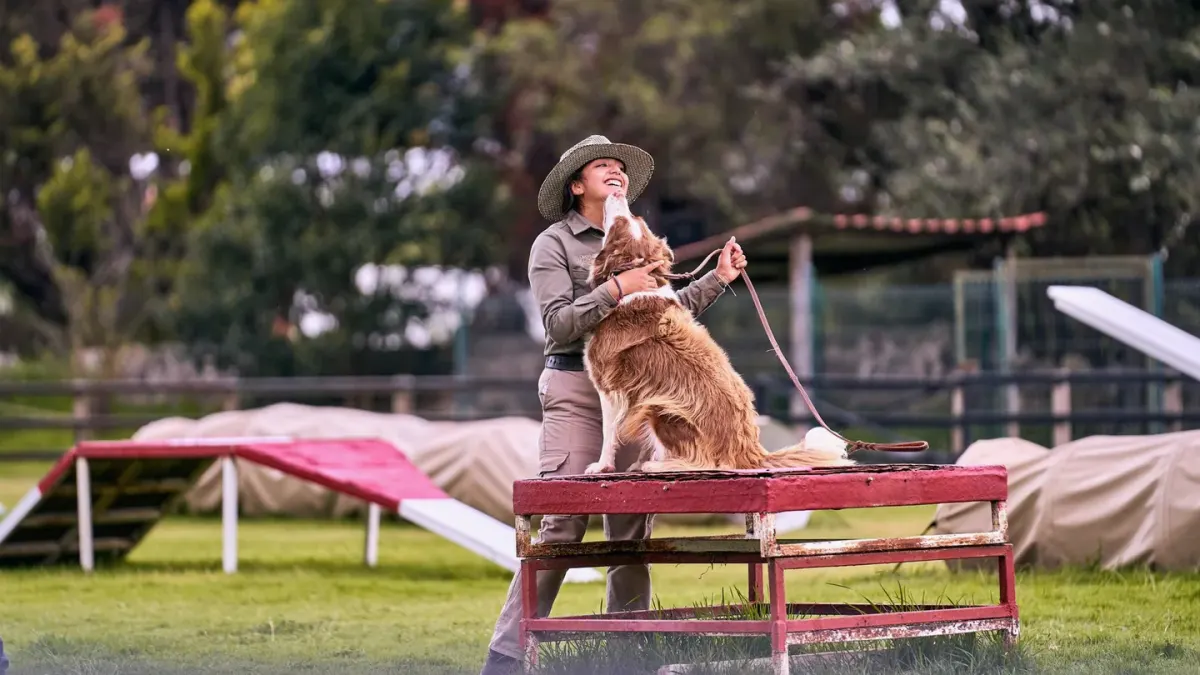
I start every client with a stationary stroller in the living room. Treat for sniff-and-disengage. Treat for sitting beside the parked wheels. Treat for walking past it indoors on leash. Only then do we roll it six feet across the driveway.
Stroller first, sidewalk second
Pick one side and keep it. I usually assign the dog to the left and the stroller to the right, or vice versa for a reactive dog who needs more curb buffer, and we never switch mid-walk. Teach a formal cue like “with me” that means shoulder at my hip, not a casual “let’s go.”
My stepwise order looks like this: loose-leash basics with no stroller, parked-stroller desensitization, moving empty stroller in a quiet parking lot, then short real walks with a helper pushing while you handle the dog. If you need a refresher on mechanics, my notes on How to Use a Training Treat Pouch Effectively cover reward timing that makes or breaks this stage.
Reward density should be almost embarrassing at first. Every two to three steps in position earns a pea-sized treat in week one.
She was a second-time mom with a 4-year-old, 42-pound cattle dog mix who had nailed indoor manners but had never seen a jogging stroller. Three weeks in, she tried to shortcut the plan and looped the leash over the handlebar for a sunset walk because the baby was fussy and the dog needed exercise. The dog spooked at a storm drain grate, hit the end of the leash, and tipped the empty storage basket sideways while the owner grabbed for the brake with her foot. No one was hurt, but her note that night said the dog now barked at the stroller from across the garage. We went back to parked-stroller feeding for five days, rebuilt the moving-stroller reps without the baby, and by day 10 the dog was choosing the left-side station again for cheese. The tradeoff was clear: combining baby, dog, and wheels before fluency cost her a week.
A front-clip harness or head halter can help you manage while you train, and the American Kennel Club outlines the same loose-leash foundation I use before adding distractions. Equipment never replaces the cue.
Short sessions win.
Bikes are not just faster strollers
This is where I get blunt with clients. A stroller moves at 2 to 3 mph with frequent stops. A bike cruises at 10 mph with no easy bailout. Do not hand-hold a leash on handlebars, and do not tie a dog to a bike frame with a regular leash.
Dogs need to be physically mature, conditioned, and rock-solid on cue around traffic before bike work. Most of my bike patients train a “trail” position slightly behind the rear wheel on a purpose-built bike leash with a quick-release, plus a solid emergency stop and leave-it at speed. Pavement heat, distance, and pull angle all matter, and brachycephalic breeds, giant puppies, and seniors are often poor candidates for sustained running.
If your dog struggles with arousal around joggers or squirrels on foot, that behavior will amplify beside a bike. Get help earlier rather than after a scare. Owners weighing formats often benefit from reading Are Dog Training Classes Worth It? A Vet’s Honest Breakdown and Group Classes vs Private vs Online Training: Which One Actually Fits Your Dog before booking bike-specific sessions.
He was a road cyclist with a lean 2-year-old, 55-pound pointer who could already run five miles on a trail leash without pulling. The edge case showed up at an intersection, not on the open road. A bus air brake hissed as they waited at a curb, the dog startled left toward the front tire, and the owner realized his stop cue meant “slow” to him but “sit and stare” to no one in particular. They spent the next two weekends proofing a chin-to-thigh emergency tuck on grass, then reintroduced traffic at walking pace with the bike dismounted. That tucked position, rewarded heavily for just three seconds of stillness at first, is what now keeps the dog clear of wheels when brakes squeal. Speed was never the problem. The missing stop behavior was.
So, is the matching-set walk worth training?
Yes, if you train it like a sport skill and respect the timeline. Expect two to four weeks for stroller fluency in an adult dog with decent leash manners, longer for adolescents or fearful rescues, and treat bike-joring as a separate conditioning project with veterinary clearance.
My preventive baseline is simple: one side, one cue, high early reward rate, never leashed to a moving handlebar, and no baby on board until the dog can pass the empty stroller on a narrow sidewalk without breaking position. What would change for your household if you gave the dog three boring weeks to learn the wheels before asking for the Instagram version?
Frequently asked questions
Where should the dog walk relative to the stroller?
Keep the dog on one consistent side, usually opposite your pushing hand, with the shoulder at your hip. Consistent position prevents weaving in front of the wheels.
Can I attach the leash to the stroller or bike handle?
No. Attach to your body with a hands-free waist belt for stroller walks once trained, and use only a purpose-built quick-release bike attachment for cycling. Never tie a regular leash to handlebars.
How long does stroller training usually take?
Many adult dogs with basic leash skills learn parked and slow-moving stroller reps in 2 to 4 weeks of short daily sessions. Fearful, reactive, or adolescent dogs often need longer desensitization.
Sources
- Position Statements — American Veterinary Society of Animal Behavior