How to Teach Your Dog to Heel
Teaching a dog to heel means rewarding position at your side, in short sessions, before you ever add distance or distraction.

Every few weeks there’s a new leash gadget going viral, promising a dog that heels in a weekend. Here’s the fork: you can chase the gadget, or you can teach the actual skill, because the skill is what holds up once the treats run out and the sidewalk gets interesting.
Heel is not “doesn’t pull.” Heel is a specific position — the dog’s shoulder near your leg, head roughly level with your knee, leash slack — that the dog offers because staying there has paid off, repeatedly, in a lot of different places. That’s the whole mechanism. Everything below is how to build it.
Start in a boring room, not on the sidewalk. Your kitchen, your hallway, your fenced yard at 7 a.m. before the neighborhood wakes up — anywhere with close to zero competing smells and no other dogs walking by. Trying to teach heel for the first time on a Saturday morning sidewalk is like trying to have a first conversation in a nightclub. The dog can’t hear you over the environment.
Load the position before you move. Stand still. Hold a treat at your side, at the height of the dog’s nose when they’re standing next to your leg. Let the dog find that spot. The instant their shoulder is there, mark it — a clicker, or a clear “yes” — and feed. Do this ten or fifteen times in one short session. You’re not walking yet. You’re building the idea that this specific spot next to my leg is where good things happen.
Add single steps before you add a block. Once the dog reliably drifts into position for the marker, take one step, then mark and reward while they’re still there. Two steps. Three. If the dog forges ahead or lags behind, don’t yank the leash — stop moving, wait for the dog to reorient toward your side, then reward and start again. This position work is exactly the mechanism described by UC Davis School of Veterinary Medicine: UC Davis’s veterinary behavior service: reward-based leash training changes what the dog finds valuable, rather than punishing them for pulling.
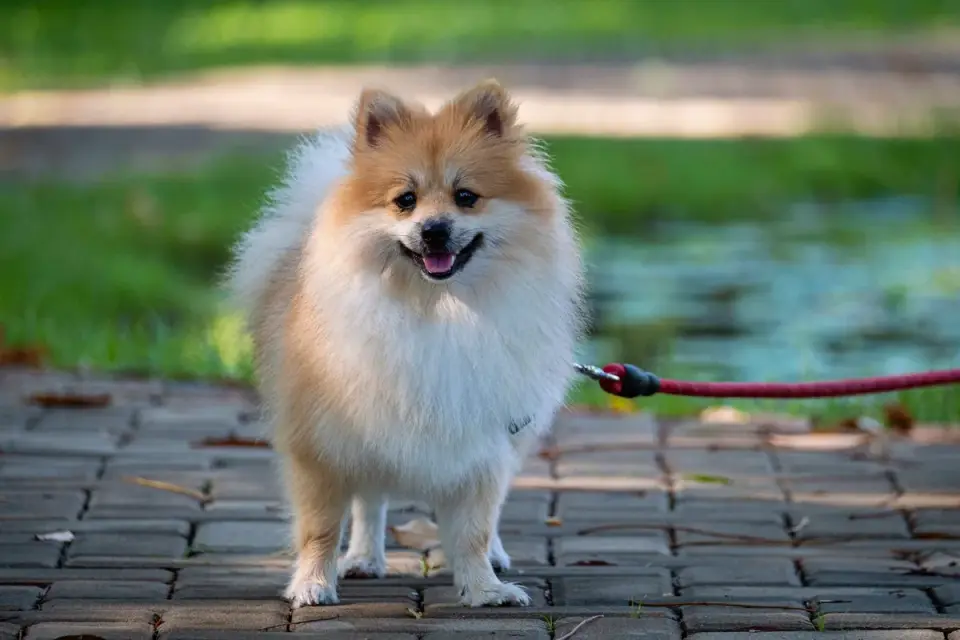
I had a client a few years back with a two-year-old Labrador named Otis, sixty-eight pounds, who’d learned that pulling worked — he got to the fire hydrant faster, so pulling kept paying off. His owner had tried a head halter for three days and given up because Otis rubbed his nose raw fighting it. We went back to zero: kitchen sessions only, for a full week, no leash at all, just marking position and feeding. By day nine we added the leash indoors. By week three we were doing five houses down the street before he broke position at a squirrel. The turning point wasn’t a tool. It was that his owner stopped walking him anywhere reinforcing until the indoor foundation was solid — a hard ask for a busy owner with a young dog, but it’s the difference between a dog who heels and a dog who’s fighting a halter for the next ten years.
Increase distraction in layers, not all at once. Once the dog holds position for a full lap of a quiet room, move to your driveway. Then the sidewalk in front of your house at a quiet hour. Then a park with dogs at a distance. Each new environment is effectively a new skill for the dog — expect them to regress a little at each layer, and lower your criteria back down rather than getting frustrated. This mirrors the graduated approach the American Kennel Club recommends: start in a low-distraction space, use a marker and reward for position, and only increase pace, turns, and environment once the dog is reliable at the easier level.
Skip the corrections. It’s tempting to reach for a leash pop or a verbal “no” when a dog forges ahead, especially with a strong puller. Resist it. The American Veterinary Society of Animal Behavior recommends reward-based methods for all dog training, including leash work, because punishment-based corrections carry real risk: they can suppress the behavior you can see (pulling) while doing nothing for the underlying reason the dog is pulling, and in some dogs they increase fear or defensive behavior around the leash and handler. If you’re troubleshooting a specific behavior problem layered on top of leash pulling, it’s worth reading about the difference between clicker and verbal marker training — the marker you choose matters less than using one consistently.
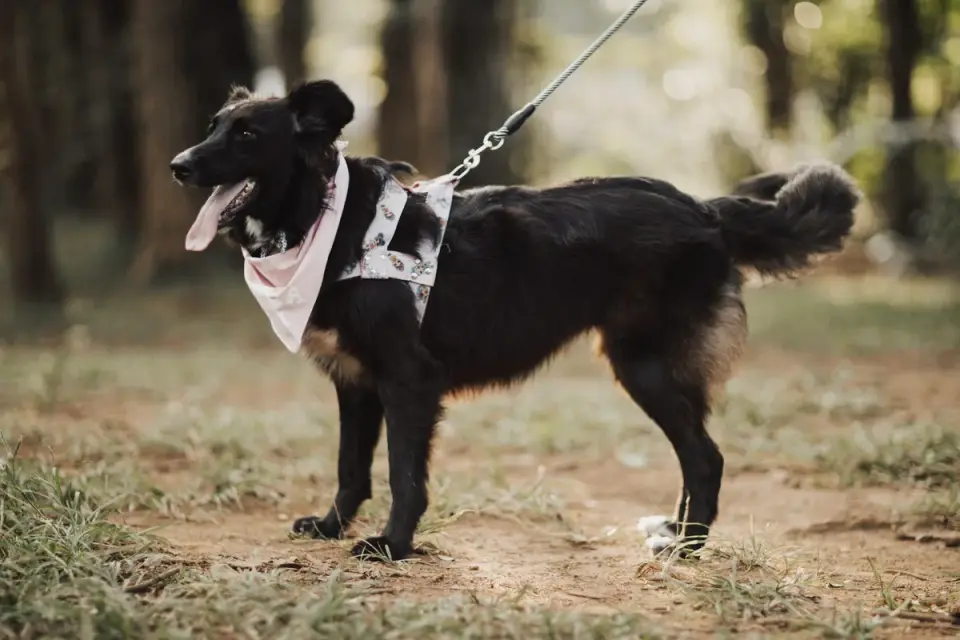
I still think about a rescue dog I worked with, a shepherd mix around a year old, who’d clearly been “trained” with a prong collar before he landed in foster care. He wasn’t a puller — he was frozen, glancing up at his foster’s hand every few steps, waiting for a correction that wasn’t coming anymore. Rebuilding his leash confidence took longer than teaching heel from scratch would have with a dog who had no history at all. We spent the first two weeks just rewarding him for choosing to walk near a person, no position requirement, no cue. That case is why I push back hard on “quick fix” leash tools that trend for a season and disappear — they can solve the pulling and create a different, harder problem underneath it.
Where this connects to the rest of training. A dog that heels reliably is usually a dog whose foundation skills — name recognition, a marker word, basic impulse control — are already solid. If you’re starting from scratch with a young puppy, it’s worth sequencing this after the basics in something like a puppy potty-training schedule, since a puppy who’s still working out house training rarely has the focus reserves for structured leash work too. And if the dog you’re working with is older and has started showing new reluctance to walk far — slowing down, sitting mid-walk, stiffness after resting — that’s worth ruling out as arthritis rather than normal aging stiffness before you assume it’s a training problem at all.
The verdict. The viral leash hacks aren’t wrong because they’re viral — some of them are just repackaged marker training with a new name. They’re wrong when they promise heel without the boring room, the short sessions, and the layered distraction work, because that’s not a shortcut, that’s a different, harder problem waiting to surface later. Build the position first. Add distance and distraction only once it’s solid. Skip the corrections. That’s the whole method, and it’s the one that still works after the trend cycles out.
Frequently asked questions
How long does it take to teach a dog to heel?
Most dogs show reliable position work indoors within one to two weeks of short daily sessions, but generalizing that to a distracting outdoor environment usually takes several more weeks of layered practice, according to the graduated approach described by the American Kennel Club.
Should I use a leash correction if my dog pulls out of heel?
The American Veterinary Society of Animal Behavior recommends reward-based methods over corrections for leash training, since punishment can suppress the visible pulling without addressing why the dog is pulling, and can increase fear or defensive behavior in some dogs.
What's the difference between heel and loose-leash walking?
Heel is a specific position at the handler's side; loose-leash walking is a broader goal of the dog not pulling anywhere on the leash, without a fixed position requirement.
Sources
- What are Reward-Based Training Methods for Dogs (and Cats)? — American Veterinary Society of Animal Behavior
- Teach a Dog to Heel: How to Train a Dog to Walk Beside You — American Kennel Club
- Loose Leash Walking — UC Davis School of Veterinary Medicine