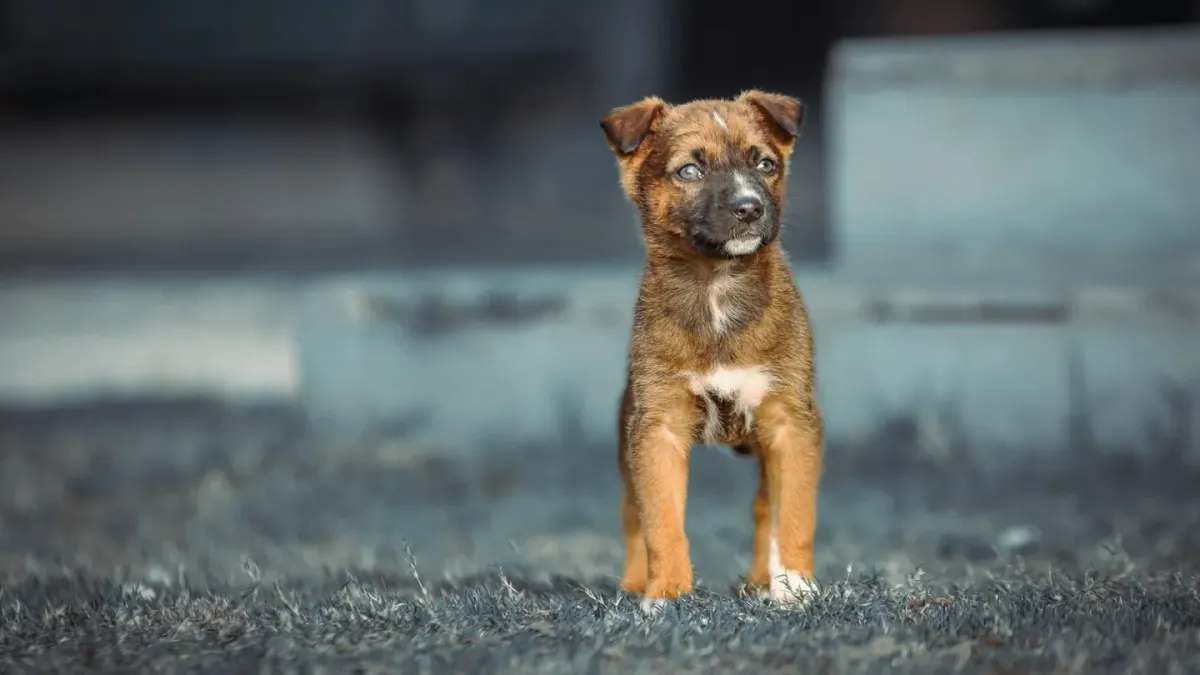
Your dog knows sit until the sky opens up, then suddenly you are talking to a raincoat with legs. That is the decision fork: do you repeat the cue louder until it frays, or do you rebuild it for wet weather from baseline?
I counsel owners to expect a 50% drop in reliability the first wet session and plan for it. Rain does not make dogs stubborn. It changes the sensory conditions the cue was learned under — muffled sound, flattened scent, stinging eyes, slick footing, plus higher arousal — and dogs generalize poorly across big context shifts unless we teach the transfer.
Last Tuesday-pattern case in my head: a 14-month-old, 52-pound Lab mix who held a 30-second sit-stay in a dry garage but broke at 8 seconds on a flooded sidewalk when a bus hissed past. The owner was weighing whether to correct or to restart with higher-value rewards in short reps. We restarted. Expectation first: heavy rain is a new classroom, not a final exam.
Why dry cues dissolve when it pours
Sound, scent, and footing all change at once
Learning is context-specific. A verbal cue learned in a quiet kitchen arrives differently when rain hammers gutters, hoods, and umbrellas, and a hand signal blurs behind water and low light. Wet grass also floods ground odor and changes traction, so a fast sit or down feels physically different. That stack explains why even a fluent recall can lag.
Positive-reinforcement methods hold up best under distraction, which is why the American Veterinary Society of Animal Behavior emphasizes reward-based approaches for building reliable behavior without fear or fallout.
Arousal narrows the dog’s bandwidth
Novel weather raises heart rate and scanning. Thunder rumble, splashing cars, cold spray on the face — all compete for attention. Research on training methods and owner-dog interaction, including the PubMed – Rooney and Cowan survey on methods and behavior, supports keeping sessions short and reinforcing when arousal is high rather than adding pressure.
Keep it preventive: structure over scolding, realistic timelines over a one-storm fix.
Rebuild it wet in three passes
1. Porch first: louder marker, closer distance
Start under cover, not in the deluge. Run five to eight reps of one cue only — recall or hand-target is ideal for rain. Halve your dry distance, raise your marker volume just enough to beat the patter, and pay every correct response for two days. If you use a clicker, switch to a loud verbal marker like “yes!” because clicks vanish in rain, a tradeoff discussed in practical proofing guides such as American Kennel Club.
For marker mechanics, review Clicker vs Verbal Marker Word: Which One Actually Trains Faster?.
2. Curb edge: add movement and wet gear
Next session, move to light rain for three to five minutes. Wear the noisy jacket, open the umbrella, let the leash get slick. Ask for the cue once, wait two seconds, then lure or gesture if needed and reward the follow. Two clean reps beats ten sloppy ones.
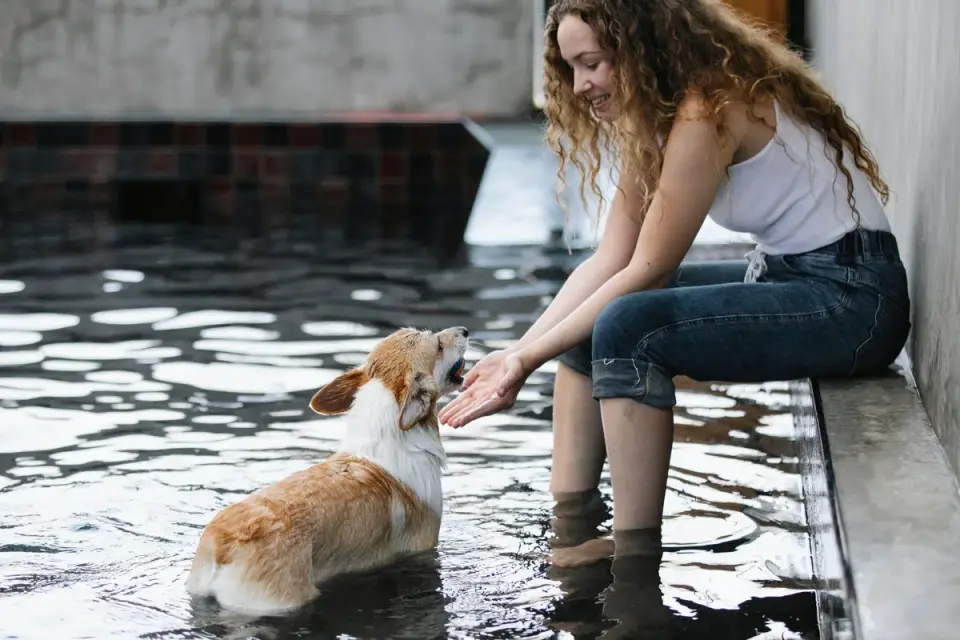
The middle-session slump is real. One composite picture: a 3-year-old, 18-pound terrier mix who nailed hand-targets on a covered porch across 12 straight reps, then missed four in a row when the owner stepped onto an unsheltered path in sideways rain and added distance too fast. The owner kept repeating “touch, touch, touch” while backing up, which only pooled water in the dog’s ears and frustration in both of them. The tradeoff was clear — pushing for the old 20-foot distance cost the cue itself. We cut back to 6 feet, paid with warm chicken, and quit after three wins. That reset may help support focus without flooding the dog.
Short sessions protect learning. If your dog trains better without food in dry weather, keep that system intact and just upgrade the payoff for rain; see Can You Train a Dog Without Treats? What Actually Works.
3. True downpour: one cue, one win, then inside
Only proof in heavy rain once porch and light-rain reps sit near 80% success. Pick a safe spot away from flooded drains and traffic, keep the dog on a secure 6-foot leash, and run a 90-second drill. Cue once. Mark and jackpot the correct response. End on success even if it was the only rep.
Watch footing and body language. Hard stops on slick paint, tucked tail, lip licking, or shake-offs between every rep mean arousal is too high to learn. Go inside and try again tomorrow. Low-stress handling preserves the cue for next time.
Where I bend the usual proofing rules
Standard advice says proof with the three Ds — distance, duration, distraction — in order. In heavy rain I bend that order and drop duration first.
Late-article scenario that changed my protocol: a 9-month-old, 41-pound sporting mix prepping for a group class graduation needed a 1-minute sit-stay, and the owner wanted to practice it through a storm forecast to last 4 evenings. In dry rehearsals the puppy held 55 seconds; in rain she popped up at 15 seconds, circled, and mouthed the leash. Instead of grinding duration, we kept sits to 5 seconds, rewarded the tuck on wet concrete, and built only distance to 10 feet and distraction from passing umbrellas. Graduation moved indoors anyway, but the owner kept a rain-reliable 10-second sit that generalized back to 40 seconds dry within a week. When safety or sensory load is high, duration is the wrong hill.
If you are deciding between formats for wet-weather coaching, compare Group Classes vs Private vs Online Training: Which One Actually Fits Your Dog.
My position is direct: reteach the cue for rain at half distance, double rate of reinforcement, and one distractor at a time. It is slower on paper and faster in practice.
What would change my mind is controlled evidence that correction-based proofing transfers faster to storms without increasing avoidance or shutdown. Current controlled and survey data do not show that benefit, and they do show higher risk of fear-related behavior. Until better data arrive, I stay with reward-based rebuilding.
Practical next step: pick one cue this week, log two covered-porch sessions, then test it for 90 seconds in real rain. Bring high-value rewards, keep distance short, and let a single clean rep be the win.
Frequently asked questions
Should I repeat the cue louder in heavy rain?
Ask once clearly, then help with a gesture or lure if needed. Repeating the word teaches the dog to wait for the third or fourth version.
How long should a rain proofing session last?
Keep true downpour work to 90 seconds to 5 minutes and end on a win. Do most reps under cover or in light rain.
What reward works best in rain?
Use soft, smelly, warm rewards the dog can eat fast, and pay every correct rep early. Dry biscuits often lose to storm distraction.
Is it safe to train in heavy rain?
Skip flooded roads, lightning, slick slopes, and poor-visibility traffic areas. Train under cover or on a safe, well-drained path on leash.
Sources
- Position Statements — American Veterinary Society of Animal Behavior
- Training methods and owner-dog interactions — PubMed – Rooney and Cowan