
You have two choices when your dog blows you off at the park: get louder, or get smarter about how you trained the cue in the first place. I vote for smarter every time.
I saw the trend again last week, the creator with the off-leash Labrador weaving through a packed picnic area, shouting “he just knows” while the dog surfed three blankets for sandwiches. The comments were full of “goals.” My exam-room version looks different. Last month I counseled an owner with a three-year-old, 48-pound Lab mix who had a perfect sit in the kitchen and zero sit near the playground. She felt embarrassed and worried she had a stubborn dog. She did not. She had a dog who had never been taught what sit means when squirrels, soccer balls, and french fries are in play. Expectation first: a cue is not learned until your dog can do it away from home.
That is what proofing actually is. You teach the behavior in a quiet place, then you systematically add the three Ds — distance, distraction, and duration — one at a time until the cue holds up in real life. The American Kennel Club describes the same layered approach in its training guides, and it matches what I recommend to clients: change only one variable at a time.
Stop testing, start staging the win
Most park failures are not disobedience. They are pop quizzes on material you never taught.
Think of your living room as kindergarten and the busy park as finals week. You would not jump straight from one to the other. Start with mild upgrades first. Practice on your front lawn, then a quiet street, then a parking lot edge, then the quiet corner of the park at 7 a.m. Keep your distance short and your rate of reinforcement high. If your dog can only hold a down-stay for five seconds with pigeons around, pay for five seconds.
This is also where humane methods matter most. The American Veterinary Society of Animal Behavior supports reward-based training over aversive tools, and in a stimulating environment that guidance is practical, not just philosophical. A dog who is worried about a leash pop or a shout cannot learn to think through distraction.
You want more reps where your dog succeeds, not longer reps where he fails.
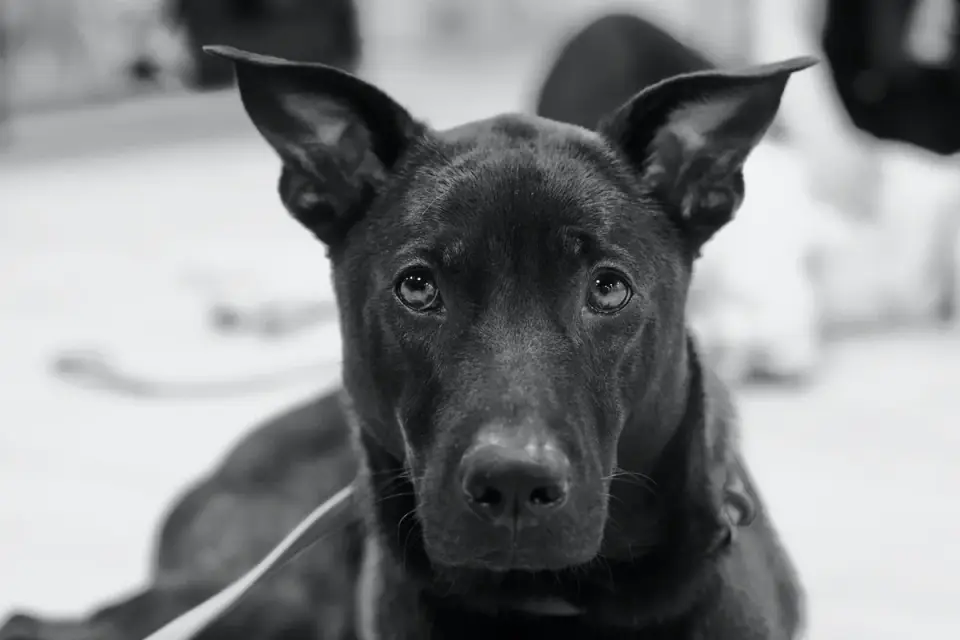
I worked through this with an owner who tried to fix recall by going straight to the off-leash hour with a six-month-old, 32-pound doodle puppy, by day 10 of trying she was hoarse and the puppy was faster. Three weeks in, recall was worse because every repetition taught the puppy that “come” means keep playing keep-away. We scrapped the park test and rebuilt it on a 30-foot long line in a tennis court lot. Short recalls, huge payoff, release back to play as the reward. The tradeoff stung: she had to give up off-leash freedom for a month to get reliable off-leash freedom later. That pause is what most videos skip.
My park-proofing sequence that actually holds
Here is the order I give clients. It is boring, and it works.
Pick one cue. Usually recall or sit-stay or loose-leash check-in. Train it to 80% reliable indoors first. Then add distance at home, then duration at home. Do not add park distraction until those two are solid.
Then go to the park but do not train in the middle of it. Work the edges. I call it the parking-lot rule: if you cannot get three easy wins in a row at 20 feet from the action, you are too close. Mark and reward the moment your dog notices a trigger and chooses you. That choice is the muscle you are building.
Short sessions beat marathons. Five focused minutes beats 40 frustrated ones.
If you use food, use the good stuff outside. Kibble indoors, chicken or cheese outdoors. You are not bribing. You are paying fair wages for harder work. For help picking a marker system, see Clicker vs Verbal Marker Word: Which One Actually Trains Faster? and if you are debating formats, Are Dog Training Classes Worth It? A Vet’s Honest Breakdown walks through when a group setting helps with exactly this distraction work.
The edge case nobody warns you about
The strongest counterargument I hear is fair: “If I always reward, will my dog only listen when I have treats?” It is a good question. My answer is still to reward heavily during proofing, because intermittent real-world pay beats fading pay too early.
Here is the nuance. I once followed up with an owner of a two-year-old, 61-pound shepherd mix who did beautiful proofing work for four weeks and then plateaued at the farmers-market edge of the park, by day 28 he would down-stay for dogs but broke for toddlers with ice cream. Toddlers move erratically, squeal, and drop food. That is not one distraction, that is three stacked together. We had to split it again: practice near a playground with no food first, then near food with no kids, then combine them at distance. Expectation reset changed everything.
Some dogs also hit a sensory ceiling. Noise-sensitive, adolescent, or undersocialized dogs may never love a Saturday noon park, and that is okay. Proof somewhere quieter. Your goal is a dog who can function safely, not a dog who performs for TikTok.
For dogs who struggle to focus without food, Can You Train a Dog Without Treats? What Actually Works breaks down play and real-life rewards that carry more weight in distracting places.
Your park cue is ready when you can get it on the first ask, from 15 feet away, with moderate distraction, and your dog looks relaxed doing it. Then — and only then — move closer, stay longer, or drop the leash pressure.
Frequently asked questions
How long does it take to proof a cue for the park?
Plan on several weeks of layered practice, not one weekend. Most dogs need short sessions across quiet, moderate, then busy locations before the cue holds near crowds, dogs, and food.
Should I use a long line when proofing recall at the park?
Yes. A 20- to 30-foot long line lets you practice real distance safely while you build reliability. It prevents your dog from rehearsing running off when you call.
What if my dog only listens when I have treats?
That usually means you faded food too fast for the difficulty level. Keep paying with high-value rewards in distracting places, then gradually vary to praise, play, and sniffing as earned rewards once the behavior is reliable.
Sources
- Humane Dog Training Position Statement — American Veterinary Society of Animal Behavior
- Proofing Behaviors — American Kennel Club