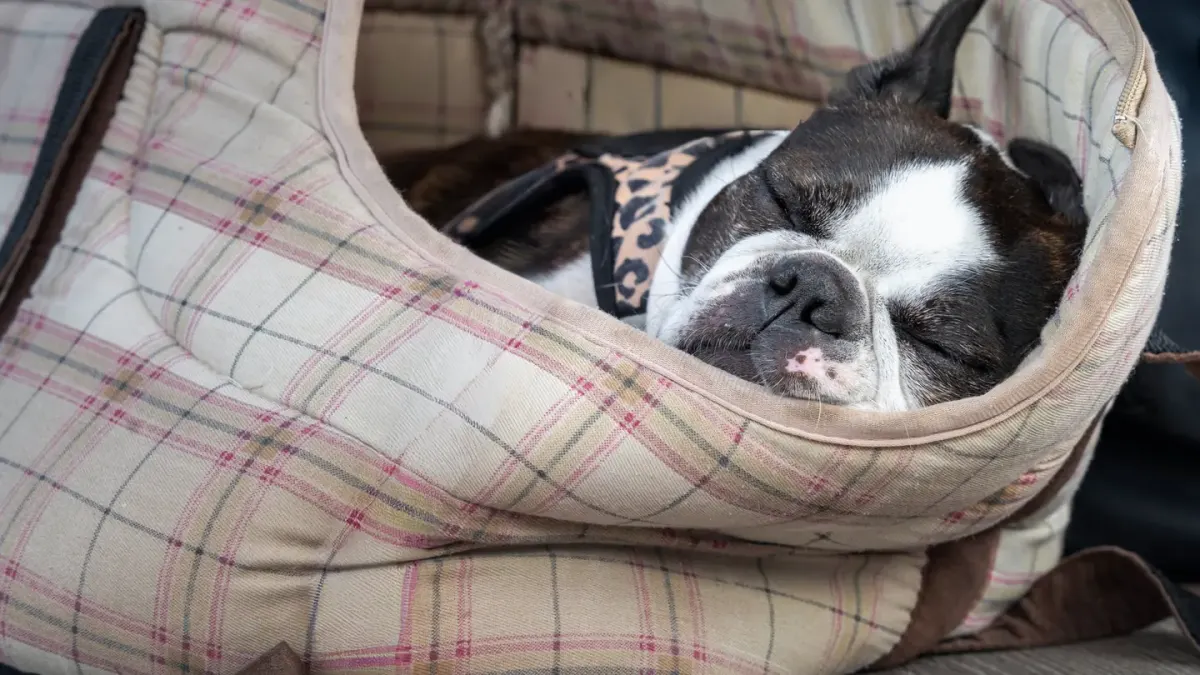
Your first decision is frequency versus flexibility: lock in stops every 2 to 3 hours, then move them earlier when your dog tells you to.
For most healthy adult dogs, that interval protects comfort, bladder capacity, and behavior. Puppies, seniors, and flat-faced breeds need it shorter. Make the plan preventive, not reactive. A dog that is already whining, pacing, or drooling heavily is past due.
Greg learned this driving from Alexandria, Virginia with Zuki, his 7-year-old spayed female Pit Bull Terrier. She started panting and refusing to resettle after three hours straight, so he cut the next leg to 90 minutes with a shaded sniff walk and water. She slept the following two hours.
Stop before your dog has to ask
Set a timer. Offer water, a potty break, and 5 to 10 minutes of sniffing on leash.
Keep your restraint system consistent at every stop, whether you use a crash-tested harness, crate, or barrier. If you are still deciding, read Dog Car Seat Belt vs Crate vs Barrier: Which Restraint Is Safest? before you load the car. Leash before you open any door, every time.
The American Veterinary Medical Association recommends planning for confinement, ventilation, and frequent stops when traveling with pets, plus securing pets and never leaving them unattended in a vehicle.
Do a quick body check at each stop. Look at gum color, breathing rate, leash behavior, and whether your dog actually urinates.
Hydration matters more than mileage.
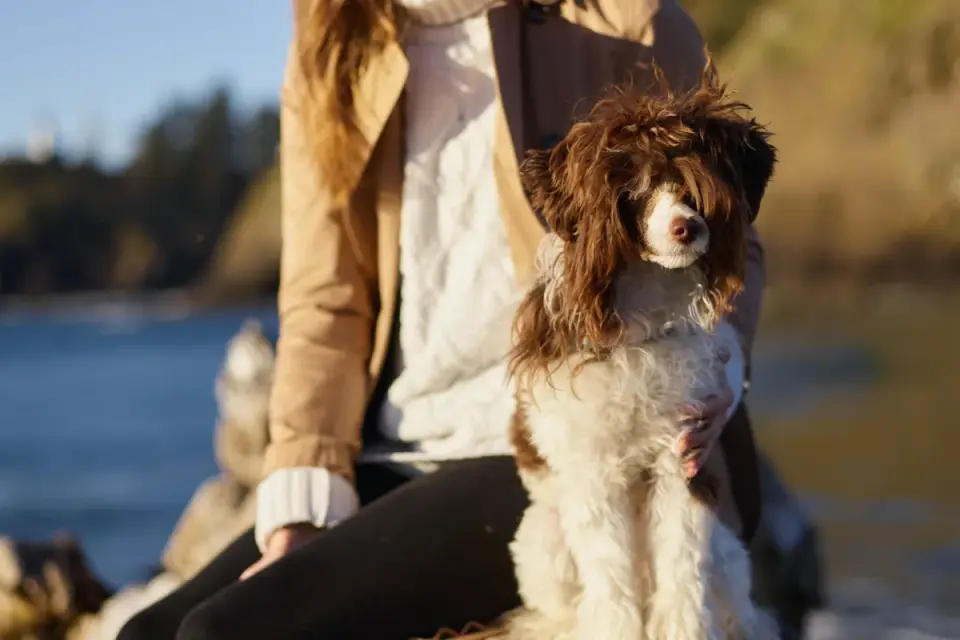
Pick stops for shade, space, and traction
Choose interstate rest areas, parks, or pet-friendly travel plazas with grass, shade, and room to move 20 to 30 feet from traffic. Map two backup options per leg. Highway exits close, lots fill, and construction reroutes traffic fast.
Avoid small, hot pavement islands. Test asphalt with your palm for seven seconds. If it burns you, it burns paws. Walk on grass, use a Biothane vs Nylon vs Leather Long Line: Which One Actually Holds Up? for safe sniffing space, and keep the walk low-key. This is decompression, not fetch.
The National Highway Traffic Safety Administration warns that a parked car can turn deadly fast, even with windows cracked. Never leave your dog to grab food.
Take turns for bathroom breaks or use drive-through options. Park in shade, leave the car running with climate control and a second person staying with your dog if you must pause briefly.
Adjust the interval for age, size, and heat
This is where one schedule does not fit every dog.
Puppies under 6 months may need stops every 1 to 2 hours for potty and may help support house-training momentum. Seniors often need more frequent, shorter walks for stiff joints and weaker bladder control. Large breeds like Cane Corsos also drink more and overheat faster, so plan extra water and shade. Size differences change the whole setup, as explained in Traveling With a Small Dog vs a Large Dog: The Real Differences.
Heat shortens everything. The American Kennel Club advises traveling with fresh water, offering frequent potty breaks, and avoiding hot pavement during dog road trips.
Vets often see restlessness, drooling, vomiting, or diarrhea after missed stops and rushed feeding. In practice, feeding a light meal 3 to 4 hours before driving and offering small water amounts often may help support settled stomachs better than a big meal at a rest plaza.
When would this every-2-to-3-hours plan be the wrong call? If your dog has motion sickness, anxiety, kidney disease, or takes timed medication, ask your veterinarian for an individualized interval, anti-nausea strategy, and feeding schedule. Do not push through vomiting or panic to stay on schedule.
Pack a stop kit up front: leash, long line, collapsible bowls, water from home, poop bags, treats, towel, and any medication list. Keep it preventive and boring. That is the point.
Your next step: map your route tonight, drop a pin every 100 miles, and label each with shade and grass.
Frequently asked questions
How often should I stop on a long drive with a dog?
Plan every 2 to 3 hours for water, potty, and a short sniff walk. Stop sooner for puppies, seniors, or in heat, and any time you see pacing, whining, drooling, or restlessness.
How long should each dog rest stop be?
Aim for 10 to 15 minutes with a potty break, water, and calm sniffing on leash. Keep activity low-key to support settled behavior back in the car.
Is it safe to leave my dog in the car at a rest stop?
No. Cars heat up fast and can cause heatstroke even with windows cracked. Take turns, use drive-through options, or bring your dog with you on leash where allowed.
Sources
- Traveling with Your Pet — American Veterinary Medical Association
- Heatstroke Deaths of Children in Vehicles — National Highway Traffic Safety Administration