On this page
- Step 1: Let the dog meet the tools first
- Step 2: Get the dog comfortable with mouth handling, separate from brushing
- Step 3: Introduce paste on a finger or gauze pad
- Step 4: Bring in the brush — briefly, and only on the outside surfaces
- Step 5: Build toward a daily habit, and read the dog’s signals
- What if brushing just isn’t happening yet?
- The short version
Every dental-care guide says the same thing: brush your dog’s teeth daily. Almost none of them tell you what to do when your dog clamps its jaw shut, backs into a corner, or turns brushing into a wrestling match. This is the part that actually determines whether a dental routine sticks — and it has almost nothing to do with the toothbrush itself.
Getting a dog used to teeth brushing is a desensitization process. You’re not teaching a skill so much as changing an emotional response, from “a hand is coming toward my face” to “nothing bad happens when this occurs, and sometimes something good does.” Rushed introductions are the single biggest reason brushing routines fail. Slow ones tend to stick.
Step 1: Let the dog meet the tools first
Before any brushing happens, put the toothbrush and dog-specific toothpaste somewhere the dog can investigate on its own terms. According to the American Veterinary Medical Association, owners should slowly introduce a pet to the brush and paste, leaving them out for about a week so the dog can examine, smell, and taste them, ideally pairing that exposure with treats to build a positive association. Never substitute human toothpaste — it’s often formulated with xylitol or fluoride levels that are unsafe for dogs.
A week sounds long when you’re eager to start a routine. It isn’t. A dog that’s already comfortable with the smell and taste of the paste skips most of the resistance later.
Step 2: Get the dog comfortable with mouth handling, separate from brushing
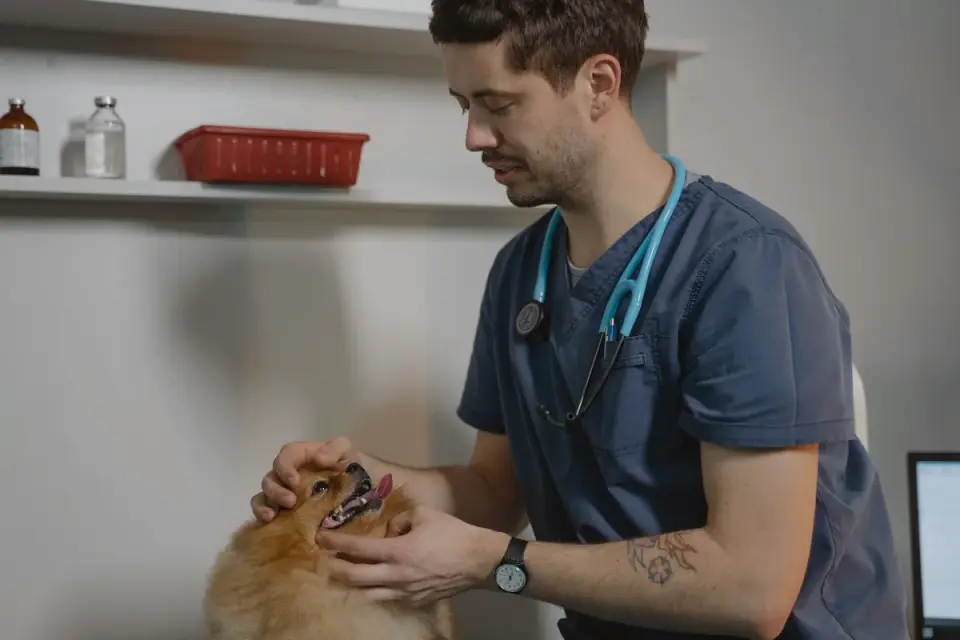
Before introducing a brush, practice touching the dog’s muzzle, lifting the lip, and gently rubbing a finger along the gumline — with no brush involved at all. Short sessions, high-value treats immediately after, and stop before the dog pulls away. This step matters even more for dogs that already flinch at face-touching, since it isolates the “hand near my mouth” trigger from the brushing task itself.
Step 3: Introduce paste on a finger or gauze pad
Once the dog tolerates mouth handling, apply a small amount of dog toothpaste to a finger or a piece of gauze and rub it along the outer surfaces of the teeth and gums, rewarding with praise and treats throughout. This mirrors the AVMA’s own sequencing: apply paste first, get the dog comfortable with the sensation and the process, and only then move to an actual brush. Dogs that dislike bristles often accept a fingertip or gauze indefinitely, and that’s a perfectly reasonable long-term substitute if the dog genuinely won’t accept a brush.
Step 4: Bring in the brush — briefly, and only on the outside surfaces
When the dog is relaxed about paste and finger contact, introduce a soft-bristled, dog-specific toothbrush or a finger brush. Focus only on the outer surfaces of the teeth, since that’s where most plaque and tartar accumulate along the gumline, and most dogs will never tolerate having their mouths held open for the inner surfaces — nor is it usually necessary. Keep the first few sessions to a handful of seconds per side. Add time gradually across sessions rather than trying to complete a full brushing on day one.
Step 5: Build toward a daily habit, and read the dog’s signals
Same time of day, same short pre-brushing ritual, same reward afterward — a predictable pattern is what actually gets a dog “used to” brushing, more than any particular brush or paste. The American Animal Hospital Association’s dental care guidelines note that brushing needs to happen daily to meaningfully reduce plaque buildup, and that even a strong home routine doesn’t eliminate the need for periodic professional cleanings and exams.
Watch for lip-licking, yawning, whale eye, or stiffening — those are signs to shorten the session, not push through it. A dog that associates brushing with mild stress every single day is not “getting used to it,” even if it eventually tolerates the physical act.
What if brushing just isn’t happening yet?
Some dogs take much longer than others, and that’s fine. In the meantime, dental chews carrying the Veterinary Oral Health Council seal have been reviewed against a clinical standard for plaque or tartar control and are a reasonable bridge — not a replacement for brushing, but a legitimate supporting habit while a brushing routine is still being built. If a dog resists all mouth handling, shows bad breath, red or bleeding gums, or visible tartar, that combination is worth a veterinary look before continuing at-home efforts, since it may point to dental disease that needs professional treatment first.
A gut and a calm nervous system both make training easier. If a dog’s resistance to handling seems tied to broader anxiety rather than the mouth specifically, our guide on signs your dog needs a calming supplement walks through what that can look like day to day. And since oral and digestive health both get lumped under “general wellness” in a lot of pet marketing, it’s worth being just as skeptical of dental claims as of gut-health ones — our breakdown of vet-checked probiotic picks applies the same standard: named ingredients, real evidence, no hype.
The short version
Don’t start with a brush in a dog’s mouth. Start with a brush near a dog’s nose, then paste on a finger, then a few seconds of actual brushing, building slowly over days or weeks. Reward generously, keep sessions short, and expect daily brushing to be the long-term goal rather than the starting point. Dogs that get there gradually tend to stay there — the ones rushed into it are usually the ones fighting the toothbrush a year later.
Frequently asked questions
How long does it take to get a dog used to teeth brushing?
Most dogs need one to three weeks of short daily sessions before they'll tolerate a full brushing. Anxious or older dogs, or dogs with an existing negative association with mouth handling, may need four to six weeks. The pace should be set by the dog's comfort level, not a calendar.
What if my dog absolutely will not accept a toothbrush?
Back up to a stage the dog tolerates — even just touching the lips — and rebuild from there with shorter, more frequent sessions. A finger brush or a gauze pad wrapped around a finger is a gentler entry point than a bristled brush. If a dog shows pain, bleeding gums, or won't allow any mouth handling at all, that's a reason for a veterinary exam before continuing, since it could point to existing dental disease.
Can dental chews replace brushing?
Chews with the Veterinary Oral Health Council seal can meaningfully reduce plaque and are a reasonable addition, but the American Veterinary Medical Association notes that daily brushing is still the single most effective thing an owner can do at home between professional cleanings.
Is human toothpaste okay to use?
No. Human toothpaste often contains xylitol or high fluoride levels that are unsafe for dogs. Use a toothpaste made specifically for dogs, which is formulated to be safely swallowed.
Sources
- Pet dental care — American Veterinary Medical Association
- 2019 AAHA Dental Care Guidelines for Dogs and Cats — American Animal Hospital Association
- Accepted Products — Veterinary Oral Health Council