How to Dry a Dog's Ears After Swimming (And Why Most Owners Skip the Step That Matters)
The fork isn't drying-versus-not-drying — every owner towels the outer ear — it's whether you're addressing the water sitting past the bend in the canal, which is where the infection actually starts.

On this page
A lab mix named Otis used to come in every August like clockwork. Nine years old, sixty-some pounds, lived for the creek behind his owner’s house in Ohio. By the third week of summer he’d be tilting his head at dinner, and by the fourth his owner would finally call — ear red, canal swollen, a smell you could pick up from across the exam room. Same dog, same creek, same pattern, three summers running, until we actually sat down and talked through what “drying his ears” meant to her. She’d been toweling the flap. That’s it. The part of the canal that actually held water was never touched.
That’s the decision fork most owners never resolve: they assume drying a dog’s ear means drying what they can see, when the geometry of a dog’s ear canal makes that only half the job.
Why a dog’s ear canal holds water differently than yours
A dog’s ear canal isn’t a straight shot to the eardrum the way a human’s mostly is — it runs vertically down, then takes a sharp horizontal turn before reaching the eardrum, an L-shape that traps water at the bend even after the visible opening looks dry. Add floppy ears that limit airflow, and you get a warm, humid pocket that’s ideal for the yeast and bacteria that already live in a healthy ear canal in low numbers. Left wet, that population overgrows, and chronic moisture breaks down the canal’s skin barrier, which is what actually opens the door to infection rather than the water itself. A UK primary-care study of predisposing factors for otitis externa found ear conformation and moisture exposure among the leading contributors, alongside breed-specific canal shape (Frequency and predisposing factors for canine otitis externa in the UK – a primary veterinary care epidemiological view: NCBI).
That’s a real distinction, and it’s the one most “dry your dog’s ears” advice glosses over. Wiping the flap manages appearance. Drying the canal manages risk.
The actual comparison: cotton, drops, and dryers
Owners usually land on one of three tools after a swim, and they’re not interchangeable.
Cotton balls or a soft cloth handle the outer ear well — the visible folds, the entrance to the canal, the fur around it. They do very little for water that’s already past the bend, and pushing a cotton swab deeper risks packing debris against the eardrum rather than removing it, which is why cotton-tipped applicators inside the canal are generally discouraged.
A vet-formulated drying solution, usually built on a mild acid or alcohol base, is designed to do the part cotton can’t: it flows into the canal, helps evaporate trapped moisture, and in many formulations nudges the pH toward something less hospitable to yeast overgrowth. Vetoquinol’s ear cleansing solution, for example, uses denatured alcohol specifically to help dry the external canal after baths and swimming, applied by squeezing solution into the ear and massaging the base before letting the dog shake it out (Vetoquinol USA: Vetoquinol). That’s the step Otis’s owner had never added.
A hair dryer on cool, held well back from the ear, is a reasonable finish for dogs who tolerate it, but it’s a supplement to a drying solution, not a substitute — moving air across the outer ear doesn’t reliably pull water out of a canal that turns a corner.
I land on the drops. Not because a towel is wrong — every dog should get toweled and given the chance to shake first — but because the towel only ever touches the part of the ear that wasn’t the problem to begin with.
Where the routine actually goes wrong
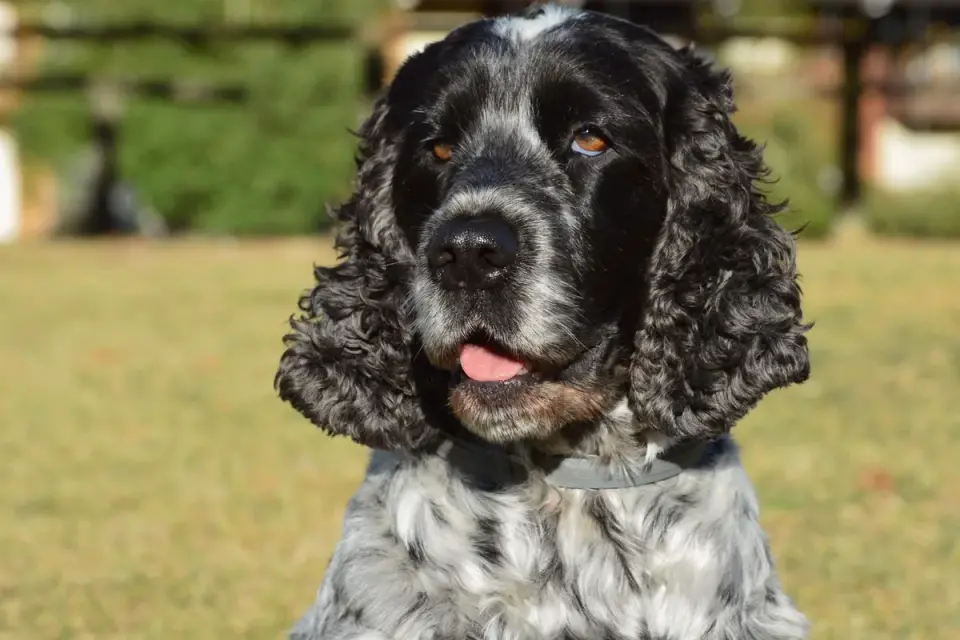
In my practice, the dogs who end up with recurring swimmer’s ear are almost never the ones who swim the most. They’re the ones whose owners stopped noticing the routine had lapsed. A Lab who swims twice a week all summer and gets ear drops every time rarely shows up with an infection. A spaniel who swims once and gets nothing rarely does either. It’s the middle group — moderate exposure, inconsistent follow-through — where I see the head shaking and the smell creep in. One dog I treated, a five-year-old cocker spaniel, had ears that looked fine to the owner right up until the week they weren’t; she told me she’d meant to pick up ear drops “since spring.” That gap between meaning to and doing it is where most of this condition actually lives, not in the water itself.
I’ll be honest about where the evidence is thin: there’s no large trial proving that post-swim drops reduce infection rates across dog breeds, and the retrospective data we do have is mixed on exactly how much moisture control alone changes outcomes, since ear conformation and existing allergy disease often matter more (Can We Minimize the Risk of Dogs Developing Canine Otitis Externa?—A Retrospective Study on 321 Dogs: NCBI). What we do have is consistent clinical reasoning — chronic maceration impairs the skin barrier of the canal, and that barrier breakdown precedes most bacterial and yeast overgrowth Merck’s veterinary manual describes in otitis externa (Merck Veterinary Manual) — plus a lot of dogs like Otis whose pattern breaks the summer someone actually adds the step.
Dogs where this matters more, and where it matters less
Not every dog needs the full routine every time. A short-haired dog with upright ears and no history of ear trouble who dips into a lake for ten minutes probably shakes most of the risk off on its own. Breed and ear carriage rank among the strongest risk factors identified in canine otitis externa studies, with drop-eared, heavily-furred breeds like Basset Hounds and Cocker Spaniels showing meaningfully higher odds than upright-eared dogs (NCBI). That’s the group I tell owners to be strict with: drops after every swim, no exceptions, especially through peak summer humidity.
A dog with allergies is its own case entirely — allergic skin disease keeps the canal inflamed at baseline, so water exposure on top of that is compounding a problem rather than causing a new one, and drying routines alone won’t fix a canal that’s already chronically irritated. That’s a conversation for your veterinarian, not a drugstore aisle.
VCA’s guidance on preventing swimmer’s ear also flags a related mistake I see constantly: owners who clean ears aggressively year-round assume that’s protective, when over-cleaning a healthy canal can itself disrupt the normal microbial balance and irritate the skin (VCA Animal Hospitals). Drying after swimming and routine cleaning are different jobs; treating them as the same task is part of how this goes wrong.
If a dog’s routine already includes regular ear checks, the same instinct that catches early redness also catches nail overgrowth and mat buildup before they become bigger jobs — which is really the same logic behind how often you should trim a dog’s nails or deciding between at-home grooming and a professional groomer for the parts of the routine that are harder to do solo.
Where I actually land
Otis’s owner added the drying solution that August, and the head-tilting stopped showing up the following summer. I won’t call that proof of anything beyond one dog — a single case is a case, not a study — but it lines up with the underlying mechanism well enough that I’ve recommended the same thing to a dozen creek-and-lake dogs since. Towel and shake first. Follow with a vet-formulated drying solution that reaches past the bend in the canal. Save the hair dryer, on cool, as a finishing step for dogs who tolerate it — not the whole plan. And if a dog is already prone to ear trouble, that routine isn’t optional maintenance, it’s the thing standing between a normal summer and a recurring infection.
If ears stay red, smell off, or a dog keeps shaking its head more than a day after swimming, that’s past the point where drying at home helps — that’s an exam.
Frequently asked questions
How soon after swimming should I dry my dog's ears?
As soon as you're home, or within an hour or two — the goal is limiting how long moisture sits in the canal, not hitting an exact deadline.
Can I use a human ear-drying product like Swimmer's Ear drops on my dog?
Stick to a product formulated for dogs; canine ear canal pH and skin differ from a human's, and a veterinarian can point you to a formulation matched to your dog's ear health.
My dog hates having their ears touched — what's the minimum effective routine?
A quick squeeze-and-massage with a vet-formulated drying solution takes under a minute and covers the part cotton and towels miss; that's the step to prioritize if a full routine isn't realistic.
Sources
- Frequency and predisposing factors for canine otitis externa in the UK – a primary veterinary care epidemiological view — NCBI
- Can We Minimize the Risk of Dogs Developing Canine Otitis Externa?—A Retrospective Study on 321 Dogs — NCBI
- Ear Infections and Otitis Externa in Dogs — Merck Veterinary Manual
- Prevent swimmer's ear — VCA Animal Hospitals
- Ear Cleansing Solution — Vetoquinol USA