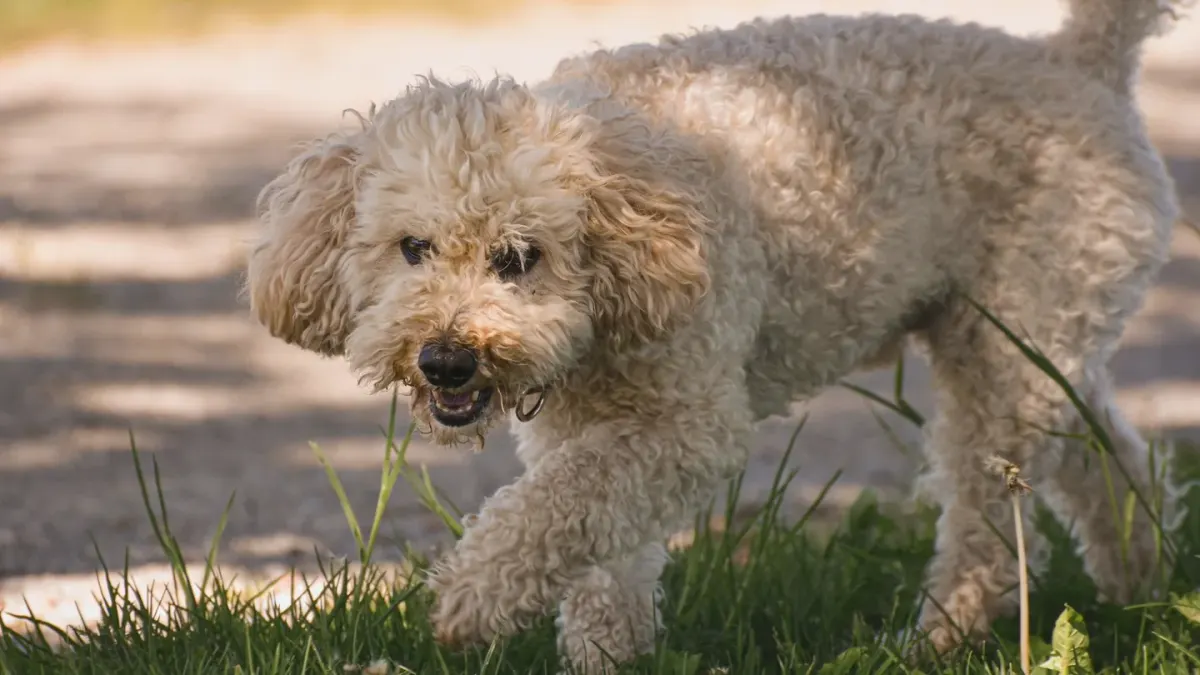
You saw the fluffy transformation video and thought, I want that dog. I get it. But here’s the fork you have to choose before you bring home a poodle or doodle: do you want hair that sheds on your couch, or hair that mats on the dog if you skip a week?
I counsel owners expectation first, because curly coats don’t shed much, they just keep growing and locking together. Baseline for most curly-coated dogs is brushing to the skin every day or every other day, a bath and full dry every 2-4 weeks, and a professional clip every 4-8 weeks. If that calendar sounds like a lot, believe that feeling. It’s honest.
She was 2 years old, a 48-pound Labradoodle, all bounce and teddy-bear curls when her family adopted her last spring. By three weeks in, the cute fluff behind her ears and in her armpits had felted into flat mats the size of quarters. The owners were brushing the tops of the curls nightly but never parting to skin, and the dog started flinching when her collar moved. We mapped a new plan in the room: line-brushing in sections, a steel comb check, and a groomer appointment booked before they left. That comb test changed everything for them.
The Viral Myth: Low-Shedding Means Low-Maintenance
Low-shedding is real. Low-maintenance is not. Curly hair sheds into itself instead of onto your floor, which is why allergic households notice less loose hair but groomers see more impaction.
The American Kennel Club describes the poodle coat as dense and curly and notes the breed needs regular clipping and grooming, not just occasional brushing. That matters because the poodle is the template for almost every curly doodle coat you’re seeing online.
What your week actually looks like
Plan on 10-15 minutes of line brushing most days. Lift a section with one hand, brush from skin outward with a slicker with the other, then run a steel comb through to confirm you reached skin. If the comb snags, you’re not done.
Bathing without a full blow-dry is where most people get into trouble. Air-dried curls tighten and mat faster. Low-stress handling helps here: short sessions, treats, dry on low heat while brushing straight.
I Tried the Hype Routine and It Failed
He was a 4-year-old, 22-pound Mini Poodle whose owner followed a viral routine to the letter: detangling spray, a soft bristle brush, bath every Sunday, no dryer because heat felt harsh. By day 10 after his last puppy-cut clip, his chest and hocks were rippled with tight mats and his skin underneath looked pink and damp. The soft brush had polished the surface while the undercoat felted solid, and each bath without forced-air drying just shrank the knots tighter. We had to do a short comfort clip to reset, which broke the owner’s heart. The lesson I keep repeating still holds: technique beats products, and airflow is part of grooming.
That tradeoff is the strongest counterargument to my high-maintenance warning. Plenty of owners say, I’ll just keep him shaved short and skip the brushing. You can. A short lamb clip or kennel clip may help support airflow and makes daily care easier.
But short doesn’t mean set-and-forget. Even a #5 blade cut needs re-clipping every 5-6 weeks, plus nail trims, ear checks, and brushing in friction zones. And some dogs hate the vibration and handling that frequent clipping requires.
The Edge Case Nobody Puts in the Caption
She was 9 years old, a 14-pound Toy Poodle mix with thinning curls, a heart murmur, and papillomas under her front legs. Her owner had kept a perfect schedule for years, then noticed by week six after her last groom that brushing made her yelp. Senior skin is thinner, mats pull harder, and lumps hide under curls where you can’t see them. We switched her to shorter, more frequent mini-sessions on a non-slip mat, a wider-toothed comb around growths, and a groomer who would do face-feet-sanitary touch-ups between full clips. Behavior was our baseline: if tail tucking or lip-licking spiked, we stopped.
General grooming guidance from VCA Hospitals emphasizes regular brushing, bathing, and coat inspection to prevent matting and skin problems, which tracks exactly with what I see in seniors.
My preventive calendar for curly coats
Keep it boring and you’ll avoid most shave-downs:
Daily to every other day
Line-brush and comb-check, especially ears, collar line, armpits, belly, and behind the tail.
Every 2-4 weeks
Bath with thorough rinse, full blow-dry straight while brushing, nail check.
Every 4-8 weeks
Professional trim, plus ear, eye-corner, and sanitary cleanup as needed.
If you’re comparing energy and lifestyle fit too, look at Best Calm Dog Breeds for a Relaxed Household and Border Collie vs Australian Shepherd: Which Herding Breed Fits Your Life?. Coat matters, but temperament decides your daily life. For a realistic puppy-year timeline, What to Expect in a Labrador Puppy’s First Year: A Vet-Reviewed Guide lays out how fast handling habits set.
Love the curls enough to keep the calendar? Then get the tools, book the groomer before you need one, and enjoy a dog that turns heads for good reasons.
Sources
- Poodle (Miniature) Dog Breed Information — American Kennel Club