Border Collie vs Australian Shepherd: Which Herding Breed Fits Your Life?
Both Border Collies and Australian Shepherds are brilliant, restless dogs—but one is laser-focused and the other is a people-loving workhorse, and that distinction matters more than you'd think.
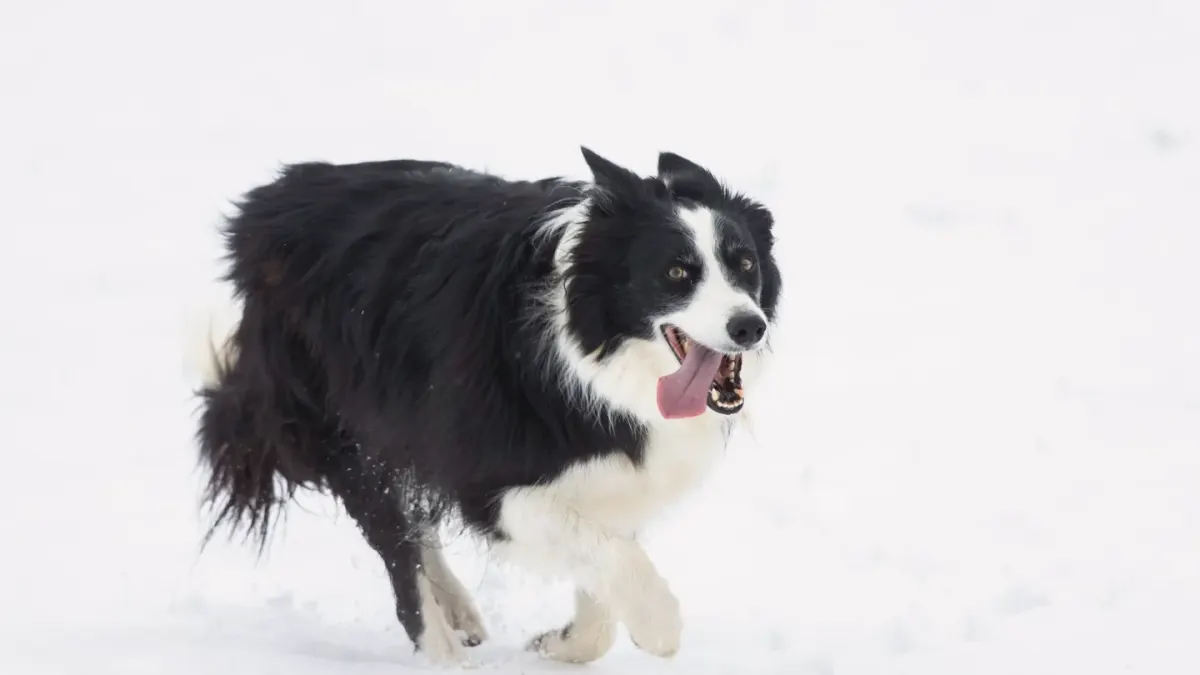
On this page
- The Core Question: Are You Looking for a Job Dog or a Velcro Dog?
- Energy: Two Different Flavors of Relentless
- Herding Style Reveals Temperament
- The Behavioral Cost of Getting It Wrong
- Health: Breed-Specific Predispositions
- Training: How Each Breed Learns
- Which Breed Asks the Right Questions About Your Life?
The Core Question: Are You Looking for a Job Dog or a Velcro Dog?
When owners first come into my practice trying to decide between these two breeds, I ask them the same thing: “What problem are you trying to solve?” That sounds blunt, but herding dogs—both of these—aren’t comfortable being decorative. They were built to move livestock with precision and intensity. Skip that job, and you’re asking for trouble.
Here’s the practical breakdown to guide your choice:
Quick comparison checklist:
- Energy level: Border Collies require constant mental and physical challenge; Australian Shepherds are high-energy but often more adaptable to rhythm
- Focus style: Border Collie = laser-intense, task-driven, aloof with strangers; Aussie = upbeat, people-oriented, loves company and involvement
- Herding instinct expression: Border Collie stalks and stares; Australian Shepherd drives and barks
- Training intensity: Both are brilliant, but Border Collies demand a clear job; Aussies excel in family trick work and agility
- Social nature: Australian Shepherd thrives with frequent human interaction; Border Collie bonds deeply with their handler but may be reserved
- Health watch-list: Both breeds carry genetic predispositions—Border Collie Collapse, hip dysplasia, MDR1 sensitivity, eye conditions
- Settling capability: Australian Shepherd may calm down after exercise; Border Collie rarely stops strategizing
Energy: Two Different Flavors of Relentless
I worked with a Border Collie named Scout whose owner, a weekend athlete, thought her morning trail runs would suffice. Scout had other plans. The dog would complete the run, then spend the afternoon spinning in circles, nipping at shadows, and compulsively licking her flank until it was raw. When her owner finally enrolled Scout in agility training, gave her herding trials three weekends a month, and added an evening obedience session, the obsessive behaviors stopped cold. Scout needed a job, not just exercise.
I’ve seen this pattern dozens of times. PetPlace: Border Collies are described by owners—and research—as having “relentless” energy. They’re restless because they were engineered by centuries of selective breeding to work livestock all day. A two-mile walk doesn’t touch it. Neither does backyard play. Border Collies need a structured role: agility, herding trials, dock diving, flyball, competitive obedience. Without it, they invent jobs—often destructive or obsessive ones.
Australian Shepherds have serious energy, too. Don’t mistake that distinction. Yet I’ve noticed Aussies settle more readily at day’s end once they’ve had a proper workout. They’re content to follow you from room to room afterward, thriving on human company and involvement. An Aussie in a family that hikes daily, plays fetch, does trick training, and includes the dog in household activity often reaches a calm baseline in the evening. A Border Collie in the same scenario might appear calm but is usually mentally strategizing the next challenge.
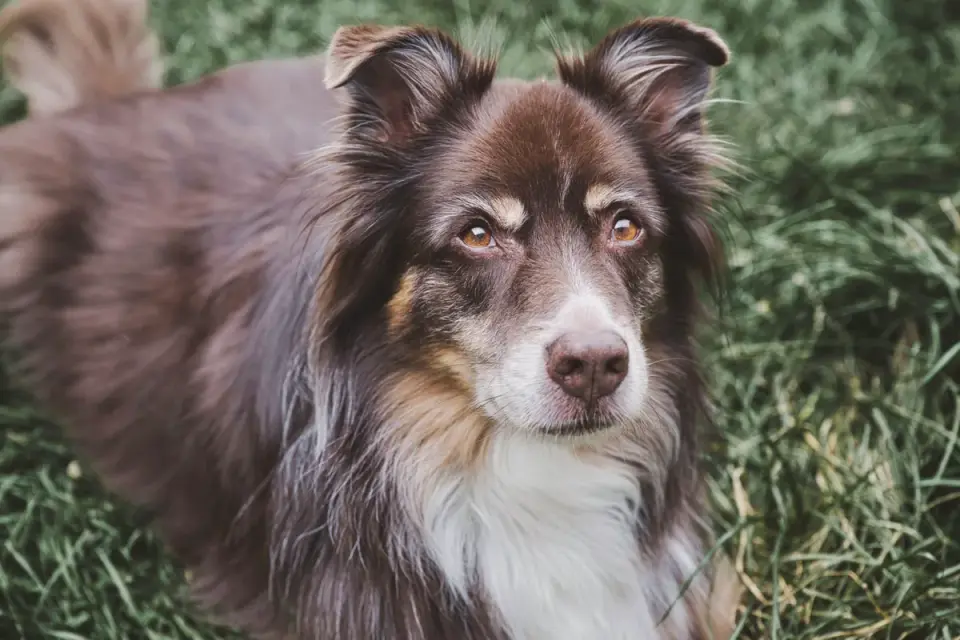
Herding Style Reveals Temperament
The way a dog herds livestock tells you nearly everything about its personality off the job. I learned this early in my career when a client brought me a six-month-old Border Collie and an eight-month-old Australian Shepherd, both from working lines, both already showing herding instinct on her farm. Within minutes of watching them work, I could predict their behavior at home.
The Border Collie crouched low, eyes locked onto a single sheep, stalking with intense focus and a few economical movements. She barely barked. The Australian Shepherd moved in a loose, upright posture, circling the flock more broadly, barking, driving them energetically. One was a sniper. One was a linebacker. Same job, completely different tools.
That temperamental difference is real and heritable. World Animal Foundation: Australian Shepherds use a driving and barking style, while Border Collies employ stalking and staring. The Border Collie’s “strong eye”—that intense, fixed stare—is a genetic trait selected over generations. It serves herding beautifully. But it also means Border Collies are prone to obsessive focus on moving things: kids on bikes, cats darting across the yard, even shadows. That intensity needs channeling, not suppression.
Australian Shepherds, by contrast, tend to be less laser-focused and more broadly engaged. They’re still driven to work, but they’re often happier doing it alongside you rather than independently problem-solving. This makes them, on average, better suited to family homes where the dog needs to be integrated into activity rather than given autonomous jobs.
The Behavioral Cost of Getting It Wrong
One of my toughest conversations was with the owners of a three-year-old Border Collie who came in for a behavioral consult. The dog had developed obsessive licking of her own legs, was spin-barking for hours, and had become destructive when left alone. Her owners were smart, educated, and had given her a large yard, regular walks, and plenty of toys. They’d simply assumed a Border Collie was like any smart dog—that smarts plus exercise plus space would make her content. It didn’t. The dog needed a structured job: not play, not walks, but real work with rules, challenges, and mastery. Once they found a herding program and committed to two training sessions weekly, plus monthly trials, the behavioral issues resolved completely within eight weeks. She wasn’t broken. She was bored in a way that only purposeful work could fix.
Health: Breed-Specific Predispositions
Both breeds carry health risks you should screen for before bringing a dog home. Responsible breeders will have health testing documentation.
AKC Canine Health Foundation: Border Collie Collapse (BCC) is a nervous system disorder that appears in Border Collies and related breeds, including Australian Shepherds. It causes episodes of disorientation and an unsteady gait within 5–15 minutes of intense exercise like agility or herding. It’s probably inherited, though the genetic mechanism is still being researched. If you’re planning to do high-intensity work with either breed, ask breeders about their BCC screening.
Border Collie Health & Education Foundation: Hip and elbow dysplasia occurs in both breeds, though the genetic predisposition isn’t fully understood. Reputable breeders screen for this through OFA or PennHIP.
Australian Shepherd Health & Genetics Institute: The MDR1 gene mutation affects sensitivity to certain medications, including ivermectin (used for heartworm prevention) and loperamide. Dogs with the mutation can’t clear these drugs efficiently, risking serious illness or death. Genetic testing is straightforward; ask breeders if their dogs have been tested.
Both breeds can develop eye problems: NIH: Australian Shepherds carry risk for collie eye anomaly (CEA), hereditary cataracts, and progressive rod-cone degeneration. Screening through CERF (Canine Eye Registration Foundation) is standard among responsible breeders.
Training: How Each Breed Learns
Both breeds rank in the top tier of canine intelligence. A Border Collie can master a new command in fewer than five repetitions. An Australian Shepherd is equally quick and perhaps more eager to please a broader range of people. But the way you succeed with each is different.
Border Collies are independent problem-solvers. They watch you work and start predicting your next move. This brilliance can become a liability if you’re inconsistent—they’ll learn to predict your slips and work around your rules. Training a Border Collie means being clear, consistent, and ready to stay ahead of their thinking. They thrive on structure and high expectations.
Australian Shepherds are more traditionally obedient. They genuinely want to cooperate with you, to be part of the team. This makes them easier to live with in a family setting, more forgiving of small training inconsistencies, and often more reliable in environments that aren’t purely task-based. They’ll work hard to please you, even if the work is “just” being a good family dog.
If you’re planning formal competition—agility, obedience, herding trials—either breed can excel. If you want a dog who’s reliable, socially adaptable, and content with a family lifestyle that includes exercise and engagement, the Australian Shepherd often wins on practicality.
Which Breed Asks the Right Questions About Your Life?
Here’s the honest version: if you want a dog to complement an active lifestyle—hiking, outdoor adventure, trick training—both breeds can work. But if you want a dog who’ll be happy doing it, ask yourself these questions:
Can you commit to a structured, ongoing job or training program at least three days a week? If yes, a Border Collie might be your dog. If the idea sounds like a chore, choose an Aussie.
Do you want a dog who’s happiest when working alongside you, or one who needs to solve problems somewhat independently? Border Collies prefer autonomy with a clear objective. Aussies want to be in the room with you.
Are you prepared for a dog who may be reserved or skeptical of strangers, even when socialized well? That’s the Border Collie’s nature. Aussies tend to greet the mail carrier like an old friend.
How to Groom a German Shepherd Through Coat Blow covers double-coat care; both these breeds shed heavily twice yearly and need serious grooming commitment. Can You Give a Dog Too Much Fiber? is worth reading if you’re thinking about gut health for active dogs.
Neither breed is wrong. They’re just answering different questions about what a dog should be. The question is which answer matches your life?
Sources
- Australian Shepherd vs Border Collie: Which Herding Dog Fits Your Lifestyle? — PetPlace
- Australian Shepherd Vs Border Collie: A Detailed Comparison — World Animal Foundation
- Genetics of Border Collie Collapse — AKC Canine Health Foundation
- Genetic Diseases — Border Collie Health & Education Foundation
- Aussies and Border Collie Collapse — Australian Shepherd Health & Genetics Institute
- The incidence of genetic disease alleles in Australian Shepherd dog breed in European countries — NIH