On this page
- Why a Travel Food Switch Hits the Gut So Fast
- The Western View: What’s Actually Happening in the Gut
- The TCVM View: Reading the Pattern Behind the Stool
- What Can Actually Help While You’re on the Road
- Probiotics, Fiber, and the Enzyme Question
- When Loose Stool After a Trip Needs a Vet, Not Just Patience
- The Bottom Line
Packing for a trip and packing a dog’s food are not the same errand, but a lot of owners treat them that way — grab whatever bag of kibble is at the pet store near the rental, or the travel-size pouch that fit in the suitcase, and figure the dog will adjust. Usually the dog does adjust. For a few days first, though, the stool often doesn’t.
Why a Travel Food Switch Hits the Gut So Fast
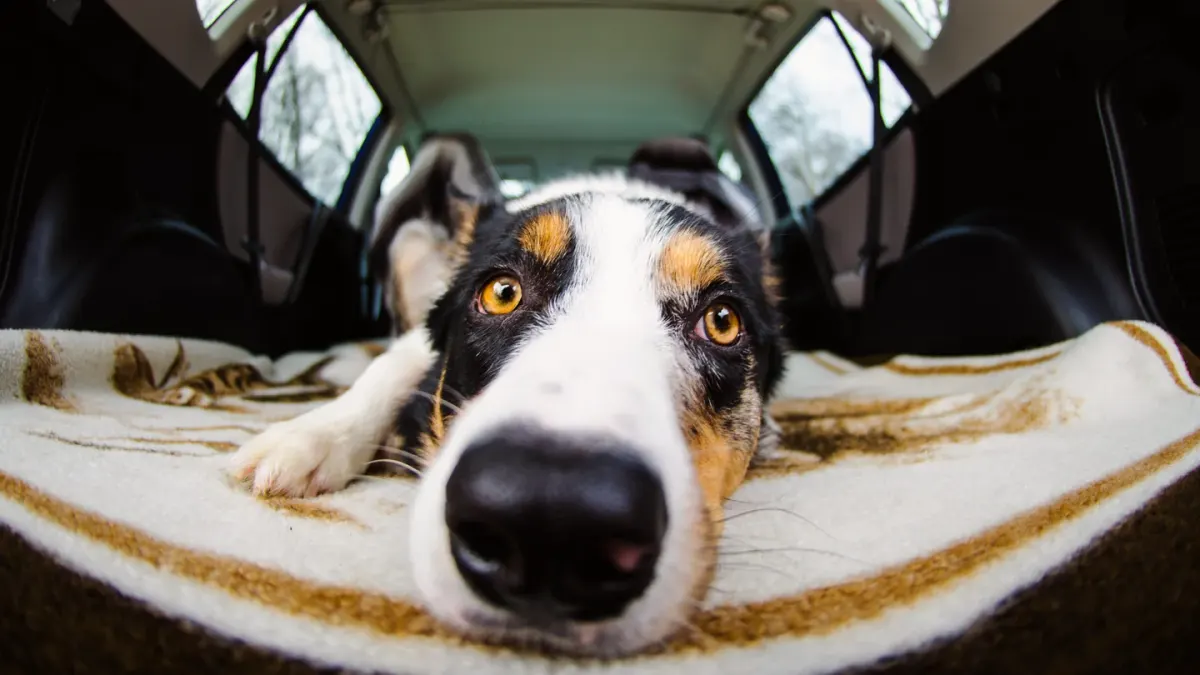
A dog’s digestive system runs on a fairly stable population of gut microbes that are calibrated to whatever it’s been eating regularly. Swap the protein source, the fiber blend, or even just the brand’s fat content overnight, and that population has to scramble to catch up. Add the stress of a car ride, a new water source, an odd sleep schedule, and unfamiliar smells, and you’ve stacked two separate gut disruptors on top of each other. That combination — new food plus travel stress — is why loose stool after switching foods for a trip shows up so much more reliably than a routine at-home food change ever does.
The Western View: What’s Actually Happening in the Gut
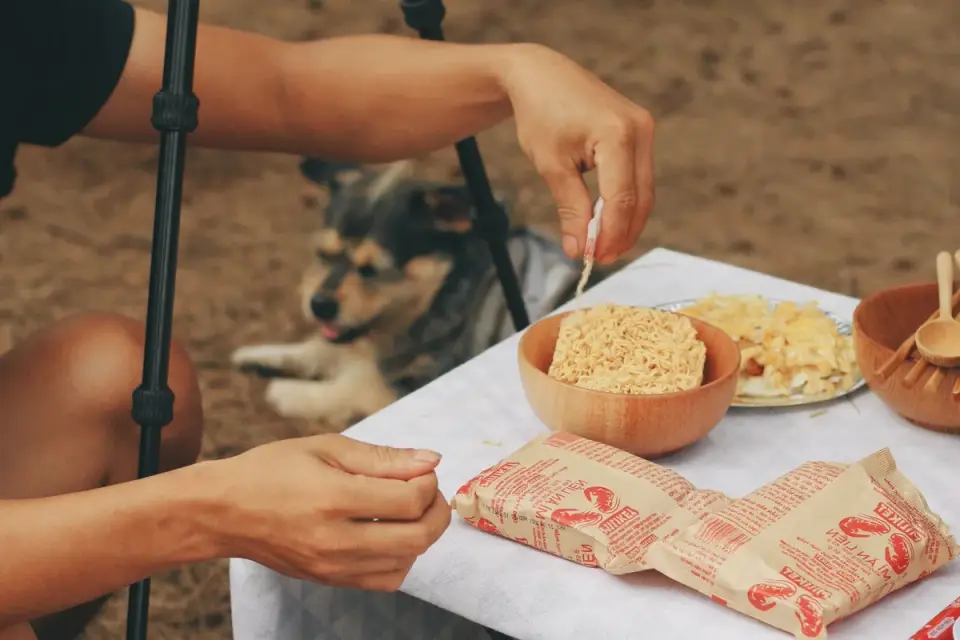
In plain structure/function terms, a fast diet change alters the substrate available to the colon’s resident bacteria before those bacteria have adapted their enzyme output to match. The result is incomplete fermentation, extra water pulled into the colon, and stool that comes out soft or unformed. In dogs with an underlying pancreatic issue, the mechanism runs deeper — Journal of the American Veterinary Medical Association notes that exocrine pancreatic insufficiency (EPI) “is treated by pancreatic enzyme replacement therapy, nutritional management (low-residue diets with moderate fat content), and supplementation of cobalamin,” which is a very different problem from an otherwise healthy dog’s short travel-transition upset. The same review is candid that the field still doesn’t fully understand why some dogs’ gut bacteria stay disrupted even after enzyme therapy starts, noting “future studies are needed to further understand the causes of persistent dysbiosis in animals with EPI following initiation of pancreatic enzyme replacement therapy.” That’s a reminder that gut recovery isn’t always a straight line, even with the right plan in place.
The TCVM View: Reading the Pattern Behind the Stool
A Traditional Chinese Veterinary Medicine lens looks at the same loose stool and asks a different first question — not just “what changed in the bowl” but “what pattern is the body showing.” Sudden loose stool tied to travel often reads as a Spleen Qi disruption aggravated by external stress: the Spleen governs transformation and transport of food essence, and a body already taxed by unfamiliar surroundings has less reserve to steady that process when the diet shifts too. Food therapy in this framework favors warming, easily digestible ingredients — plain cooked proteins, mildly warming grains like rice — over cold or greasy foods while the gut resettles, which lines up closely with the Western advice to keep meals simple and low-residue during a transition. Pairing that dietary steadying with calming touch, such as gentle abdominal Tui-na strokes along the belly, can support a dog who’s also just anxious from the trip itself; it’s one part of an integrative plan, not a stand-alone fix, and it doesn’t replace slowing the actual food transition down.
What Can Actually Help While You’re on the Road
The single biggest lever is speed of the switch, not the specific brand chosen. A gradual transition — 25% new food for two days, 50% for two more, 75% for two more, then fully switched — gives the gut microbiome time to shift its enzyme output instead of being ambushed by it. If you couldn’t plan that far ahead (a lost bag, a food recall, a last-minute trip), bringing even a small amount of the original food to blend in during the first days on the road is worth the suitcase space. Keep meals boring for the first 48-72 hours: consistent timing, plain preparation, no new treats layered in alongside the new food, since a second variable makes it much harder to tell what’s actually driving the stool change.
Our guide on firming up a puppy’s loose stool naturally covers age-specific transition timing in more depth if the traveling dog is young, and the fiber-dosing breakdown in can you give a dog too much fiber is worth a read before reaching for a big scoop of pumpkin as a fix.
Probiotics, Fiber, and the Enzyme Question
Probiotics are a reasonable support during a food transition, but the newest research is honest about their limits. A 2025 trial published in Frontiers in Veterinary Science found that “diversity metrics did not distinguish non-responders from responders” — meaning a more diverse gut microbiome at baseline didn’t reliably predict which dogs would respond to a probiotic. Translation: probiotics can help some dogs settle faster, but they’re not a guaranteed fix, and a dog who doesn’t respond isn’t doing anything wrong. Digestive enzymes matter far more for dogs with a diagnosed pancreatic shortfall than for a routine travel transition; for an otherwise healthy dog, the transition schedule itself does more work than any single supplement. If you’re weighing probiotic options generally, our roundup of the best probiotic for dogs walks through what strains and doses the label should actually show.
A short paragraph, and a true one: supplements support the plan, they don’t replace it.
When Loose Stool After a Trip Needs a Vet, Not Just Patience
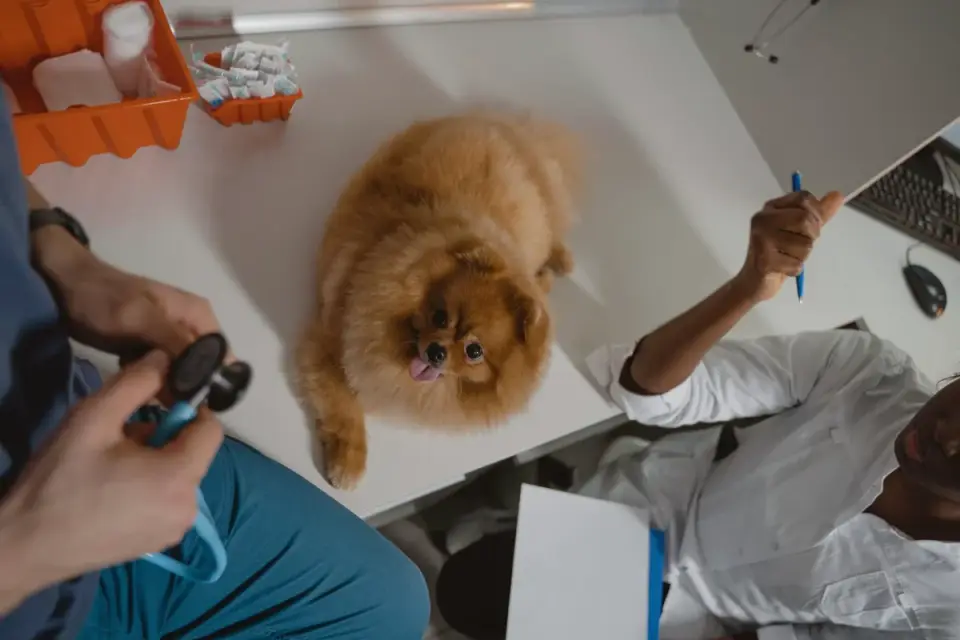
Most travel-transition stool firms up within a few days without intervention. Call a vet if you see blood or black, tarry stool; if the dog is lethargic, refusing water, or vomiting alongside the diarrhea; if stool hasn’t started firming by day four or five despite a slower reintroduction; or if a puppy, senior, or dog with a known health condition is affected, since dehydration risk climbs faster in those groups. None of that is meant to alarm — it’s meant to draw a clear line between “normal transition noise” and “this needs eyes on it.”
The Bottom Line
Loose stool after switching foods for a trip is usually the gut’s honest reaction to two stressors arriving at once — new diet, new environment — and slowing the food change down, keeping meals simple, and giving the microbiome a few days to catch up resolves it in the majority of dogs without anything fancier than patience and a measured bowl.
Frequently asked questions
How long does loose stool last after switching a dog's food for travel?
Most dogs firm back up within 2-4 days once the new food is fully in rotation, especially if the switch was gradual rather than abrupt.
Should I go back to the old food if my dog gets loose stool while traveling?
If you still have some of the original food, slowing down and re-introducing it as part of the mix is often gentler than pushing forward on the new food alone.
Can stress from traveling cause loose stool even without a food switch?
Yes — travel stress alone can loosen stool, which is exactly why an abrupt food change layered on top of a car ride or flight tends to hit harder than either would alone.
Sources
- Exocrine pancreatic insufficiency in dogs and cats — Journal of the American Veterinary Medical Association
- Probiotic response and gut microbiome diversity in dogs — Frontiers in Veterinary Science