On this page
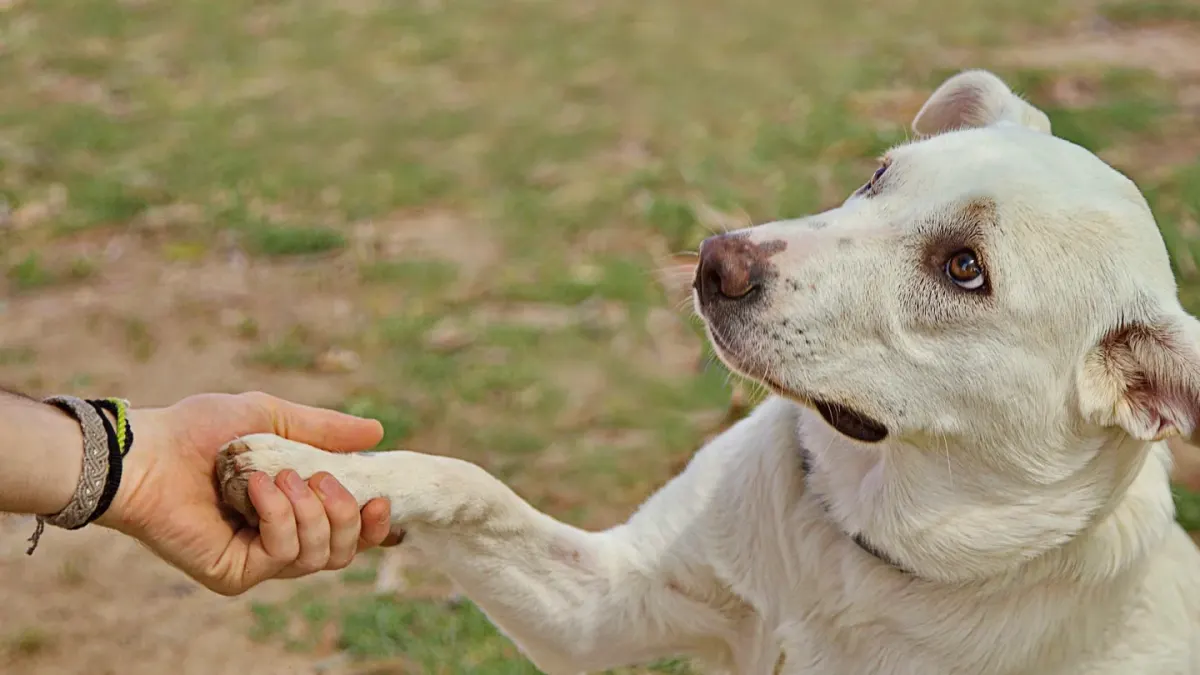
Here’s the fork most owners hit the second they try this trick: do you reach down and grab the paw, or do you wait the dog out and reward the lift? Grab the paw, and you’ll usually get a stiff, tolerated trick that only works when you initiate it. Wait for the lift, and you get a dog that offers the behavior on cue, tail loose, ears forward, because it was never forced into that position in the first place.
I’ve watched this play out dozens of times in my own exam room. A twenty-two-pound cattle dog mix named Otis came in for his annual, and his owner mentioned she’d spent two weeks trying to teach him high five by lifting his paw herself every time he sat. He’d learned to tolerate it, but he’d also started pulling his paw away the moment her hand got close, even outside training sessions. We spent maybe four minutes in the exam room switching to a shaping approach — rewarding any weight shift onto his back legs, then any paw lift, no hand contact at all — and by the end of the visit he was tapping her palm without being touched first. The difference wasn’t magic. It was removing the one thing (the grab) that had made his paw feel unsafe to move.
The method that actually works starts with capturing a natural behavior, not creating one. Most dogs already lift a paw when they’re a little frustrated or anticipating a treat — it’s often called “pawing” and it happens on its own if you watch for it. Here’s the sequence:
Step 1: Mark the paw lift before you ask for it
Hold a treat in a closed fist near your dog’s nose, high enough that they can’t just lick or nudge it open. Most dogs will paw at your hand within the first few seconds. The instant a paw lifts even an inch off the ground, mark it — a clicker or a verbal “yes” — and deliver the treat. Do this ten to fifteen times in a single short session. You’re not asking for a full high five yet; you’re building the idea that lifting a paw makes good things happen.
Step 2: Add height, then add contact
Once the paw lift is reliable, start holding your hand slightly higher and a little to the side, so the dog has to lift the paw further to make contact. Mark and reward only when the paw actually touches your palm. This is the step where most owners get impatient and start pulling the paw up manually — that’s the shortcut to avoid. Manual placement is not part of the American Veterinary Society of Animal Behavior: AVSAB reward-based approach, which recommends reinforcing behavior the animal offers rather than physically moving the animal into position, and for good reason: dogs learn faster and retain longer when they generate the movement themselves.
Step 3: Attach the cue word last
Only once your dog is reliably lifting a paw to your open hand should you start saying “high five” — say it a half-second before you present your palm, not after the dog has already started moving. Adding the word too early just teaches the dog to ignore it, since it isn’t predicting anything yet.
This is where the viral version of this trick usually loses me. The trend gets one thing right — it’s genuinely a fast, low-stakes trick to teach, and that accessibility is why it spreads — but it gets the mechanism backwards. Most of the clips showing instant results are demonstrating dogs that already knew “shake” or “paw,” which is a related but different behavior built on a different criteria (touching a hand near the ground versus lifting up and out). If your dog already knows how to shake, you can usually shortcut high five by simply raising your target hand and re-marking, but skipping straight to that step with a dog who has no foundation is what produces the stiff, hand-shy version of the trick.
A well-run group class will usually cover shaping basics like this in the first few sessions, because the paw lift is a low-stakes, low-risk way to teach mechanics that transfer to harder behaviors — a loose-leash heel or a reliable recall both lean on the same “the dog offers, you reinforce” pattern. If your dog is struggling specifically with the paw lift and nothing else, that’s usually a mechanics problem, not a stubbornness problem — check your treat timing and hand height before assuming the dog “doesn’t get it.”
One thing I tell every client who’s frustrated three sessions in: age and confidence matter more than breed here. A shy or noise-sensitive dog may take two or three times as many short sessions to offer the paw lift freely, especially if any part of their history included having their feet handled unpleasantly — nail trims are a common culprit. I saw this clearly with a twelve-year-old dachshund whose owner had been working on high five for almost three weeks with no progress; once we found out his nails had been trimmed too short at a previous groomer and he’d become head-shy about anything near his feet, we backed all the way up to just rewarding calm foot presentation with no lift required, and rebuilt from there. Two weeks later, he was offering the trick reliably. The paw lift was never the actual problem.
The American Kennel Club builds its own Trick Dog program around this same layered logic — early tricks use more prompting, and handlers are expected to fade that support as the dog progresses, rather than relying on it permanently. That’s the right instinct even for owners with no interest in formal titling: whatever gets a dog started should not be the same thing you’re still leaning on a month later.
The verdict
Skip the grab. Shape the lift, mark early, add the cue last, and expect three to seven short sessions for most healthy adult dogs — longer for a dog with any history of foot sensitivity. If your dog stalls out, the fix is almost never more repetition of the same failing rep; it’s usually a criteria that’s too big a jump, or a hand position that’s inadvertently cueing something else, like shake. The trick itself is trivial. What it teaches your dog about offering behavior instead of being placed into it is not — and that’s the part worth actually doing right.
So is it worth the two minutes a day this actually takes? If your dog already offers a paw lift on their own, or you’re not attached to that stiff, TikTok-perfect version of the trick — what’s stopping you from starting tonight?
For related context, read How to Teach a Dog to Shake: The Method That Actually Sticks.
For related context, read How to Teach Your Dog to Come When Called.
Frequently asked questions
How long does it take to teach a dog to high five?
Most healthy adult dogs learn a reliable high five in three to seven short training sessions, though dogs with any history of foot sensitivity or handling stress often need longer.
Should I physically lift my dog's paw to teach high five?
No — shaping the behavior by rewarding the dog's own paw lifts builds a more reliable, willingly offered trick than manually placing the paw, which can create hand-shyness over time.
My dog already knows how to shake — is high five different?
Yes. Shake rewards a paw touching near the ground; high five rewards lifting the paw up and out to meet a raised hand. Dogs that already know shake can often learn high five faster by raising the target hand gradually.
Sources
- What are Reward-Based Training Methods for Dogs (and Cats)? — American Veterinary Society of Animal Behavior
- AKC Trick Dog — American Kennel Club