Canned Pumpkin vs. Pumpkin Powder for Dog Diarrhea: Which One Actually Belongs in Your Cart
Canned pumpkin and pumpkin powder aren't rivals — they solve different problems, and picking wrong just means more laundry.

On this page
A Boxer named Otis showed up in my exam room on a Tuesday afternoon because his owner had scrolled past three pumpkin-powder ads in a row and finally caved. Otis was seven, sixty pounds, otherwise healthy, and had been having loose, unformed stools for about four days after a diet switch. His owner had a can of pumpkin in the pantry from Thanksgiving and a fresh tub of pumpkin powder in her cart — and she wanted to know, standing in my exam room, which one she should actually use. That’s the question that’s driving half the “pumpkin for dogs” content on the internet right now, and most of it never answers it directly.
So which one is it — the can or the tub?
Here’s the short version, and then I’ll defend it: for a dog like Otis with mild, short-term loose stool, canned pumpkin is the more forgiving starting point, but pumpkin powder is the more efficient tool once you understand what you’re actually dosing. The reason isn’t marketing. It’s water content.
Canned pumpkin is roughly 90% water by weight, according to the Institute for Environmental Research and Education, which means a tablespoon of puree delivers a fairly small, diluted dose of fiber. Pumpkin powder is dehydrated, so the same fiber is concentrated into a fraction of the volume — that’s the entire case for it, and it’s a legitimate one. But concentrated also means it’s easier to overdose by accident if you’re eyeballing a scoop the way you’d eyeball a spoonful of canned puree. That tradeoff — convenience and shelf life against a narrower margin for error — is the actual decision, not “which one is trendier this week.”
What the fiber is supposed to do in the first place
Both products lean on the same mechanism: soluble fiber that absorbs water and forms a gel in the gut, slowing transit and firming loose stool, alongside insoluble fiber that adds bulk and supports motility in the other direction when a dog is constipated instead. One cup of pumpkin contains roughly 7 grams of dietary fiber, per Whole Dog Journal — a number worth knowing because it’s the same fiber whether it arrives wet or dry. Fermentation of that fiber by gut bacteria also produces short-chain fatty acids that help lower colonic pH and support water and sodium absorption in the large intestine, which is part of why pumpkin has a real, if modest, physiological argument behind it rather than just folklore.
I want to be direct about the limits here, because I’d rather a dog get seen than get another day of pumpkin. Pumpkin — canned or powdered — is a supportive measure for mild, self-limited soft stool. It is not treatment for parasites, dietary indiscretion that’s caused pancreatitis, an infectious process, or diarrhea that’s lasted more than two or three days, has blood in it, or comes with lethargy or vomiting. In my experience, the dogs pumpkin actually helps are the ones like Otis: otherwise well, mildly loose, with an obvious trigger like a food change or a stress event. When I don’t have that story — when the diarrhea is unexplained or the dog seems off — pumpkin becomes a distraction from a workup that needs to happen instead.
Dosing: where the two actually diverge
The American Kennel Club recommends one to four tablespoons of 100% pure canned pumpkin per meal, scaled to the dog’s size, started small and increased if tolerated — and pumpkin should stay under roughly 10% of daily intake. That’s a wide, forgiving range, which is a real point in canned pumpkin’s favor for a first-time user who doesn’t want to do math during a diarrhea flare.
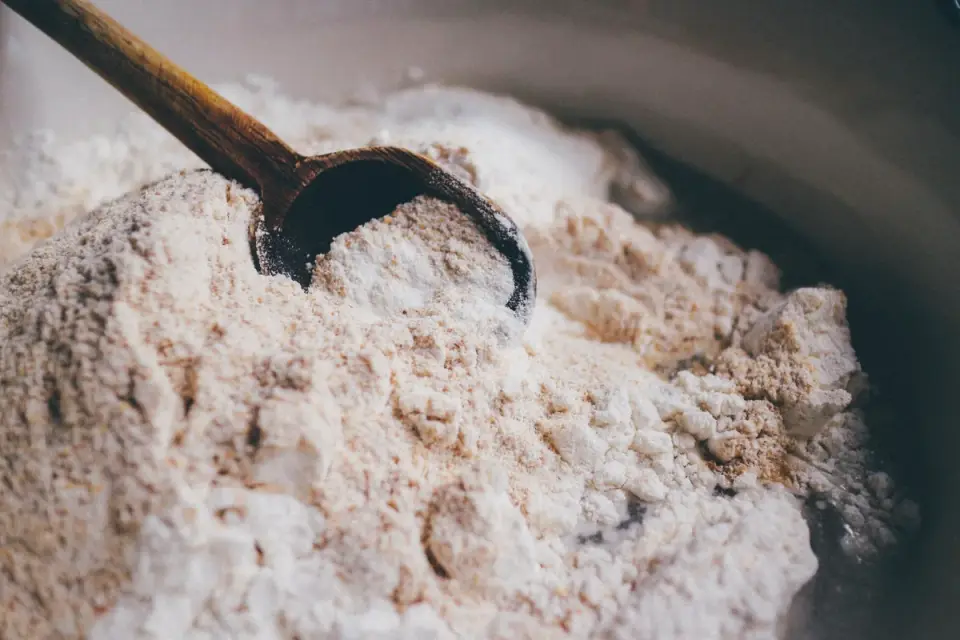
Powder dosing is typically described by scoop relative to body weight — commonly around one scoop per 25 pounds — mixed into food or made into a paste with a small amount of water. The concentration is the whole point, but it also means the room for error shrinks. Too much of either form can flip the benefit and cause gas, bloating, or looser stool than you started with, so “more is better” is the wrong instinct with both products. Always confirm dosing against the specific product’s label, since concentration varies by brand.
A dog whose case changed how I counsel this
I worked with an eleven-year-old Cavalier King Charles Spaniel, about eighteen pounds, whose owner had been free-feeding canned pumpkin at nearly double the recommended amount for almost two weeks because “a little seemed to help, so more should help more.” The dog’s stool had gone from loose to intermittently watery, with visible gas and a noticeably distended abdomen after meals — the opposite of what pumpkin is supposed to do. We backed the dose down to about a teaspoon per meal, cut the frequency, and the stool normalized within four days. The lesson I give owners now is blunt: pumpkin has a dose-response curve like anything else, and past a certain point you’re not adding more benefit, you’re adding more fermentable fiber than that dog’s gut can handle at once. That’s a single case, not a study, but it’s the pattern I’ve now seen enough times to build my counseling around it.
Where this fits next to other GI go-tos
Pumpkin isn’t the only fiber tool people reach for on social media this month, and it’s not always the right one. If a dog’s real trigger is motion-related nausea rather than diarrhea, the more relevant comparison is something like Ginger vs. Chamomile for Dog Car Sickness, which addresses a different mechanism entirely. And if loose stool keeps recurring rather than resolving in a few days, the more useful next step usually isn’t more pumpkin — it’s asking whether a probiotic or a veterinary workup is overdue. Owners raising puppies through the GI ups and downs of a new home may also find a potty-training schedule useful context for distinguishing a training-related accident from an actual digestive issue.
The bottom line
For a dog with mild, short-duration loose stool and no other red flags, canned pumpkin is the more forgiving place to start — the dosing margin is wide, and most owners already know how much a tablespoon looks like. Pumpkin powder earns its place once you want a smaller, shelf-stable, more concentrated dose, or you’re already comfortable measuring scoops precisely. Neither one is a treatment for anything beyond mild, self-limited stool changes, and neither replaces a veterinary visit when diarrhea persists, worsens, or comes with other symptoms. I’d rather see a dog like Otis a week early for “is this pumpkin working” than a week late for something pumpkin was never going to fix — and that’s the standard I’d want any of my patients held to going forward.
Frequently asked questions
Can I mix canned pumpkin and pumpkin powder together?
There's no need to combine them — pick one, dose it according to that product's guidance, and avoid stacking fiber sources, which raises the risk of gas and bloating rather than faster improvement.
How fast should pumpkin work for diarrhea?
Mild cases often improve within a few days; if there's no change in two to three days, or symptoms worsen, that's a sign to stop and call your veterinarian rather than increase the dose.
Sources
- Does canned pumpkin help dogs with diarrhea? — Institute for Environmental Research and Education
- Pumpkin for Dogs — Whole Dog Journal
- Can Pumpkin Help With Dog Diarrhea? — American Kennel Club