Can Dogs Eat Tomatoes Safely? The Ripe-vs-Green Rule Vets Actually Use
Medically reviewed by Roger Clemmons, DVM, PhD, DACVIM (Neurology and Neurosurgery), CVA, CVFT — For general education — not a substitute for veterinary care.
Yes, dogs can eat tomatoes safely, but only the ripe, red fruit — never green tomatoes or the plant itself.

On this page
A neighbor of mine grows heirloom tomatoes in raised beds, and her beagle treats the garden like a self-serve buffet every August. Last summer the dog got into a cluster of tomatoes that hadn’t turned yet, still hard and green on the vine, and she called me half-convinced she’d need to drive to the emergency clinic. That phone call is the decision fork this whole topic hinges on: a dog eating a ripe, red tomato off the counter is a non-event. A dog eating a green one, or a mouthful of the leafy vine itself, is a different question with a different answer, and conflating the two is where most of the online panic and the online reassurance both go wrong.
The Countertop Test: Ripe or Not
Here’s the rule I actually give clients, and it isn’t complicated: color first, plant material second. A tomato that has fully turned red is low risk in small amounts. A tomato that’s still green, or any stem, leaf, or vine your dog managed to reach, is the part that deserves real caution. That’s not folk wisdom — it tracks a specific, named compound.
What’s Actually in a Green Tomato
Tomato plants, and unripe fruit, contain tomatine and its relative solanine, concentrated in the stems, leaves, and green fruit. ASPCA notes that unripe fruit or plant material can cause vomiting and diarrhea, and that tomatine levels fall as the fruit ripens — which is precisely why a red, table-ready tomato is treated so differently from the plant it grew on. AKC chief veterinary officer Jerry Klein makes the same point from the clinical side: ripe fruit in moderation is fine, dogs generally don’t love the taste anyway, and they don’t need it in the diet. Larger ingestions of green material have been linked to gastrointestinal signs, weakness, and in more significant cases, changes in heart rate — the kind of finding that, as a neurologist, pulls my attention toward the whole patient rather than just the stomach, because weakness and altered mentation can originate from more than one system at once. That’s the same instinct that sends me toward both an imaging study and an acupuncture needle in a harder neuro case: look at the mechanism, not just the symptom on the surface.
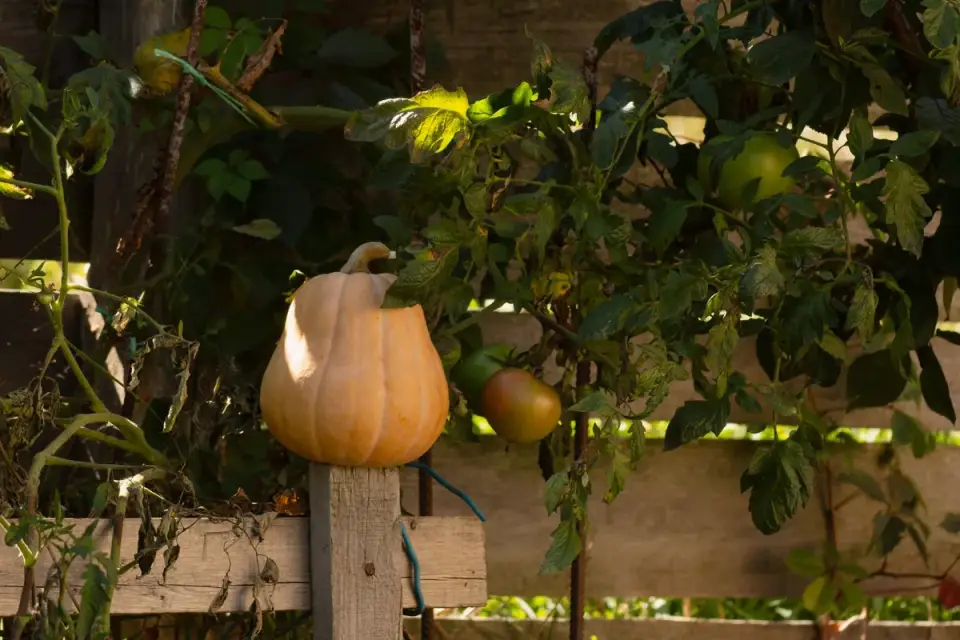
That garden-access pattern is the more common real-world version of this story anyway. I think about a different dog than the beagle above, a lab mix left to patrol a backyard vegetable bed while her owner worked a double shift, snacking steadily on whatever hung low on the vine. Nobody witnessed the exact quantity, which is usually the actual problem: it’s rarely a single dramatic bite, it’s an afternoon of unsupervised grazing across a mix of ripe and unripe fruit plus a fair amount of stem. That owner’s dilemma wasn’t really about tomatoes. It was about whether an unmonitored yard with an edible garden is a reasonable setup for a food-motivated dog, and for a lot of households, the honest answer is that fencing off the bed solves more than any amount of tomato-specific caution ever will.
The Portion Question Nobody Answers on TikTok
Even with ripe fruit, moderation is doing real work in that sentence. A few small, plain pieces as an occasional extra is a sensible ceiling. Tomato isn’t a nutritional gap-filler the way sweet potato sometimes gets treated as one, and pushing volume past a bite or two mostly just risks the loose stool that comes with any new produce, ripe or not. If you’re already leaning on fiber-forward treats or toppers, it’s worth reading how much is too much before you stack tomato on top of an already fiber-heavy bowl, because too much fiber has its own failure mode independent of tomatine entirely.
When a Little Tummy Upset Turns Into Something Else
Most garden raids resolve into a day of soft stool and not much else. Where I get more anchored is repeated or significant green-material ingestion, or any hint of weakness, tremor, or a dog that seems slower than usual afterward — those are call-your-vet signs, not wait-and-see signs. On the gut-recovery side, owners often reach for a probiotic once digestion is unsettled, and it’s worth knowing the evidence there is mixed rather than clean: research published in Frontiers in Veterinary Science found that diversity metrics did not distinguish non-responders from responders, meaning a probiotic that measurably shifts a dog’s gut population doesn’t automatically predict which dogs will actually feel better. If you’re shopping that category, our team vetted the current field in our guide to the best probiotic for dogs.
My Verdict
Ripe tomato, in small amounts, isn’t the ingredient worth losing sleep over. The plant is. If your dog has garden access, the fix isn’t avoiding tomatoes at the dinner table — it’s a fence, a raised bed out of reach, or supervision during the weeks the fruit is still green and most tempting to a nose at ground level. That’s the boring, unglamorous answer, and it’s still the right one.
Frequently asked questions
Can dogs eat tomato sauce or ketchup?
Skip it. Sauces concentrate salt, sugar, garlic, or onion far beyond what's in a raw tomato, and those additions carry their own risks independent of the tomatine question.
My dog ate a green tomato off the vine. Is that an emergency?
One small green tomato is unlikely to cause more than a stomach ache in most dogs, but the American Kennel Club notes ripe fruit is the only part meant to be fed on purpose, so call your veterinarian or the ASPCA Animal Poison Control Center if you saw a larger amount go down or you're seeing vomiting, weakness, or tremors.
How much ripe tomato is actually safe?
A few small, plain, seeded-out pieces as an occasional extra are the sensible ceiling for most dogs. It isn't a food they need, so there's no upside to pushing past a bite or two.
Are cherry tomatoes different from regular tomatoes for dogs?
Not meaningfully, once they're fully red and ripe. The size makes them a choking consideration for small dogs more than a toxicity one, so cut them in half.
Sources
- Toxic and Non-Toxic Plants: Tomato Plant — ASPCA
- Tomatoes for Dogs: What's Safe and What's Not — AKC
- Diversity metrics did not distinguish non-responders from responders — Frontiers in Veterinary Science